
Bosnia language flag

Chronology → Video Oral History

The Siege of Sarajevo 1992–1996

This Interactive FAMA Project integrates the documented chronology of the Siege of Sarajevo with first-hand testimonies within a single interface.

The material can be explored month by month by selecting any point between March 1992 and March 1996. For each chosen month, the user can review the corresponding textual chronology alongside video oral history interviews from the same period. By aligning the chronology of events with personal experiences, the platform enables a more layered, contextual exploration of how the siege unfolded over time.

The Siege of Sarajevo: Chronology 1992-1996

Compiled shortly after the war, this comprehensive chronology of the Sarajevo siege covers the period from March 1992 to March 1996. Structured by month and year, it draws on articles from the "Oslobođenje" newspaper, UN archives, reports from foreign correspondents, and citizen testimonies to document key social, political, military, cultural, and personal events of that time. By recording major developments and everyday survival, the chronology remains a vital reference for understanding how the siege unfolded and transformed every aspect of city life.

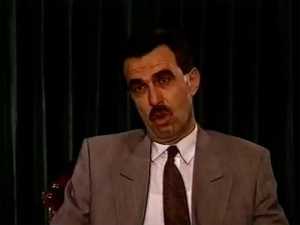
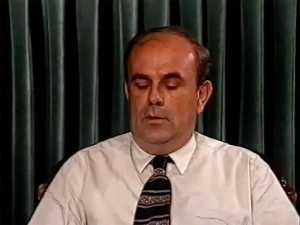
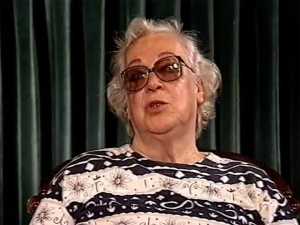
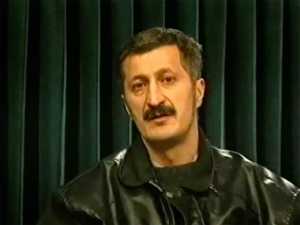
Oral History: The Siege of Sarajevo 1992-1996, video

Structured chronologically and thematically, this is the first and largest video oral history of the Sarajevo siege in the world, featuring nearly 1,000 interviews with over 450 citizens from diverse backgrounds. Produced soon after the war, it presents personal testimonies covering all aspects of life in the besieged city. This 30-hour collection serves as both an educational resource and a historical record, offering future generations an unparalleled insight into first-hand accounts of the longest urban siege in modern history.

Chronology → Video Oral History

The Siege of Sarajevo 1992–1996

This Interactive FAMA Project integrates the documented chronology of the Siege of Sarajevo with first-hand testimonies within a single interface.

The material can be explored month by month by selecting any point between March 1992 and March 1996. For each chosen month, the user can review the corresponding textual chronology alongside video oral history interviews from the same period. By aligning the chronology of events with personal experiences, the platform enables a more layered, contextual exploration of how the siege unfolded over time.

The Siege of Sarajevo: Chronology 1992-1996

Compiled shortly after the war, this comprehensive chronology of the Sarajevo siege covers the period from March 1992 to March 1996. Structured by month and year, it draws on articles from the “Oslobođenje” newspaper, UN archives, reports from foreign correspondents, and citizen testimonies to document key social, political, military, cultural, and personal events of that time. By recording major developments and everyday survival, the chronology remains a vital reference for understanding how the siege unfolded and transformed every aspect of city life.

Oral History: The Siege of Sarajevo 1992-1996, video

Structured chronologically and thematically, this is the first and largest video oral history of the Sarajevo siege in the world, featuring nearly 1,000 interviews with over 450 citizens from diverse backgrounds. Produced soon after the war, it presents personal testimonies covering all aspects of life in the besieged city. This 30-hour collection serves as both an educational resource and a historical record, offering future generations an unparalleled insight into first-hand accounts of the longest urban siege in modern history.

Chronology

  • Peace negotiations in Geneva: negotiations on maps and percentages of territory. The BiH delegation requests: access to the sea, to the Sava and to a harbor.
  • Yasushi Akashi appointed Special Envoy of the UN Secretary General for the former Yugoslavia.
  • UNICEF helps establish a radio-school. Classes are held over this medium.
  • Rounds of humanitarian aid to the citizens of Sarajevo include: a liter of cooking oil, 300 grams of beans, 200 grams of sugar, 400 grams of mackarel, 200 grams of detergent, and 2 candles per household.
  • “Opresa” opens a small store in the city with the slogan “Life is about the small things”.
  • The Soros Foundation donates a piano to the organization “Nasa djeca”.
  • Mate Boban, President of “Herzeg-Bosnia”, promises to close camps holding Muslims.
  • Founding of counseling for psychological help: “Staying Sane in Bosnia”.
  • The theft of electricity in the city goes on in different ways: setting up of illegal connections, underground cables, connecting to prioritized sources and transformers.
  • The Soros Foundation finances the production of 10 tons of rat poison. The active toxin is “Sanofarm”, but because the poison is not registered by law it cannot be distributed.
  • “Oslobodjenje” receives the “Sakharov” award. Zlatko Dizdarevic, journalist and editor, receives the award at the European Parliament.
  • The fairytale “A Dragon in Love” is shown in one of the apartment blocks in Alipasino polje.
  • The bobsled team trains for the Olympic Games in Lillehammer, but do not know how to leave Sarajevo. They train every day, lift weights and run, depending on the shelling. On average they lose 5 kg of weight. The team must borrow a bobsled because theirs is burnt.
  • The Russians reveal their own peace plan. Foreign Minister Vitali Churkin travels extensively in major European cities.
  • Croatian President, Franjo Tudjman, and Serbian President, Slobodan Milosevic, present a plan on the division of BiH. 33.33% would go to the Muslims and 17.5% to the Croats. Lord Owen must convey this plan to the President of the Presidency of BiH, Alija Izetbegovic.
  • The Sarajevo Tobacco Factory wraps cigarettes in book pages. “Toward the History of BiH Literature” is next in line”.
  • In Sarajevo Cathedral a ceremonial Christmas concert is held.
  • On the occasion of Catholic Christmas, the Pope sends a message: “Let light shine on upon the suffering peoples.”
  • The city lacks electricity, water and salt for bread.
  • The Festival “Sarajevo Winter” organizes screening of cartoons for children.
  • A kitchen opened for people working in the public and culture sectors. UNPROFOR gives them food.

Video Oral History

Nurdžihana Đozić
TO REMAIN NORMAL IN BOSNIA!
FC-VOH-99-637 | Video
Amir Beganović
UNREGISTERED POISON
FC-VOH-99-641 | Video
Zlatko Dizdarević
SAHAROV AWARD FOR OSLOBOĐENJE
FC-VOH-99-642 | Video
Dino Mustafić
FILM MAKERS’ PLATOON
FC-VOH-99-645 | Video
Danis Tanović
FILM MAKERS’ PLATOON
FC-VOH-99-646 | Video
Senad Mehemdbašić
DOCTORATE UNDER SIEGE
FC-VOH-99-656 | Video
Aida Kalender
RADIO “ZID” STARTS RADIO SCHOOL
FC-VOH-99-632 | Video
Ziba Hadžihalilović
ADVICE FOR SURVIVAL
FC-VOH-99-633 | Video
Faruk Ugljanin
LIFE IS MADE UP OF LITTLE THINGS!
FC-VOH-99-634 | Video
Gertruda Munitić
CONCERT FOLLOWED BY SHELLING
FC-VOH-99-636 | Video
Muhamed Ferizović
PHENOMENON OF WAR RADIO
FC-VOH-99-639 | Video
Mirsad Brajlović
SECRET CABLES THROUGH UNDERGROUND CHANNELS
FC-VOH-99-640 | Video
Janez Tadić
THE DRAGON IN LOVE IN ALIPAŠINO POLJE
FC-VOH-99-643 | Video
Zdravko Stojnić
BOBSLEIGH ON FIRE
FC-VOH-99-644 | Video
Šefik Zubčević
CIGARETTE PACKS MADE OUT OF SCHOOL BOOKS
FC-VOH-99-648 | Video
Kemal Mešak
FC-VOH-99-650 | Video
Hajrudin Smajić
CONVOY FOR SPLIT LEAVES
FC-VOH-99-651 | Video
Ines Fančović
PUBLIC KITCHENS FOR CULTURAL WORKERS OPEN
FC-VOH-99-654 | Video
Šefik Lojo
CIGARETTE PACKS MADE OUT OF SCHOOL BOOKS
FC-VOH-99-647 | Video
Aida Kalender
PHENOMENON OF WAR RADIO
FC-VOH-99-638 | Video
Merdžana Iglica
CHRISTMAS IN KINDERGARTEN
FC-VOH-99-649 | Video
Faiza Kapetanović
SARAJEVANS WRITE DIARIES
FC-VOH-99-655 | Video
Nusret Pašić
ADVICE FOR SURVIVAL
FC-VOH-99-657 | Video