
Bosnia language flag

Chronology → Video Oral History

The Siege of Sarajevo 1992–1996

This Interactive FAMA Project integrates the documented chronology of the Siege of Sarajevo with first-hand testimonies within a single interface.

The material can be explored month by month by selecting any point between March 1992 and March 1996. For each chosen month, the user can review the corresponding textual chronology alongside video oral history interviews from the same period. By aligning the chronology of events with personal experiences, the platform enables a more layered, contextual exploration of how the siege unfolded over time.

The Siege of Sarajevo: Chronology 1992-1996

Compiled shortly after the war, this comprehensive chronology of the Sarajevo siege covers the period from March 1992 to March 1996. Structured by month and year, it draws on articles from the "Oslobođenje" newspaper, UN archives, reports from foreign correspondents, and citizen testimonies to document key social, political, military, cultural, and personal events of that time. By recording major developments and everyday survival, the chronology remains a vital reference for understanding how the siege unfolded and transformed every aspect of city life.

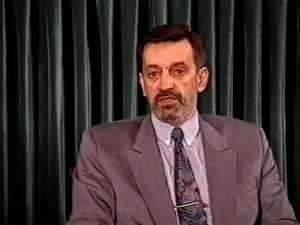
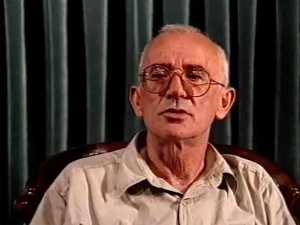
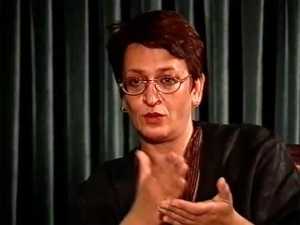
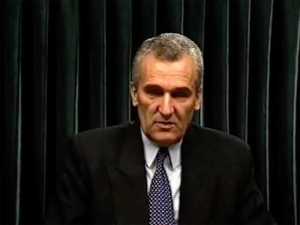
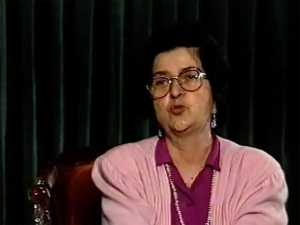
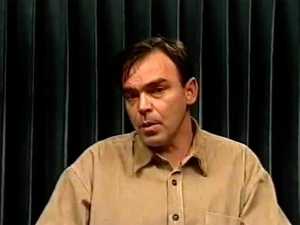
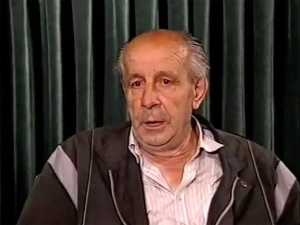
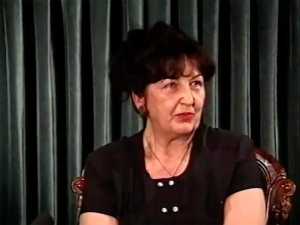
Oral History: The Siege of Sarajevo 1992-1996, video

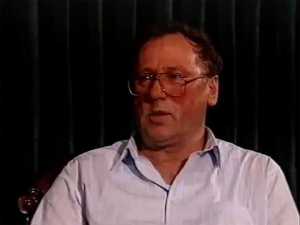
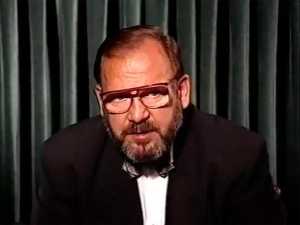
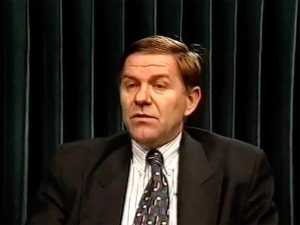
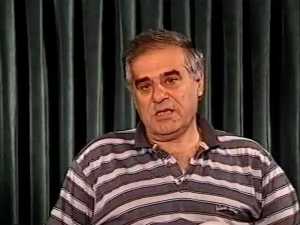
Structured chronologically and thematically, this is the first and largest video oral history of the Sarajevo siege in the world, featuring nearly 1,000 interviews with over 450 citizens from diverse backgrounds. Produced soon after the war, it presents personal testimonies covering all aspects of life in the besieged city. This 30-hour collection serves as both an educational resource and a historical record, offering future generations an unparalleled insight into first-hand accounts of the longest urban siege in modern history.
Chronology → Video Oral History

The Siege of Sarajevo 1992–1996

This Interactive FAMA Project integrates the documented chronology of the Siege of Sarajevo with first-hand testimonies within a single interface.

The material can be explored month by month by selecting any point between March 1992 and March 1996. For each chosen month, the user can review the corresponding textual chronology alongside video oral history interviews from the same period. By aligning the chronology of events with personal experiences, the platform enables a more layered, contextual exploration of how the siege unfolded over time.

The Siege of Sarajevo: Chronology 1992-1996

Compiled shortly after the war, this comprehensive chronology of the Sarajevo siege covers the period from March 1992 to March 1996. Structured by month and year, it draws on articles from the “Oslobođenje” newspaper, UN archives, reports from foreign correspondents, and citizen testimonies to document key social, political, military, cultural, and personal events of that time. By recording major developments and everyday survival, the chronology remains a vital reference for understanding how the siege unfolded and transformed every aspect of city life.

Oral History: The Siege of Sarajevo 1992-1996, video

Structured chronologically and thematically, this is the first and largest video oral history of the Sarajevo siege in the world, featuring nearly 1,000 interviews with over 450 citizens from diverse backgrounds. Produced soon after the war, it presents personal testimonies covering all aspects of life in the besieged city. This 30-hour collection serves as both an educational resource and a historical record, offering future generations an unparalleled insight into first-hand accounts of the longest urban siege in modern history.

Chronology

  • In order to protect against sniper fire, Sarajevan drivers drive through the city’s streets at great speed.
  • Yeast arrives to “Velepekara” for the production of bread.
  • Herzeg-Bosnia is proclaimed within the territory of BiH.
  • The resale of humanitarian aid begins in different places in the city at high prices.
  • A number of countries offer to participate in the air bridge for the delivery of humanitarian aid to the besieged city.
  • At a meeting of the Presidency of BiH the decision is made to replace the Public Prosecutor because of his attempts to ban the nationalist parties SDA and HDZ over six common infractions .
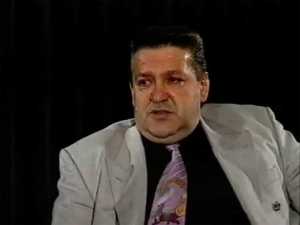
  • Munich, July 7, 1992. Summit in Munich: The seven most-developed countries in the world adopt a special resolution on the Yugoslav crisis that places pressure on Belgrade. The seven countries supporting the EC conference on the former Yugoslavia call on all sides to continue negotiations, while at the same time demanding that all sides not impede humanitarian efforts. The resolution also states that “in the event that peace negotiations fail, the Security Council will consider other measures, among which the use of military force will not be excluded. It is also emphasized that Serbia and Croatia must respect the territorial integrity of BiH.
  • The new member of the Presidency of BiH from the Serb people, Nenad Kecmanovic, flees Sarajevo.
  • Student Josip Capelj gives 200,000 dinars of his savings to the Armed Forces of BiH: “I want them to liberate me.”
  • Juka Prazina, city guerilla leader joins the Armed Forces of BiH with his own unit.
  • Cellist Vedran Smajlovic plays on the street in the center of the city.
  • The Representative of the Jewish Community in Sarajevo, Ivica Ceresnjes, says that the Jewish cemetery and chapel can be destroyed in the interest of defending the city. The Jewish cemetery is among the most dangerous strongholds of Serb snipers firing upon the citiziens of Sarajevo. Serb terrorists aim at buses, trams and passersby.
  • In the neighborhood of Dobrinja, which is being attacked on two sides, a teacher, “Aunt Faiza,” soothes children with games, classes, costume parties and dances.
  • Collectors try to collect TV subscription fees.
  • Cellist Vedran Smajlovic sends an invitation to musicians across the world to protest against the agression against Sarajevo and BiH by playing Albioni on July 17 at 12pm.
  • London, July 16, 1992. A peace conference begins in London. Lord Peter Carrington presides over the peace conference. Participants at the conference include: Haris Silajdzic, Radovan Karadzic and Mate Boban.
  • Developer Mirko Mer makes a protective mask against poison gases.
  • Cellist Vedran Smajlovic plays for Douglas Hurd, Foreign Minister of the United Kingdom on Vase Miskina street.
  • London, July 18, 1992. A ceasefire agreement is signed in London. All sides sign a ceasefire agreement placing heavy artillery under the control of the international community. They also sign a document guaranteeing the right of refugees to return to their homes and securing the free movement to all civilians.
  • The new President of the Yugoslav Government, Milan Panic, arrives in Sarajevo.
  • Pharmacies in Sarajevo receive humanitarian aid in the form of enormous quantities of medicines with expired dates, as well as inadequate or irrelevant medicines, such as anti-malarial agents.
  • Louis Mackenzie, UNPROFOR Commander, resigns under pressure from the media for misconduct and bias.
  • A convoy of mothers and children, through the organization Children’s Embassy, leaves for Italy.
  • Pension payments depend on electricity.
  • 27 Olympians leave Sarajevo for Barcelona.
  • Armed Forces of BiH attack the chocolate factory “Zora” with the aim of disarming guerilla units of the HVO.
  • The city no longer has water. Serb terrorists hold control over all reservoirs.
  • At Stup human trafficking and black marketing arises through cooperation between HVO units and Bosnian Serb forces.
  • Bernard Kouchner becomes the patron of a former JNA hospital, bestowing it with the name the “French Hospital.”
  • Painters exhibit their paintings in the stairwells of apartment blocks.
  • Haris Silajdzic, Foreign Minister of BiH, refuses the Cutilliero plan, which in March the BiH delegation had given its approval in principle.
  • Athlete Mirsada Buric trains for the World Cup in the streets of Sarajevo amid sniper fire.
  • Juka Prazina, with his own unit, creates a border at Stup and halts trafficking on the way between Stup and the city.

Video Oral History

Fahrudin Pilavdžić
WATER AND POLITICS
FC-VOH-99-198 | Video
Omer Stambolić
TRADING OF GOODS AND PEOPLE IN STUP
FC-VOH-99-200 | Video
Emina Lihovac
VESELA SVESKA; INSIDE SHELTERS
FC-VOH-99-202 | Video
Bakir Nakaš
COUCHNER SUPPORTS THE STATE HOSPITAL
FC-VOH-99-203 | Video
Nidžara Aljović
ESCAPE FROM GRBAVICA
FC-VOH-99-166 | Video
Husein Kamber
BREAD AGAINST HUNGER
FC-VOH-99-167 | Video
Stjepan Kljujić
HERZEG-BOSNIA IS PROCLAIMED
FC-VOH-99-168 | Video
Ivo Komšić
HERZEG-BOSNIA IS PROCLAIMED
FC-VOH-99-169 | Video
Emil Jurić
SUFFERING OF THE ANIMALS IN THE ZOO
FC-VOH-99-172 | Video
Mehmed Husić
CAPTIVITY AND EXCHANGE
FC-VOH-99-173 | Video
Bajro Čomor
TRENCHES AND CONCRETE NESTS
FC-VOH-99-175 | Video
Sefer Halilović
JUKA PRAZINA’S TRANSFER TO THE BH ARMY
FC-VOH-99-176 | Video
Dženana Buturović
NATIONAL MUSEUM ON THE FRONT LINE
FC-VOH-99-178 | Video
Zlatan-Fazla Fazlić
IF YOU ASK ME WHERE I AM NOW
FC-VOH-99-180 | Video
Aleksandra Majhrovski
DIFFERENT CURRENCIES IN MEDIEVAL BOSNIA
FC-VOH-99-182 | Video
Taib Tvico
DIFFERENT TYPES OF CURRENCY IN THE CITY
FC-VOH-99-183 | Video
Tarik Mašović
AERODROMSKO NASELJE
FC-VOH-99-185 | Video
Ibrahim Jusufranić
SHOOTING ON THE TRAM
FC-VOH-99-186 | Video
Faiza Kapetanović
MASQUERADE BALL PROVIDES MOMENTARY DISTRACTION
FC-VOH-99-187 | Video
Josip Pehar
BILL COLLECTORS COLLECT TV TAXES
FC-VOH-99-188 | Video
Ante Jerković
STUP THE FRONT LINE
FC-VOH-99-191 | Video
Redžad Čatić
DRUGS FOR MALARIA ARRIVE
FC-VOH-99-192 | Video
Munir Alibabić
GENERAL MACKENZIE’S RESIGNATION
FC-VOH-99-193 | Video
Amil Tafro
ZORA CHOCOLATE FACTORY LOOTED
FC-VOH-99-195 | Video
Sefer Halilović
BH ARMY ATTACK THE “ZORA” CHOCOLATE FACTORY
FC-VOH-99-196 | Video
Faruk Smailbegović
DAMAGE ESTIMATES FOR FACTORIES
FC-VOH-99-201 | Video
Miroslav Bilać
PAINTINGS EXHIBITED IN THE LOBBY
FC-VOH-99-204 | Video
Muhamed Kreševljaković
BOSNIAN OLYMPIC TEAM IN BARCELONA
FC-VOH-99-205 | Video
Ismet Čengić
JUKA ESTABLISHES A BORDER IN STUP
FC-VOH-99-207 | Video
Kemal Mešak
THERE MUST BE BREAD!
FC-VOH-99-165 | Video
Fikret Mujezinović
HUMANITARIAN AID DISTRIBUTION PROCESS
FC-VOH-99-171 | Video
Amor Mašović
EXCHANGE OF PRISONERS
FC-VOH-99-174 | Video
Vedran Hadžović
LILIANUM BOSNIACUM ON THE FLAG OF BH
FC-VOH-99-179 | Video
Aleksandra Majhrovski
DIFFERENT CURRENCIES IN MEDIEVAL BOSNIA
FC-VOH-99-184 | Video
Enver Taslaman
BILL COLLECTORS COLLECT TV TAXES
FC-VOH-99-189 | Video
Gordana Šerić
AMERICAN C-RATIONS IN THE HANDS OF A HOUSEWIFE
FC-VOH-99-190 | Video
Sejo Zečo
PENSIONS DEPENDENT ON ELECTRICITY
FC-VOH-99-194 | Video
Adnan Solaković
JUKA PRAZINA’S TRANSFER TO THE BH ARMY
FC-VOH-99-177 | Video
Amira Sadiković
UNHCR CONVOYS BEING STOPPED
FC-VOH-99-199 | Video
Senada Kreso
AT THE OLYMPICS IN BARCELONA
FC-VOH-99-206 | Video
Adnan Solaković
JUKA ESTABLISHES A BORDER IN STUP
FC-VOH-99-208 | Video
Suljo Babić
SERB DEMOCRATIC PARTY BANNED FROM ACTIVITY
FC-VOH-99-170 | Video