
Bosnia language flag

Chronology → Video Oral History

The Siege of Sarajevo 1992–1996

This Interactive FAMA Project integrates the documented chronology of the Siege of Sarajevo with first-hand testimonies within a single interface.

The material can be explored month by month by selecting any point between March 1992 and March 1996. For each chosen month, the user can review the corresponding textual chronology alongside video oral history interviews from the same period. By aligning the chronology of events with personal experiences, the platform enables a more layered, contextual exploration of how the siege unfolded over time.

The Siege of Sarajevo: Chronology 1992-1996

Compiled shortly after the war, this comprehensive chronology of the Sarajevo siege covers the period from March 1992 to March 1996. Structured by month and year, it draws on articles from the "Oslobođenje" newspaper, UN archives, reports from foreign correspondents, and citizen testimonies to document key social, political, military, cultural, and personal events of that time. By recording major developments and everyday survival, the chronology remains a vital reference for understanding how the siege unfolded and transformed every aspect of city life.

Oral History: The Siege of Sarajevo 1992-1996, video

Structured chronologically and thematically, this is the first and largest video oral history of the Sarajevo siege in the world, featuring nearly 1,000 interviews with over 450 citizens from diverse backgrounds. Produced soon after the war, it presents personal testimonies covering all aspects of life in the besieged city. This 30-hour collection serves as both an educational resource and a historical record, offering future generations an unparalleled insight into first-hand accounts of the longest urban siege in modern history.

Chronology → Video Oral History

The Siege of Sarajevo 1992–1996

This Interactive FAMA Project integrates the documented chronology of the Siege of Sarajevo with first-hand testimonies within a single interface.

The material can be explored month by month by selecting any point between March 1992 and March 1996. For each chosen month, the user can review the corresponding textual chronology alongside video oral history interviews from the same period. By aligning the chronology of events with personal experiences, the platform enables a more layered, contextual exploration of how the siege unfolded over time.

The Siege of Sarajevo: Chronology 1992-1996

Compiled shortly after the war, this comprehensive chronology of the Sarajevo siege covers the period from March 1992 to March 1996. Structured by month and year, it draws on articles from the “Oslobođenje” newspaper, UN archives, reports from foreign correspondents, and citizen testimonies to document key social, political, military, cultural, and personal events of that time. By recording major developments and everyday survival, the chronology remains a vital reference for understanding how the siege unfolded and transformed every aspect of city life.

Oral History: The Siege of Sarajevo 1992-1996, video

Structured chronologically and thematically, this is the first and largest video oral history of the Sarajevo siege in the world, featuring nearly 1,000 interviews with over 450 citizens from diverse backgrounds. Produced soon after the war, it presents personal testimonies covering all aspects of life in the besieged city. This 30-hour collection serves as both an educational resource and a historical record, offering future generations an unparalleled insight into first-hand accounts of the longest urban siege in modern history.
Chronology

  • The first international wedding is announced in Sarajevo. The wedding cake is made from potatoes. The groom, Stephen Peterson, a UN employee, says: “I have a wife, Zorica, we’re renting a house in Sarajevo, we have a garden, our own plums, we even have a dog.”
  • Athens, May 1, 1993. A two-day conference on BiH begins in Athens. The co-chairs of the peace conference are Cyrus Vance and Lord David Owen. Present at the meeting are: Alija Izetbegovic, Franjo Tudjman, Slobodan Milosevic, Momir Bulatovic, Mate Boban and Radovan Karadzic. Haris Silajdzic, the Foreign Minister of BiH, announces: “The Serbs are buying time by coming to Athens.” Before Athens, General Morillon shows Alija Izetbegovic corrections to the map agreed upon in Geneva. Izetbegovic refuses to discuss the corrections. In Athens, Radovan Karadzic signs an agreement on the condition that the Bosnian Serb Assembly approves it. Alija Izetbegovic: “This signature is a great victory for our country.”
  • Officially Washington will not rule out military intervention if the Serbs continue as before.
  • MUP Sarajevo issues the proclamation: “If you come across unexploded shells call 985.”
  • The textile firm “Alhos” clads BiH athletes at the Mediterranean Games in Montpelier.
  • The Bosnian Serb Army launches an offensive against Yepa Alija Izetbegovic requests that Zepa immediately be placed under UN protection. The UN High Commissioner for Refugees recommends that a UNHCR convoy be sent in without the armed protection of UNPROFOR, as this would not provoke the Bosnian Serbs, while if the Bosnian Serbs did stop the convoy they could negotiate for peace.
  • The City Assembly appeals to the world for food assistance.
  • Drugs enter the city from Posusje, Zenica and Split.
  • The Swimming Association of BiH holds a promotion with the aim of raising awareness among citizens on the importance of swimming with the construction of a Sarajevo swimming pool.
  • U.S. Secretary of State Warren Christopher embarks on a trip to Europe.
  • The Bosnian Serb Assembly sets nine conditions for the UN. The deadline now is three weeks.
  • The first wartime kindergarten is opened in Alipasino polje.
  • The Bosnian Serb assembly rejects the peace plan. The Serbian government announces the suspension of all humanitarian aid to the Bosnian Serbs after their reckless voting.
  • The “Hare-Krisna” festival begins, a wartime peace festival, with traditional music, Swedish drama and lectures.
  • A meeting is held between General Morillon and Alija Izetbegovic. General Morillon: “If we or any other UN Safe Zone is attacked, we have the right and the duty to return fire.”
  • The Bosnian Serbs hold a referendum. Russia supports this decision. Madeleine Albright, U.S. Ambassador to the UN, isn’t ready to support the decision, believing it a trick by the Serbs to buy time to win further territory. U.S. President Bill Clinton announces: “Ethnic cleansing is savage cynicism, an outrage to the world’s conscience and our standards of conduct.”
  • Former Yugoslav Premier, communist hardliner and president of the Olympic Committee of BiH, Branko Mikulic, sends a letter to the President of the International Olympic Committee, Juan Antonio Samaranch: “Our thinking about the future is an act of defiance in itself. We will not be crushed!”
  • The director of Kamerni teatar 55, Gradimir Gojer, makes an appeal to dramatic artists across the world to halt performances and bring attention to the birth of fascism in the Balkans.
  • Haris Silajdzic formally requests the withdrawal of UNPROFOR personnel from BiH out of concern for the safety of UN soldiers and their impediment to the defense of sovereign countries.
  • NATO holds exercises on the issue: “Responding to regional conflicts.”
  • Mostar bathed in blood and flames. Fighting breaks out between the HVO and the Army of BiH. A ceasefire is reached over telephone by Alija Izetbegovic and Mate Boban. The conflict between Croats and Muslims receives greater attention from American media, and further complicates decisions on military intervention and lifting the arms embargo on BiH.
  • Serbia punishes the Bosnian Serbs for their refusal to sign the peace agreement by closing the border with Bosnia for 120 km. Biljana Plavsic, one of the Bosnian Serb leaders, is sent back at the border.
  • European leaders decided to wait on military intervention until the results of the Bosnian Serb referendum. Lord Owen: “Americans view Europeans as weaklings, and Europeans view Americans as cowboys.”
  • A meeting of the BH government is held. They decide “Croat troops must withdraw from BiH, otherwise BiH will seek protection from aggression.”
  • Bosnian Serb offensive against Brcko.
  • Croat troops destroy the bridge in Bijela (Herzegovina), preventing the arrival of convoys to Sarajevo and Central Bosnia.
  • Chetnik Vojvoda Vojislav Seselj announces: “In retaliation for any Italian participation in an allied campaign, we will bombard civilian targets in Italy.” France develops a plan for UN “Safe Zones.”
  • General Ratko Mladic, Commander of the Bosnian Serb Army, on the possibility of military intervention, announces: “In the case of intervention, Washington will suffer bomb attacks in its large cities. Serb immigrants will carry those attacks out. No foreign soldier that comes to Bosnia will come out alive.”
  • Smuggling at the airport runway thrives: one crossing with 10kg of food can earn 1,000DM.
  • At the Sarajevo airport HVO and Bosnian Serb representatives meet, without the knowledge of the Army of BiH, an example of their open collaboration.
  • Josip Magdic, a Sarajevan composer, promotes “Wartime notes 92”, through the Croat Cultural Society “Napredak”.
  • Kamerni teatar 55 holds a performance of “A Prayer for Peace”. They perform the composition “Ave Maria”.
  • The “Miss City Under Siege” is selected, Inela Nogic.
  • News from “Bosnalijek”: pharmacist Saša Pilipovic produces a drug that had run out - Dexamethasone. Infusion solutions are manufactured.
  • Only 105 dogs in the city are vaccinated against rabies.
  • Theatre blossoms in the city.
  • Pest exterminations are carried out in the city.
  • Military patrols of the Army of the Republic of BiH (ARBiH) hold control over the streets. Whoever lacks the necessary paperwork is summoned immediately to the army and placed in a unit.

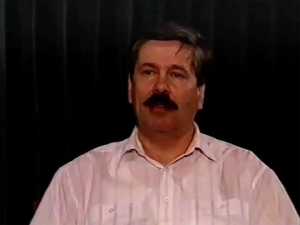
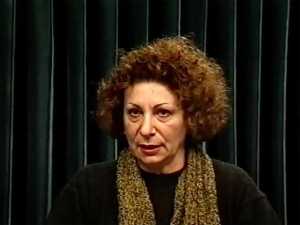
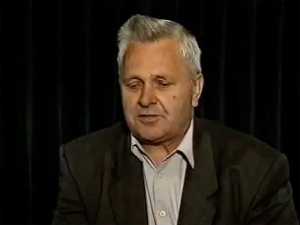
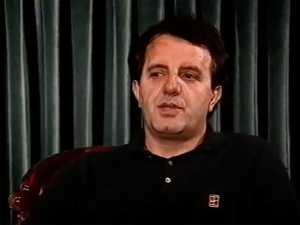
Video Oral History

Vlado Jokanović
PEACE PRAYER EACH SATURDAY
FC-VOH-99-484 | Video
Abaz Redžepagić
DISINFECTION STARTS IN THE CITY
FC-VOH-99-485 | Video
Sefer Halilović
STREET CONTROLS
FC-VOH-99-486 | Video
Zejneba Aganović
ADVICE FOR SURVIVAL
FC-VOH-99-460 | Video
Slavko Šantić
ADVICE FOR SURVIVAL
FC-VOH-99-462 | Video
Čedo Gojković
PROMOTION OF THE SWIMMERS’ ASSOCIATION
FC-VOH-99-463 | Video
Murisa Džanko
NOT ONE DAY OF REST FOR THE KINDERGARTEN
FC-VOH-99-464 | Video
Džemal Subašić
WORK OF THE HUMANITARIAN ORGANIZATIONS
FC-VOH-99-465 | Video
Šemsa Mehmedović
SARAJEVANS WRITE DIARIES
FC-VOH-99-467 | Video
Jasna Diklić
APPEAL TO THE ARTISTS OF THE WORLD
FC-VOH-99-469 | Video
Mesud Ribić
BABY POTATOES NOT EDIBLE
FC-VOH-99-470 | Video
Fahrudin Pilavdžić
CHLORINE ARRIVES TO SARAJEVO
FC-VOH-99-471 | Video
Ognjen Samardžić
ALTERNATIVE WATER SYSTEM BEING BUILT
FC-VOH-99-474 | Video
Jovan Divjak
SARAJEVO “SAFE HAVEN”
FC-VOH-99-476 | Video
Abdulah Nakaš
BOSNALIJEK PRODUCES INFUSION SOLUTIONS
FC-VOH-99-479 | Video
Ismet Arnautalić
PROMOTION OF SAGA’S FILMS
FC-VOH-99-483 | Video
Ana Mrdović
ADVICE FOR SURVIVAL
FC-VOH-99-487 | Video
Vesna Halebić
ADVICE FOR SURVIVAL
FC-VOH-99-459 | Video
Amela Vilić
UNIFORMS BY FAX
FC-VOH-99-461 | Video
Fahrudin Pilavdžić
WORKS IN BAČEVO
FC-VOH-99-466 | Video
Ševko Bajić
PEACE-FESTIVAL
FC-VOH-99-468 | Video
Mirsad Brajlović
PRIORITY CONSUMERS AND MAIN HOOK-UPS
FC-VOH-99-475 | Video
Sakib Puška
MISS SARAJEVO ‘93
FC-VOH-99-478 | Video
Sead Sirbubalo
GASIFICATION
FC-VOH-99-480 | Video
Josip Krasni
NOT ENOUGH VACCINES FOR THE DOGS
FC-VOH-99-482 | Video
Selen Balić
AVE MARIA IN THE PEACE PRAYER
FC-VOH-99-477 | Video