
Bosnia language flag

Chronology → Video Oral History

The Siege of Sarajevo 1992–1996

This Interactive FAMA Project integrates the documented chronology of the Siege of Sarajevo with first-hand testimonies within a single interface.

The material can be explored month by month by selecting any point between March 1992 and March 1996. For each chosen month, the user can review the corresponding textual chronology alongside video oral history interviews from the same period. By aligning the chronology of events with personal experiences, the platform enables a more layered, contextual exploration of how the siege unfolded over time.

The Siege of Sarajevo: Chronology 1992-1996

Compiled shortly after the war, this comprehensive chronology of the Sarajevo siege covers the period from March 1992 to March 1996. Structured by month and year, it draws on articles from the "Oslobođenje" newspaper, UN archives, reports from foreign correspondents, and citizen testimonies to document key social, political, military, cultural, and personal events of that time. By recording major developments and everyday survival, the chronology remains a vital reference for understanding how the siege unfolded and transformed every aspect of city life.

Oral History: The Siege of Sarajevo 1992-1996, video

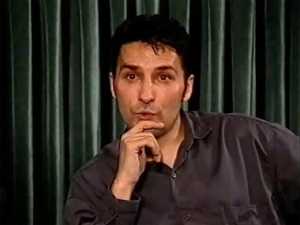
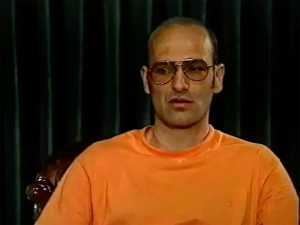
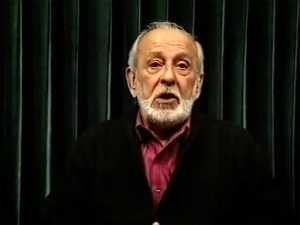
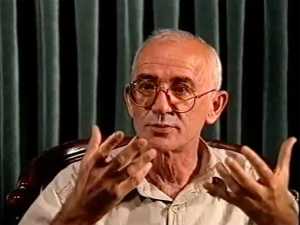
Structured chronologically and thematically, this is the first and largest video oral history of the Sarajevo siege in the world, featuring nearly 1,000 interviews with over 450 citizens from diverse backgrounds. Produced soon after the war, it presents personal testimonies covering all aspects of life in the besieged city. This 30-hour collection serves as both an educational resource and a historical record, offering future generations an unparalleled insight into first-hand accounts of the longest urban siege in modern history.

Chronology → Video Oral History

The Siege of Sarajevo 1992–1996

This Interactive FAMA Project integrates the documented chronology of the Siege of Sarajevo with first-hand testimonies within a single interface.

The material can be explored month by month by selecting any point between March 1992 and March 1996. For each chosen month, the user can review the corresponding textual chronology alongside video oral history interviews from the same period. By aligning the chronology of events with personal experiences, the platform enables a more layered, contextual exploration of how the siege unfolded over time.

The Siege of Sarajevo: Chronology 1992-1996

Compiled shortly after the war, this comprehensive chronology of the Sarajevo siege covers the period from March 1992 to March 1996. Structured by month and year, it draws on articles from the “Oslobođenje” newspaper, UN archives, reports from foreign correspondents, and citizen testimonies to document key social, political, military, cultural, and personal events of that time. By recording major developments and everyday survival, the chronology remains a vital reference for understanding how the siege unfolded and transformed every aspect of city life.

Oral History: The Siege of Sarajevo 1992-1996, video

Structured chronologically and thematically, this is the first and largest video oral history of the Sarajevo siege in the world, featuring nearly 1,000 interviews with over 450 citizens from diverse backgrounds. Produced soon after the war, it presents personal testimonies covering all aspects of life in the besieged city. This 30-hour collection serves as both an educational resource and a historical record, offering future generations an unparalleled insight into first-hand accounts of the longest urban siege in modern history.

Chronology

  • The executive committee of the city reaches a decision on the increase of apartment rent from October 1st.
  • An “interreligious event” is held: participants include the Orthodox priest Avakum Rosic, head of the Catholic church Vinko Puljic, Reis-ul-ulema Effendi Ceric, Brother Petar Arandjelovic, President of the Jewish community David Kamhi. A mass is held at the Sarajevo cathedral and liturgy at the Orthodox church.
  • During the siege of Sarajevo 120,000 refugees enter the city.
  • For the first time during the war the Art Gallery of BiH is opened. There is an exhibition of photographs by Annie Leibovitz. The exhibition is opened by Susan Sontag.
  • Susan Sontag becomes an honorary citizen of Sarajevo.
  • The Pope sends a message of peace: “Bosnians, you are not alone!”
  • “Velepekara” stops working. It has neither gas nor oil.
  • The Blessed Peace Buliders wounded in a peace mission across the Vrbanja Bridge. One of them dies.
  • Sarajevo Brewery produces 1,000,000 beers a month as a substitute for water. The factory has a stock of raw materials that could last for two years.
  • Adi Sarajlic, journalist for the radio station “Zid”, tells his early morning listeners: “260 listeners phone in between 3:30 and 4 o’clock in the morning.
  • The HVO wants control over Jablanica. The owners of power plants are set to address the issue of financing Herzeg-Bosnia by exporting electricity to Dalmatia.
  • In Sarajevo the smuggling of drugs, works of art and food is widespread.
  • Medical evacuations reach an impasse.
  • The Directorate for Refugees and Displaced Persons founds a counseling center.
  • Survey by the radio station “Studio 99”: The majority of Sarajevans are in favor of the introduction of a protectorate.
  • The Sarajevo air bridge is the longest running of its kind in history. It lasts 467 days – longer than that of Berlin.
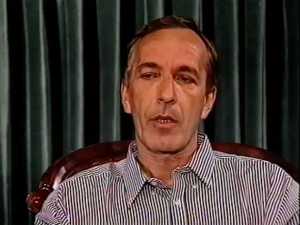
  • In the city frequent gas explosions result of improper installations.
  • 10,000 signatories across the world for the establishment of a Court for War Crimes. War criminals cannot bring peace. The declaration is signed by George Soros, Wiesenthal, Umberto Ecco, Ginsberg…
  • Serbia under sanctions. Pirates hijack oil on the Danube.
  • New members of the Presidency of BiH are appointed: Nijaz Durakovic, Stjepan Kljujic, Ivo Komsic. Miro Lasic and Boras relieved from duty.
  • Fikret Abdić, former member of the Presidency of BiH, signs a peace agreement with the Bosnian Serbs. Fikret Abdic works in alliance with Mate Boban.
  • Opening of the Film Festival in Sarajevo. Many guests stay in Ancona, not having been able to arrange for UN planes. The slogan of the festival: “We can’t promise you anything.”
  • The International Court for War Crimes begins working on November 17.
  • Operation undertaken by MUP and the Army of RBiH against the 9th motorized and 10th mountain brigades of the Army of RBiH. 530 people are detained. The main culprit, Caco Topalovic, is killed, and Celo surrenders. MUP and ABiH take back bases from the criminals. According to an “Oslobodjenje” survey, citizens are relieved and believe that rule of law will be restored.
  • The Jewish pharmacy in Sarajevo dispenses 10,000,000 medicines to citizens.

Video Oral History

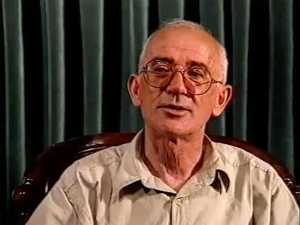
Ismet- efendija Spahić
MASS IN THE CATHEDRAL; AND A LITURGY IN THE ORTHODOX CHURCH
FC-VOH-99-580 | Video
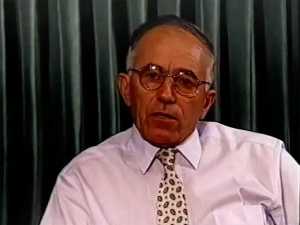
Muhamed Kreševljaković
120.000 REFUGEES ENTER SARAJEVO BY CROSSING THE RUNWAY
FC-VOH-99-582 | Video
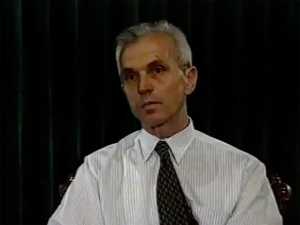
Ognjenka Finci
EXHIBITION OF PORTRAITS BY ANNIE LEIBOVITZ
FC-VOH-99-583 | Video
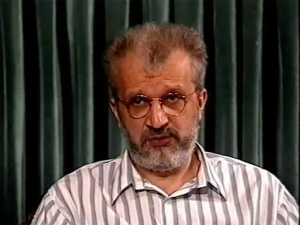
Muhamed Kreševljaković
SUSAN SONTAG BECOMES AN HONORABLE CITIZEN OF SARAJEVO
FC-VOH-99-584 | Video
Hajrudin Alispahić
BLACK MARKET WITH ART PIECES AND HUMANS
FC-VOH-99-587 | Video
Almir Čehajić
MAKING THE SERIES “NADREALISTI”
FC-VOH-99-588 | Video
Vesna Čengić
MEDICAL EVACUATION IN PROGRESSES
FC-VOH-99-589 | Video
Arif Smajkić
WHO IS ON THE EVACUATION LISTS
FC-VOH-99-590 | Video
Merim Tabaković
DOG SHOW
FC-VOH-99-594 | Video
Bećir Gribajčević
GAS EXPLOSIONS
FC-VOH-99-595 | Video
Stjepan Kljujić
ABDIĆ SIGNS A PEACE AGREEMENT WITH KARADŽIĆ
FC-VOH-99-599 | Video
Haris Haznadarević
FURNITURE IS SENT TO THE WORLD THROUGH THE TUNNEL
FC-VOH-99-581 | Video
Edhem Bičakčić
WHY HVO WANTS TO CONQUER JABLANICA
FC-VOH-99-586 | Video
Mimo Šahinpašić
SARAJEVANS IN FAVOR OF PROTECTORATE
FC-VOH-99-592 | Video
Amila Omersoftić
REFUGEE SUPPORT SERVICES OFFICE OPENED
FC-VOH-99-591 | Video
Mehmed Halilović
CITIZENS ARE AT EASE
FC-VOH-99-603 | Video