
The Siege of Sarajevo 1992–1996
This Interactive FAMA Project integrates the documented chronology of the Siege of Sarajevo with first-hand testimonies within a single interface.
The material can be explored month by month by selecting any point between March 1992 and March 1996. For each chosen month, the user can review the corresponding textual chronology alongside video oral history interviews from the same period. By aligning the chronology of events with personal experiences, the platform enables a more layered, contextual exploration of how the siege unfolded over time.
The Siege of Sarajevo: Chronology 1992-1996
Compiled shortly after the war, this comprehensive chronology of the Sarajevo siege covers the period from March 1992 to March 1996. Structured by month and year, it draws on articles from the "Oslobođenje" newspaper, UN archives, reports from foreign correspondents, and citizen testimonies to document key social, political, military, cultural, and personal events of that time. By recording major developments and everyday survival, the chronology remains a vital reference for understanding how the siege unfolded and transformed every aspect of city life.
Oral History: The Siege of Sarajevo 1992-1996, video
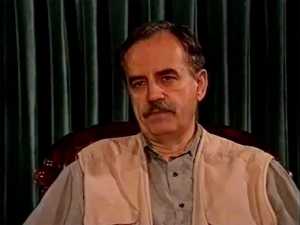
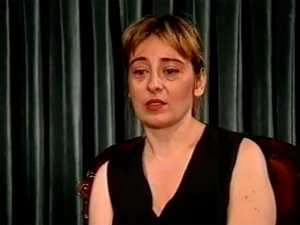
Structured chronologically and thematically, this is the first and largest video oral history of the Sarajevo siege in the world, featuring nearly 1,000 interviews with over 450 citizens from diverse backgrounds. Produced soon after the war, it presents personal testimonies covering all aspects of life in the besieged city. This 30-hour collection serves as both an educational resource and a historical record, offering future generations an unparalleled insight into first-hand accounts of the longest urban siege in modern history.
The Siege of Sarajevo 1992–1996
This Interactive FAMA Project integrates the documented chronology of the Siege of Sarajevo with first-hand testimonies within a single interface.
The material can be explored month by month by selecting any point between March 1992 and March 1996. For each chosen month, the user can review the corresponding textual chronology alongside video oral history interviews from the same period. By aligning the chronology of events with personal experiences, the platform enables a more layered, contextual exploration of how the siege unfolded over time.
The Siege of Sarajevo: Chronology 1992-1996
Compiled shortly after the war, this comprehensive chronology of the Sarajevo siege covers the period from March 1992 to March 1996. Structured by month and year, it draws on articles from the “Oslobođenje” newspaper, UN archives, reports from foreign correspondents, and citizen testimonies to document key social, political, military, cultural, and personal events of that time. By recording major developments and everyday survival, the chronology remains a vital reference for understanding how the siege unfolded and transformed every aspect of city life.
Oral History: The Siege of Sarajevo 1992-1996, video
Structured chronologically and thematically, this is the first and largest video oral history of the Sarajevo siege in the world, featuring nearly 1,000 interviews with over 450 citizens from diverse backgrounds. Produced soon after the war, it presents personal testimonies covering all aspects of life in the besieged city. This 30-hour collection serves as both an educational resource and a historical record, offering future generations an unparalleled insight into first-hand accounts of the longest urban siege in modern history.