
Bosnia language flag

Chronology → Video Oral History

The Siege of Sarajevo 1992–1996

This Interactive FAMA Project integrates the documented chronology of the Siege of Sarajevo with first-hand testimonies within a single interface.

The material can be explored month by month by selecting any point between March 1992 and March 1996. For each chosen month, the user can review the corresponding textual chronology alongside video oral history interviews from the same period. By aligning the chronology of events with personal experiences, the platform enables a more layered, contextual exploration of how the siege unfolded over time.

The Siege of Sarajevo: Chronology 1992-1996

Compiled shortly after the war, this comprehensive chronology of the Sarajevo siege covers the period from March 1992 to March 1996. Structured by month and year, it draws on articles from the "Oslobođenje" newspaper, UN archives, reports from foreign correspondents, and citizen testimonies to document key social, political, military, cultural, and personal events of that time. By recording major developments and everyday survival, the chronology remains a vital reference for understanding how the siege unfolded and transformed every aspect of city life.

Oral History: The Siege of Sarajevo 1992-1996, video

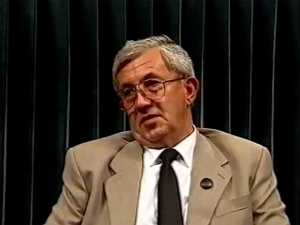
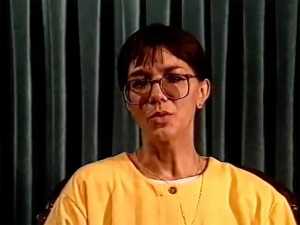
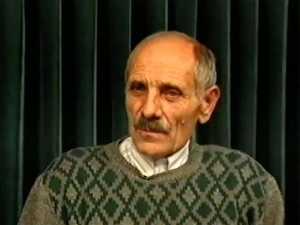
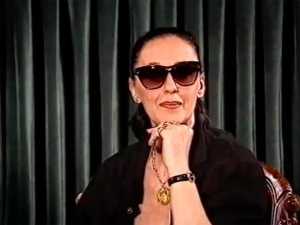
Structured chronologically and thematically, this is the first and largest video oral history of the Sarajevo siege in the world, featuring nearly 1,000 interviews with over 450 citizens from diverse backgrounds. Produced soon after the war, it presents personal testimonies covering all aspects of life in the besieged city. This 30-hour collection serves as both an educational resource and a historical record, offering future generations an unparalleled insight into first-hand accounts of the longest urban siege in modern history.
Chronology → Video Oral History

The Siege of Sarajevo 1992–1996

This Interactive FAMA Project integrates the documented chronology of the Siege of Sarajevo with first-hand testimonies within a single interface.

The material can be explored month by month by selecting any point between March 1992 and March 1996. For each chosen month, the user can review the corresponding textual chronology alongside video oral history interviews from the same period. By aligning the chronology of events with personal experiences, the platform enables a more layered, contextual exploration of how the siege unfolded over time.

The Siege of Sarajevo: Chronology 1992-1996

Compiled shortly after the war, this comprehensive chronology of the Sarajevo siege covers the period from March 1992 to March 1996. Structured by month and year, it draws on articles from the “Oslobođenje” newspaper, UN archives, reports from foreign correspondents, and citizen testimonies to document key social, political, military, cultural, and personal events of that time. By recording major developments and everyday survival, the chronology remains a vital reference for understanding how the siege unfolded and transformed every aspect of city life.

Oral History: The Siege of Sarajevo 1992-1996, video

Structured chronologically and thematically, this is the first and largest video oral history of the Sarajevo siege in the world, featuring nearly 1,000 interviews with over 450 citizens from diverse backgrounds. Produced soon after the war, it presents personal testimonies covering all aspects of life in the besieged city. This 30-hour collection serves as both an educational resource and a historical record, offering future generations an unparalleled insight into first-hand accounts of the longest urban siege in modern history.

Chronology

  • Due to the aggression against Bosnia and Herzegovina and the siege of Sarajevo, the prevailing general attitude of the international community is that "the Serbs should be reasoned with, but not be defeated by us; we should leave them room for an honorable exit from a situation they themselves have created."
  • Satish Nambiar, Chief of Staff of the United Nations for Bosnia, says: "This is a vicious circle. I do not really see a solution. "
  • A conference of Islamic countries is held. The decision is made to request the repeal of the arms embargo on BiH. The oil reserves controlled by Islamic countries give power to this request
  • Religious, scientific and literary institutions in Sarajevo send a letter to U.S. President Bill Clinton; these include ANUBiH, "La Benevolencija", "the Pen Centre", “Napredak”, “Preporod”, and the University of Sarajevo.
  • Geneva, December 2nd, 1992. A resolution by the Commission on Human Rights is adopted unanimously that clearly identifies the aggressor and its atrocities.
  • Bosnian Serb forces launch a heavy attack on Otes, a suburb of Sarajevo.
  • Each Sarajevan is entitled to 0.333 kg of bread; 0.174 kg of flour is delivered instead to those parts of the city where bread can’t be delivered.
  • Croatia ultimately abolishes the transit visa.
  • OSBiH General Stjepan Siber protests UN organizations allowing Bosnian Serb soldiers to use white UN vehicles to drive across the airport runway.
  • City’s Red Cross Center tends to refugees in refugee camps.
  • The OSBiH is forced to retreat from the suburb of Otes in the face of the aggressor’s artillery attacks. Residents are evacuated. As they flee they cross the Dobrinja river.
  • The Sarajevo branch of the HVO organizes a Christmas tournament for indoor soccer. Sixteen teams participate, the tournament lasts 17 days.
  • Through the humanitarian organization "Adra" a large shipment of packages arrives from Belgrade.
  • Russia does not want to deliver gas to Sarajevo because of its large debt for gas. The BiH delegation is in Moscow negotiating the release of gas.
  • At the peace conference in Geneva, the delegations are working on maps. The BiH Foreign Minister suggests that BiH be divided into 13 cantons.
  • The airport is closed. Sarajevo awaits a new round of humanitarian aid.
  • Due to the difficult situation in the city, a ban is passed on coffee shops and bars staying open after 6pm.
  • OSBiH soldiers take back a position on Zuc hill 850 meters high. This hill was one of the fiercest Serb strongholds for shooting at the citizens of Sarajevo.
  • In Sarajevo the 'Blessed builders of peace' arrive. At the "Radnik" cinema they hold an ecumenical gathering
  • At the peace conference in Geneva all three sides give written guarantees that they will not shoot at planes so that Sarajevo airport can be opened again.
  • The President of the Croat-formed Herzeg-Bosnia, Mate Boban, blocks the entry of weapons for OSBiH before Sarajevo. Sarajevo is now besieged by three layers: the Bosnian Serbs, the UN, and Herzeg-Bosnia.
  • The leader of the SDS, Radovan Karadzic, in Geneva makes a statement on ending the war on December 17th, but his assembly needs to adopt a resolution on the termination of the war.
  • In order to be published daily, the newspaper "Oslobodjenje" needs a barrel of oil for its electrical generator, while journalists have one hour to prepare the news. Due to the small number of copies of the newspaper, citizens post copies on city walls.
  • Counterfeit banknotes are noticed in the city in denominations of 5,000 BiH dinars. 1.2 million counterfeit banknotes have entered the city.
  • The Bosnian Serb television network in Pale, "Srna", exerts constant pressure on Serbs in Sarajevo to leave the city.
  • "Spiders" (tow-trucks) tow away improperly parked cars. The utility company "Rad" urges the public to stop parking on the streets.
  • Geneva, December 18, 1992. A ministerial conference on the former Yugoslavia is completed on December 18th, 1992.
  • Lawrence Eagleburger says that Milosevic and Karadzic systematically violate the agreements that they themselves have signed; pledges to punish all war criminals, naming some of them; suggests that the UN Security Council review the arms embargo on Bosnia; says that pressure must be exerted to open up pathways for humanitarian aid and efforts to prevent the spread of the war, particularly in Kosovo, should be stepped up; and that sanctions in order to stop the war as soon as possible should be strengthened
  • New York, December 18th, 1992. The UN General Assembly adopts a resolution in wich they request the Security Council to lift the embargo on arms exports in Bosnia and to authorize military intervention if Serbia and Montenegro continue after January 15th with their violations of previous Security Council resolutions. 102 countries vote in favor of this resolution, with 57 abstentions and none against.
  • At a session of the BiH Presidency it is decided that Alija Izetbegovic will remain president during the war.
  • The first ambassador to BiH is appointed, Croatian Ambassador, Dr. Sancevic.
  • The BiH airline "Air BiH" is established, comprised of former JAT employees. A company representative says: "Given that the Sarajevo airport is under UN control, the people of Sarajevo will have to use other airports to travel but all the reservations can be made through the newly formed company Air BiH."
  • Three maps for demilitarization are made in Geneva.
  • "Velepekara" asks for gas burners from the Medical school in order to enable another line of production of bread because its situation with oil is critical.
  • Celebration of Christmas at the UNPROFOR base. The French Battalion, sings "We pray for peace in Sarajevo."
  • The headquarters of UNPROFOR is shelled. General Morillon, the UNPROFOR Commander, wants to withdraw because of these events in Sarajevo. The government of BiH gives him guarantees that they will investigate the shelling.
  • In Geneva on December 28th, 1992 a peace conference on the former Yugoslavia begins.
  • Curfew abolished for New Year‘s celebrations.
  • UNPROFOR sends a proposal to the BiH goverment that UNPROFOR can return men who try to run across the airport runway in order to flee the city. They propose to organize joint control with the BiH government over the corridor.

Video Oral History

David Kamhi
ELIE WIESEL IN SARAJEVO
FC-VOH-99-333 | Video
Omer Kulić
AIRLINE ESTABLISHED
FC-VOH-99-337 | Video
Una Bejtović
NEW YEAR’S CELEBRATION
FC-VOH-99-343 | Video
Seid Huković
LETTER TO US PRESIDENT BILL CLINTON
FC-VOH-99-312 | Video
Jakob Finci
LETTER TO US PRESIDENT BILL CLINTON
FC-VOH-99-313 | Video
Fikret Mujezinović
0.333 KG OF BREAD PER EACH SARAJEVAN
FC-VOH-99-315 | Video
Pero Butigan
RED CROSS CONVEYS MESSAGES
FC-VOH-99-318 | Video
Mustafa-Talijan Hajrulahović
FALL OF OTES
FC-VOH-99-319 | Video
Ante Jerković
CHRISTMAS INDOOR FOOTBALL TOURNAMENT
FC-VOH-99-322 | Video
Muhamed Zlatar
AIRPORT IS SHUT DOWN
FC-VOH-99-325 | Video
Sefer Halilović
SECTOR 850 LIBERATED
FC-VOH-99-326 | Video
Muhamed Abadžić
AIR COMMERCE OFFERS ITS AIRPLANES
FC-VOH-99-328 | Video
Ibro Spahić
BEATI COSTRUTTORI DEL PACE COME TO SARAJEVO
FC-VOH-99-329 | Video
Stjepan Šiber
FAKE NEGOTIATIONS
FC-VOH-99-330 | Video
Jusuf Reiz
PUBLIC APPEAL FOR PROPER PARKING
FC-VOH-99-336 | Video
Mladen-Troka Jeličić
SANTA ARRIVES
FC-VOH-99-339 | Video
Gordana Magaš
CHRISTMAS CELEBRATION AT UNPROFOR’S BASE
FC-VOH-99-340 | Video
Sefer Halilović
GENERAL MORILLON’S HQ SHELLED
FC-VOH-99-341 | Video
Ferida Duraković
LETTER TO US PRESIDENT BILL CLINTON
FC-VOH-99-311 | Video
Irfan Durmić
FUNCTIONING OF THE ELECTRICAL SYSTEM
FC-VOH-99-314 | Video
Sefer Popara
0.333 KG OF BREAD PER EACH SARAJEVAN
FC-VOH-99-316 | Video
Mijo Baban
PARCELS FROM BELGRADE ARRIVE
FC-VOH-99-324 | Video
Muhamed Zlatar
PROGRAM FOR SURVIVAL IS DEVELOPED
FC-VOH-99-327 | Video
Kemal Mešak
CITY BAKERY ASKS FOR GAS BURNERS
FC-VOH-99-338 | Video
Božena Fickov
ESCAPE ACROSS THE DOBRINJA RIVER
FC-VOH-99-320 | Video
Ivan Brehelmaher
ADRA BRINGS PARCELS INTO THE CITY
FC-VOH-99-323 | Video