
Bosnia language flag

Chronology → Video Oral History

The Siege of Sarajevo 1992–1996

This Interactive FAMA Project integrates the documented chronology of the Siege of Sarajevo with first-hand testimonies within a single interface.

The material can be explored month by month by selecting any point between March 1992 and March 1996. For each chosen month, the user can review the corresponding textual chronology alongside video oral history interviews from the same period. By aligning the chronology of events with personal experiences, the platform enables a more layered, contextual exploration of how the siege unfolded over time.

The Siege of Sarajevo: Chronology 1992-1996

Compiled shortly after the war, this comprehensive chronology of the Sarajevo siege covers the period from March 1992 to March 1996. Structured by month and year, it draws on articles from the "Oslobođenje" newspaper, UN archives, reports from foreign correspondents, and citizen testimonies to document key social, political, military, cultural, and personal events of that time. By recording major developments and everyday survival, the chronology remains a vital reference for understanding how the siege unfolded and transformed every aspect of city life.

Oral History: The Siege of Sarajevo 1992-1996, video

Structured chronologically and thematically, this is the first and largest video oral history of the Sarajevo siege in the world, featuring nearly 1,000 interviews with over 450 citizens from diverse backgrounds. Produced soon after the war, it presents personal testimonies covering all aspects of life in the besieged city. This 30-hour collection serves as both an educational resource and a historical record, offering future generations an unparalleled insight into first-hand accounts of the longest urban siege in modern history.
Chronology → Video Oral History

The Siege of Sarajevo 1992–1996

This Interactive FAMA Project integrates the documented chronology of the Siege of Sarajevo with first-hand testimonies within a single interface.

The material can be explored month by month by selecting any point between March 1992 and March 1996. For each chosen month, the user can review the corresponding textual chronology alongside video oral history interviews from the same period. By aligning the chronology of events with personal experiences, the platform enables a more layered, contextual exploration of how the siege unfolded over time.

The Siege of Sarajevo: Chronology 1992-1996

Compiled shortly after the war, this comprehensive chronology of the Sarajevo siege covers the period from March 1992 to March 1996. Structured by month and year, it draws on articles from the “Oslobođenje” newspaper, UN archives, reports from foreign correspondents, and citizen testimonies to document key social, political, military, cultural, and personal events of that time. By recording major developments and everyday survival, the chronology remains a vital reference for understanding how the siege unfolded and transformed every aspect of city life.

Oral History: The Siege of Sarajevo 1992-1996, video

Structured chronologically and thematically, this is the first and largest video oral history of the Sarajevo siege in the world, featuring nearly 1,000 interviews with over 450 citizens from diverse backgrounds. Produced soon after the war, it presents personal testimonies covering all aspects of life in the besieged city. This 30-hour collection serves as both an educational resource and a historical record, offering future generations an unparalleled insight into first-hand accounts of the longest urban siege in modern history.
Chronology

  • A common scene on the streets of Sarajevo: in the tram stand passengers reading newspapers, while a sniper on the hill shoots all over Marijn Dvor. All wait for the shooting to stop. Passengers entering the tram choose the "best" place in the tram, where one has "the least chance of being shot" - Sarajevo Roulette.
  • The usual sight at UN checkpoints where they should provide control of Bosnian Serb weapons: the Serbs arrive at checkpoints, take weapons by force from UN soldiers, then engage in talks over restoring the weapons under control.
  • Foreign Minister of Russia, Andrei Koziryev: "I will no longer talk with Radovan Karadzic."
  • At the airport negotiations on the cessation of sniper shootings.
  • Because of the refusal to sign the proposed plan of the Contact Group and their referendum vote, the Serbian government sends a letter to the Bosnian Serbs: "Do not hide yourselves behind the referendum."
  • The Government of Yugoslavia decides to break off political and economic relations with the Bosnian Serbs and the leadership in Pale. Borders are closed, transportation stopped and ban passed prohibiting political leaders and members of Parliament to step on Yugoslav soil.
  • Bosnian Serbs seize a tank, 2 APC′s from a UN checkpoint. NATO aircraft warn their headquarters, and then act. UN Commander Michael Rose: "We warned the Serbian side to take shelter, because we did not want to kill soldiers." The green light for attacks comes from Washington, after consultation with Moscow and Brussels. "
  • Passengers injured in a tram. The trams stops working.
  • After the NATO air strikes, the Serbs return the tank, 2 APC′s and 2 anti-aircraft weapons. Admiral Leighton Smith, on the occasion of the NATO actions: "The point of the attack was to warn the Serbs so that they don’t even think of doing this again."
  • Since the closure of the "blue routes" prices in the markets have soared by 100%.
  • Momcilo Krajisnik, president of the Bosnian Serb Assembly, sends a request to the Contact Group to change the maps and give the Serbs their own state, otherwise they will be responsible for the escalation of the war in Bosnia.
  • "Krug 99" launches a campaign: Declaration on a unified Sarajevo.
  • Thousandth performance of "Moving Theatre."
  • Swimming in the rivers of Sarajevo is forbidden due to contaminated water and the increasing occurrence of jaundice.
  • Manfred Woerner, Secretary General of NATO, passes away.
  • At Sarajevo airport an agreement is signed on snipers.
  • Issues surround the commissioning of a new water supply - wait for a unit for water treatment.
  • A BiH expedition stops its climb on the Himalayas due to the illness of one of the climbers.
  • Vatican works on plans for the Pope's visit to Sarajevo. The Vatican gives consideration to the warning from Radovan Karadzic that the Pope will be shot by Muslims who in turn will blame the Serbs for the assassination.
  • UN observers monitor Igman road with cameras, as Bosnian Serbs are firing on it.
  • Sarajevo tram: UN troops will be passengers on the tram in order to ensure the safety of the passengers.
  • The ARBiH liberates the city Velika Kladusa. The Army issues a proclamation for citizens to have confidence in it.
  • General Michael Rose rides on the Sarajevo tram with specially designed tram tickets designed just for him and his symbolic ride.
  • President of Yugoslavia, Slobodan Milosevic refuses to appoint observers at the border. Kozyrev travels to Belgrade.
  • A fashion show with pieces made from clay and yeast is held; the designer is Snjezana Hufnagl.
  • Everthing is prepared for the Pope's arrival. An altar is being constructed.
  • Russian Foreign Minister Andre Kozyrev says after his visit to Belgrade, "We must strengthen sanctions against the Bosnian Serbs and ease sanctions against Belgrade."
  • A statement from Radovan Karadzic, on the occasion of a possible lifting of the arms embargo for the country of Bosnia and Herzegovina: "If the international community lifts the embargo, we will detain all foreigners, shoot down all planes, and kidnap UN observers."
  • Andrei Kozyrev in Sarajevo.
  • After discussions with Koziryev, Slobodan Milosevic agrees to place observers on the border.

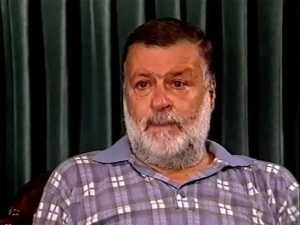
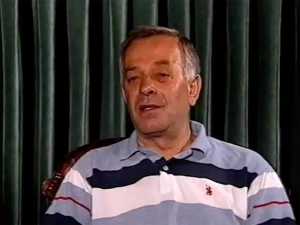
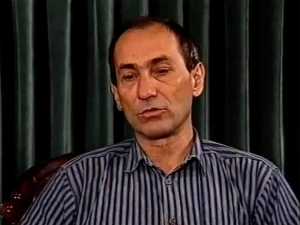
Video Oral History

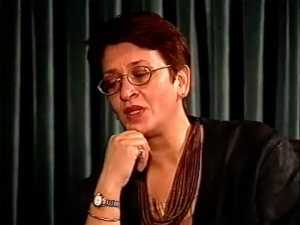
Senada Kreso
CLIMBING IN THE HIMALAYAS IS STOPPED
FC-VOH-99-808 | Video
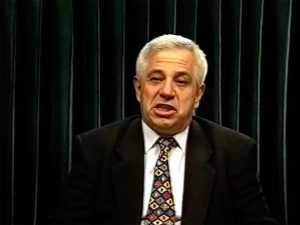
Ibrahim Jusufranić
UN SOLDIERS IN THE TRAMS SERVE AS A PROTECTION
FC-VOH-99-809 | Video
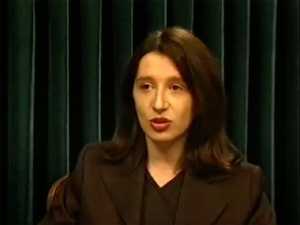
Lejla Pašović
PREMIERE “IN THE COUNTRY OF LAST THINGS”
FC-VOH-99-810 | Video
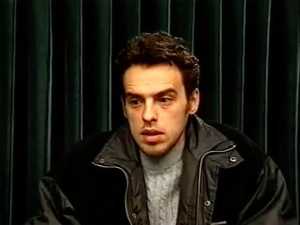
Enes Sivac
INSTALLING THE CYCLIST
FC-VOH-99-814 | Video
Sead-Šišalo Arslanagić
1.000 PERFORMANCES BY THE MOBILE THEATER
FC-VOH-99-803 | Video
Sandra Milanović
SWIMMERS SUFFER FROM HEPATITIS
FC-VOH-99-805 | Video
Snježana Hufnagel
FASHION SHOW OF PLASTER AND YEAST
FC-VOH-99-812 | Video
Muhamed Gafić
CLIMBING IN THE HIMALAYAS IS STOPPED
FC-VOH-99-807 | Video
Munir Alibabić
MUNIR ALIBABIĆ IS DISCHARGED
FC-VOH-99-804 | Video