
Bosnia language flag

Chronology → Video Oral History

The Siege of Sarajevo 1992–1996

This Interactive FAMA Project integrates the documented chronology of the Siege of Sarajevo with first-hand testimonies within a single interface.

The material can be explored month by month by selecting any point between March 1992 and March 1996. For each chosen month, the user can review the corresponding textual chronology alongside video oral history interviews from the same period. By aligning the chronology of events with personal experiences, the platform enables a more layered, contextual exploration of how the siege unfolded over time.

The Siege of Sarajevo: Chronology 1992-1996

Compiled shortly after the war, this comprehensive chronology of the Sarajevo siege covers the period from March 1992 to March 1996. Structured by month and year, it draws on articles from the "Oslobođenje" newspaper, UN archives, reports from foreign correspondents, and citizen testimonies to document key social, political, military, cultural, and personal events of that time. By recording major developments and everyday survival, the chronology remains a vital reference for understanding how the siege unfolded and transformed every aspect of city life.

Oral History: The Siege of Sarajevo 1992-1996, video

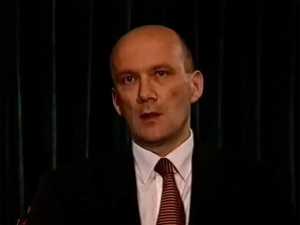
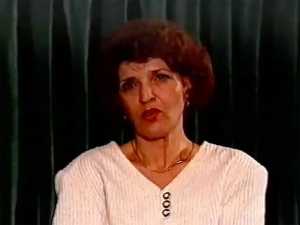
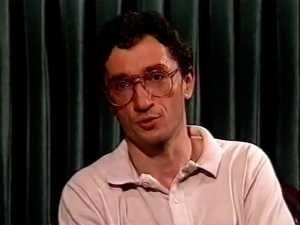
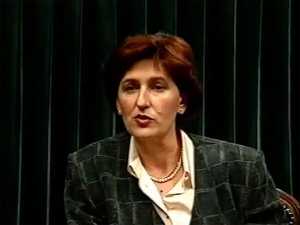
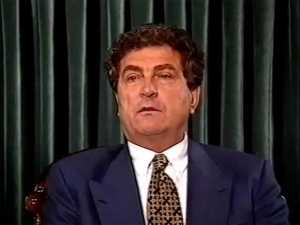
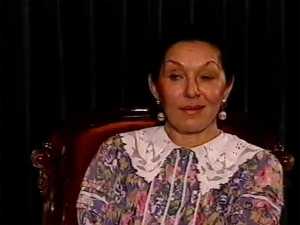
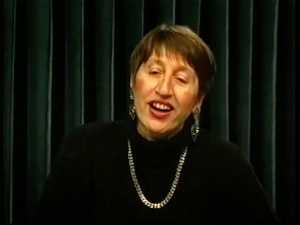
Structured chronologically and thematically, this is the first and largest video oral history of the Sarajevo siege in the world, featuring nearly 1,000 interviews with over 450 citizens from diverse backgrounds. Produced soon after the war, it presents personal testimonies covering all aspects of life in the besieged city. This 30-hour collection serves as both an educational resource and a historical record, offering future generations an unparalleled insight into first-hand accounts of the longest urban siege in modern history.
Chronology → Video Oral History

The Siege of Sarajevo 1992–1996

This Interactive FAMA Project integrates the documented chronology of the Siege of Sarajevo with first-hand testimonies within a single interface.

The material can be explored month by month by selecting any point between March 1992 and March 1996. For each chosen month, the user can review the corresponding textual chronology alongside video oral history interviews from the same period. By aligning the chronology of events with personal experiences, the platform enables a more layered, contextual exploration of how the siege unfolded over time.

The Siege of Sarajevo: Chronology 1992-1996

Compiled shortly after the war, this comprehensive chronology of the Sarajevo siege covers the period from March 1992 to March 1996. Structured by month and year, it draws on articles from the “Oslobođenje” newspaper, UN archives, reports from foreign correspondents, and citizen testimonies to document key social, political, military, cultural, and personal events of that time. By recording major developments and everyday survival, the chronology remains a vital reference for understanding how the siege unfolded and transformed every aspect of city life.

Oral History: The Siege of Sarajevo 1992-1996, video

Structured chronologically and thematically, this is the first and largest video oral history of the Sarajevo siege in the world, featuring nearly 1,000 interviews with over 450 citizens from diverse backgrounds. Produced soon after the war, it presents personal testimonies covering all aspects of life in the besieged city. This 30-hour collection serves as both an educational resource and a historical record, offering future generations an unparalleled insight into first-hand accounts of the longest urban siege in modern history.
Chronology

  • Sarajevo airport: A Serbian liaison officer announces that the Serbs cannot guarantee the security of planes that land for more than 30 minutes.
  • Pope's arrival is confirmed. On the streets of Sarajevo, posters appear with the image of the Pope and the message: "You are not alone, we are with you!"
  • Richard Holbrooke, U.S. Assistant Secretary of State for European Affairs, arrives in Sarajevo.
  • Papal nuncio Francesco Montesi visits Pale. After his visit, he sends a report to the Vatican. The UN is responsible for the safety of the Pope at the airport, while MUP will be responsible for it in the city.
  • On the occasion of the Pope's arrival, the head of the Catholic Church, Vinko Puljic, makes a statement: "Out of all the news from Bosnia, Pope always knew that the news is true. If Holy Father does not come, life goes on, but the pain will remain in heart. "
  • The Jewish New Year is celebrated in Sarajevo: L’shanah tovah tikatev, 5755.
  • The Pope does not come. UNPROFOR could not guarantee his safety.
  • "Blessed are the peacemakers" arrive in Sarajevo. They had come to see the Pope. They carry flags, and sing and dance in the streets. After all, in Kamerni teatar 55 the evening had been prepared for the occasion of the Pope's arrival: the actors recited the Pope's poems, choir “Trebevic” sang Pope’s hymn
  • Increase of prices on the market. Bananas now cost 6DM.
  • At the hydropower plant Jablanica, there water supply will last for just 10 days. At the substation in Sarajevo, the process is ongoing to shut down power to those substations that have illegal electrical connections.
  • Akashi meets with the Mayor of Tuzla, Selim Beslagic: "The Serbs will allow the opening of the airport in Tuzla."
  • The Bosnian Serbs attack Bihac. The UN commander for Bosnia and Herzegovina warns the Serbs that they will be exposed to strikes if they do not stop their attacks on Bihac.
  • Snipers again fire at Sarajevo.
  • Paraplegic marathon held.
  • The Popemobile stays in the city. There is a possibility that the Pope could come before the end of the month.
  • Ongoing deployment of observers on the Serbia and Montenegro-BiH border. In return it is expected that sanctions against Belgrade will be eased. A ban is placed on the Bosnian Serbs for any travel abroad.
  • Risto Dzogo, TV commentator on the extreme nationalist television network of the Bosnian Serbs, "Srna,” is killed. His corpse is found in Zvornik Lake.
  • On Sarajevo streets once again containers are used for protection against snipers.
  • Attacks on Sarajevo. General Rose warns the Serbs to stop attacking or air strikes will follow. The Serbs ordered their troops to pull out all heavy weapons from UN checkpoints.
  • The city returns to its old scenes - lines for water, canisters.
  • In honor of his guest tour of Sarajevo's MESS in Paris at Peter Brook's theatre, the famous director says: "Thanks to culture, they can endure in the face of absolute negation. They say whoever lives will have the last word. They came here to allow us to share their safety with them. "
  • The UN issues an ultimatum for the Bosnian Serbs to withdraw heavy weapons from the "safe area". Due to a shell landing in front of the Sarajevo Cathedral, UNPROFOR publishes a report: "The entry trajectory has not been identified, or the position from where it was fired; however the radar antenna was oriented such that part of the downward trajectory was registered as well as the location of its flight."
  • Because of the UN ultimatum, Radovan Karadzic says: "We will attack the international force when and wherever we choose."
  • U.S. General John Shalikashvili: "Whenever we have attacked them, the Serbs have understood the message and retreated."
  • The Bosnian Serbs give the UN an ultimatum: "If you do not apologize within 24 hours for ordering airstrikes, we will retaliate. The UN is an occupying force and cannot be tolerated. "
  • Demand for wood in the city: a sack of hornbeam wood - 20 DM.
  • At the Clinical Center in Sarajevo treatment is performed under field conditions.
  • The Bosnian Serbs established restrictions for the movement of the UN.
  • U.S. President Bill Clinton in his speech at the UN General Assembly, says that "Sarajevo must be saved."
  • Harsher sanctions against the Bosnian Serbs; those against Yugoslavia to be eased.
  • United States insists on stronger NATO strikes. The U.K. is against them.

Video Oral History

Jasmin Jahefendić
DIVORCES
FC-VOH-99-817 | Video
Hasan Muratović
POPE IS COMING TO SARAJEVO
FC-VOH-99-818 | Video
Sonja Elezar
SHONA TOVA TIKATEVU; THE YEAR OF 5755
FC-VOH-99-819 | Video
Borka Cerić
PRICES ON THE MARKET ARE GOING HIGH
FC-VOH-99-822 | Video
Muhamed Šaćiragić
BLUE ROADS ARE CLOSED
FC-VOH-99-823 | Video
Amina Begović
ROSES ON TRŠĆANSKA STREET
FC-VOH-99-824 | Video
Zula Selimović
MARATHON OF PARAPLEGICS
FC-VOH-99-825 | Video
Sabiha Nadarević
QUEST FOR WOODS
FC-VOH-99-832 | Video
Zilha Ademaj
CLINICAL CENTER WORKS NOW ON FIELD
FC-VOH-99-834 | Video
Ivo Komšić
PRIVATE VISIT TO THE VATICAN
FC-VOH-99-816 | Video
Smilja Gavrić
WEDDING UNDER SIEGE
FC-VOH-99-820 | Video
Jadranko Prlić
POPE IS COMING TO SARAJEVO
FC-VOH-99-821 | Video
Zdravka Gutić
ADVICE FOR SURVIVAL
FC-VOH-99-828 | Video
Mustafa Imširević
BICYCLE IS THE MAIN MEANS OF TRANSPORTATION
FC-VOH-99-829 | Video
Nedžad Hadžijalić
BICYCLE IS THE MAIN MEANS OF TRANSPORTATION
FC-VOH-99-830 | Video
Ahmed Obradović
ADVICE FOR SURVIVAL
FC-VOH-99-833 | Video