
Bosnia language flag

Chronology → Video Oral History

The Siege of Sarajevo 1992–1996

This Interactive FAMA Project integrates the documented chronology of the Siege of Sarajevo with first-hand testimonies within a single interface.

The material can be explored month by month by selecting any point between March 1992 and March 1996. For each chosen month, the user can review the corresponding textual chronology alongside video oral history interviews from the same period. By aligning the chronology of events with personal experiences, the platform enables a more layered, contextual exploration of how the siege unfolded over time.

The Siege of Sarajevo: Chronology 1992-1996

Compiled shortly after the war, this comprehensive chronology of the Sarajevo siege covers the period from March 1992 to March 1996. Structured by month and year, it draws on articles from the "Oslobođenje" newspaper, UN archives, reports from foreign correspondents, and citizen testimonies to document key social, political, military, cultural, and personal events of that time. By recording major developments and everyday survival, the chronology remains a vital reference for understanding how the siege unfolded and transformed every aspect of city life.

Oral History: The Siege of Sarajevo 1992-1996, video

Structured chronologically and thematically, this is the first and largest video oral history of the Sarajevo siege in the world, featuring nearly 1,000 interviews with over 450 citizens from diverse backgrounds. Produced soon after the war, it presents personal testimonies covering all aspects of life in the besieged city. This 30-hour collection serves as both an educational resource and a historical record, offering future generations an unparalleled insight into first-hand accounts of the longest urban siege in modern history.

Chronology → Video Oral History

The Siege of Sarajevo 1992–1996

This Interactive FAMA Project integrates the documented chronology of the Siege of Sarajevo with first-hand testimonies within a single interface.

The material can be explored month by month by selecting any point between March 1992 and March 1996. For each chosen month, the user can review the corresponding textual chronology alongside video oral history interviews from the same period. By aligning the chronology of events with personal experiences, the platform enables a more layered, contextual exploration of how the siege unfolded over time.

The Siege of Sarajevo: Chronology 1992-1996

Compiled shortly after the war, this comprehensive chronology of the Sarajevo siege covers the period from March 1992 to March 1996. Structured by month and year, it draws on articles from the “Oslobođenje” newspaper, UN archives, reports from foreign correspondents, and citizen testimonies to document key social, political, military, cultural, and personal events of that time. By recording major developments and everyday survival, the chronology remains a vital reference for understanding how the siege unfolded and transformed every aspect of city life.

Oral History: The Siege of Sarajevo 1992-1996, video

Structured chronologically and thematically, this is the first and largest video oral history of the Sarajevo siege in the world, featuring nearly 1,000 interviews with over 450 citizens from diverse backgrounds. Produced soon after the war, it presents personal testimonies covering all aspects of life in the besieged city. This 30-hour collection serves as both an educational resource and a historical record, offering future generations an unparalleled insight into first-hand accounts of the longest urban siege in modern history.
Chronology

  • In order for Sarajevans to join organized convoys that after a long delay have begun to leave the city, one needs to receive consent from the Sarajevo police, UN approval and consent from the Bosnian Serbs.
  • Stjepan Kljujic, the BiH Presidency’s Croat member is forced to resign at the request of the HDZ, in favor of Miro Lasic, their new candidate.
  • Sefer Halilovic, commander of the BiH Armed Forces, prohibits the departure of the convoy, but Pero Butigan, director of the Red Cross, insists that they are required to transport citizens. In the end, both convoys, one headed for Split and the other for Belgrade, manage to leave.
  • Director Paul Masic makes the animated film "Coffee".
  • "Sipad holding,” a factory for processing wood and producing furniture, possesses stores of wood that could be used for heating, but the question remains how it can be brought into Sarajevo. Wood shipments are stalled in Fojnica, Tarcin, Konjic ... all cities surrounding Sarajevo.
  • Geneva, November 7th, 1992. In Geneva, during a conference on Bosnia, Radovan Karadzic, says that due to pressure from the international community for now he will abandon the request for a separate state, but he still holds requirements for great autonomy and the division of BiH into five areas. Haris Silajdzic demands the opening of a road corridor from Ploce - Mostar - Sarajevo
  • A convoy of Sarajevo Slovenes, organized by the Association of Slovenes and the Slovenian government, leaves Sarajevo for Slovenia.
  • UNPROFOR and the utility company 'Rad' undertake cleaning and the removal of a huge number of damaged vehicles from the street.
  • The wounded wait to leave the city.
  • A Hollywood team visits the editorial office of "Oslobodjenje," which operates in the basements of their completely destroyed headquarters situated on the front line of the city
  • UNPROFOR receives a decision of the UN from Geneva stating that the official political and economic delegations from Sarajevo can use transport aircraft used to deliver humanitarian aid.
  • The UNHCR advises Sarajevans to eat packed lunches from humanitarian aid every 6-7 days.
  • The Post Office reconnects 30,000 phone lines just for priority cases, and only for local communication, as the connections to outside countries have been cut.
  • The District Military Prosecutor's Office conducts an investigation of former UNPROFOR commander Louis Mackenzie
  • In the city, banks are being established.

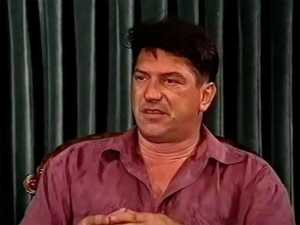
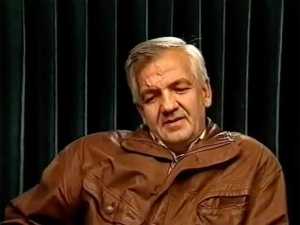
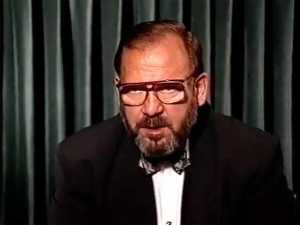
Video Oral History

Faik Kulović
GRENADE LAUNCHER
FC-VOH-99-294 | Video
Selver Porča
HOW TO GET PASS THE DOBRINJA BARICKADE
FC-VOH-99-295 | Video
Stjepan Kljujić
KLJUJIĆ RESIGNS
FC-VOH-99-298 | Video
Sefer Halilović
WARRANT FOR JUKA’S ARREST ISSUED
FC-VOH-99-299 | Video
Pero Butigan
RED CROSS CONVOY FORBIDDEN TO LEAVE
FC-VOH-99-301 | Video
Amila Glamočak
PREMIERE OF “HAIR”
FC-VOH-99-302 | Video
Arif Smajkić
WOUNDED ARE WAITING TO LEAVE THE CITY
FC-VOH-99-306 | Video
Željko Varunek
FIRST DAY WITHOUT CASUALTIES
FC-VOH-99-307 | Video
Zlatko Dizdarević
HOLLYWOOD CREW AT “OSLOBOĐENJE”
FC-VOH-99-308 | Video
Gordana Šerić
ADVICE FOR SURVIVAL
FC-VOH-99-310 | Video
Muhamed Kreševljaković
OFFICIAL TALKS WITH MORILLON
FC-VOH-99-303 | Video
Hasib Salkić
FAMILY ECONOMIC CHAIN
FC-VOH-99-309 | Video
Juraj Martinović
SLOVENIANS FLEE TO SLOVENIA
FC-VOH-99-304 | Video
Sejo Alić
HOW TO GET PASS THE DOBRINJA BARICKADE
FC-VOH-99-296 | Video
Sefer Halilović
RED CROSS CONVOY FORBIDDEN TO LEAVE
FC-VOH-99-300 | Video