
Bosnia language flag

Chronology → Video Oral History

The Siege of Sarajevo 1992–1996

This Interactive FAMA Project integrates the documented chronology of the Siege of Sarajevo with first-hand testimonies within a single interface.

The material can be explored month by month by selecting any point between March 1992 and March 1996. For each chosen month, the user can review the corresponding textual chronology alongside video oral history interviews from the same period. By aligning the chronology of events with personal experiences, the platform enables a more layered, contextual exploration of how the siege unfolded over time.

The Siege of Sarajevo: Chronology 1992-1996

Compiled shortly after the war, this comprehensive chronology of the Sarajevo siege covers the period from March 1992 to March 1996. Structured by month and year, it draws on articles from the "Oslobođenje" newspaper, UN archives, reports from foreign correspondents, and citizen testimonies to document key social, political, military, cultural, and personal events of that time. By recording major developments and everyday survival, the chronology remains a vital reference for understanding how the siege unfolded and transformed every aspect of city life.

Oral History: The Siege of Sarajevo 1992-1996, video

Structured chronologically and thematically, this is the first and largest video oral history of the Sarajevo siege in the world, featuring nearly 1,000 interviews with over 450 citizens from diverse backgrounds. Produced soon after the war, it presents personal testimonies covering all aspects of life in the besieged city. This 30-hour collection serves as both an educational resource and a historical record, offering future generations an unparalleled insight into first-hand accounts of the longest urban siege in modern history.

Chronology → Video Oral History

The Siege of Sarajevo 1992–1996

This Interactive FAMA Project integrates the documented chronology of the Siege of Sarajevo with first-hand testimonies within a single interface.

The material can be explored month by month by selecting any point between March 1992 and March 1996. For each chosen month, the user can review the corresponding textual chronology alongside video oral history interviews from the same period. By aligning the chronology of events with personal experiences, the platform enables a more layered, contextual exploration of how the siege unfolded over time.

The Siege of Sarajevo: Chronology 1992-1996

Compiled shortly after the war, this comprehensive chronology of the Sarajevo siege covers the period from March 1992 to March 1996. Structured by month and year, it draws on articles from the “Oslobođenje” newspaper, UN archives, reports from foreign correspondents, and citizen testimonies to document key social, political, military, cultural, and personal events of that time. By recording major developments and everyday survival, the chronology remains a vital reference for understanding how the siege unfolded and transformed every aspect of city life.

Oral History: The Siege of Sarajevo 1992-1996, video

Structured chronologically and thematically, this is the first and largest video oral history of the Sarajevo siege in the world, featuring nearly 1,000 interviews with over 450 citizens from diverse backgrounds. Produced soon after the war, it presents personal testimonies covering all aspects of life in the besieged city. This 30-hour collection serves as both an educational resource and a historical record, offering future generations an unparalleled insight into first-hand accounts of the longest urban siege in modern history.
Chronology

  • Speaking of the peace plan for BiH, Lord Owen announces: “With this division Musilims will not just get the 10% they control but more than they expect.”
  • 300 American Marines are sent to Macedonia.
  • Hunger strike at the City Assembly.
  • Great public interest in the departure of convoys.
  • Jean Cote appointed new Chief Commander of UN troops.
  • A coordination committee established for the local Croat community. Dr. Ante Kovacevic announces: “All those who wish to defend the whole of BiH are welcome.”
  • Vuk and Danica Draskovic, opposition leaders in Belgrade, in prison. Vuk Draskovic launches a hunger strike in protest.
  • Countless barricades set up from Split to Sarajevo. Conducting humanitarian missions becomes impossible.
  • HUNGER in Sarajevo. Gardens and balconies become the only sources of food.
  • A Sarajevan actor says: “Sire, the actors are dying! On stage I act as if I were sated and we will keep on performing even if there are two catafalques on stage in which actors are truly dying.”
  • Russian withdraw from Cuba, having first arrived in 1962.
  • Hunger strikers at the City Assembly lose 1-3kg daily.
  • Sarajevo becomes HELLISH.
  • Although there is no oil, the TV news is still broadcast.
  • Almost all work is suspended at hospitals. There are no diagnoses, and doctors skip tests before operations. Even when there is oil, the generators cannot provide enough power to operate the medical equipment.
  • Lord Owen calls on the BiH government and the President of the Presidency, Alija Izetbegovic, to agree to the division of the country as soon as possible.
  • The Presidency of the City Assembly ends its hunger strike under pressure from doctors and public appeals. Once the strike ends they announce: “Our conditions have not been met, but we’re terminating the strike.”
  • Prices at the market: Cooking oil - 30 DM; 1 kg flour - 10 DM or 2 packs of cigarettes.
  • Convoys prevented from leaving the city.
  • The Draskovics are released from prison, after receiving a visit from Lord Owen who announces this to Slobodan Milosevic.
  • Designer Josip Nose fashions a regulator for gas.
  • Susan Sontag comes to Sarajevo to direct a performance of “Waiting for Godot.”
  • 8,000 new UN soldiers arrive to BiH.
  • Publication of the diary of Sarajevan girl Zlata Filipovic.
  • Promotion of the slogan of the season, months, years, the ultimate slogan of the siege: “With cigarettes you’re never alone”.
  • The famous Nazi war criminal hunter, Simon Wiesenthal, makes an appeal to former camp inmates and members of the resistance movement during the Second World War: “speak out against the barbarism and brutality in Bosnia.”
  • Geneva, July 27, 1993. In Geneva, the peace conference on Bosnia continues. Participants include: Alija Izetbegovic, Slobodan Milosevic, Franjo Tudjman, Mate Boban, Radovan Karadzic. Co-chairs: Lord David Owen and Thorvald Stoltenberg.
  • New rules: Expecting mothers in Sarajevo must bring with them to the hospital when about to give birth: bed sheets, diapers, soap and water. Immediate after giving birth they must go home.
  • The humanitarian organization “Caritas” asks for its own airplane, seeing UNHCR status.
  • Peace negotiations in Geneva: Ceasefire signed and free passage for a convoy of humanitarian aid, as well as non-aggression towards UNPROFOR.
  • The Bosnian Serb Army attacks UN troops, but air strikes are absent.
  • Geneva, July 30, 1993. In Geneva at the peace negotiations, Izetbegovic, Karadzic and Boban order an end to the war. They agree that daily meetings will be held at Sarajevo Airport between the commanders of the armed forces, together with UNPROFOR commanders. Owen and Stoltenberg offer a new compromise peace plan for BiH. Under this plan the country will be divided into three republics, but not along ethnic lines, and will be under loose federal control.
  • Geneva: BiH remains a single country within its existing borders, with three republics not formed exclusively on the basis of nationality.
  • The U.S.A. seeks support from France and the U.K for air strikes to lift the siege of Sarajevo.

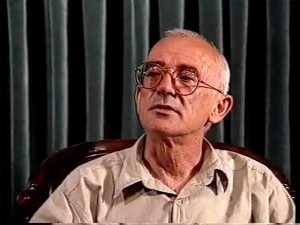
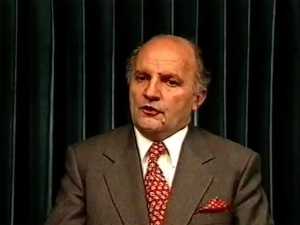
Video Oral History

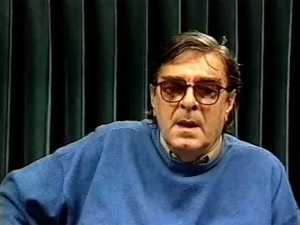
Muhamed Kreševljaković
HUNGER STRIKE IN THE CITY ASSEMBLY
FC-VOH-99-504 | Video
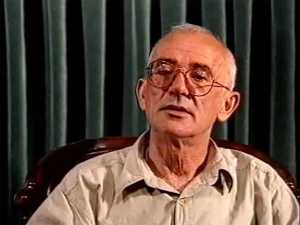
Gordana Šerić
HUNGER IN SARAJEVO
FC-VOH-99-510 | Video
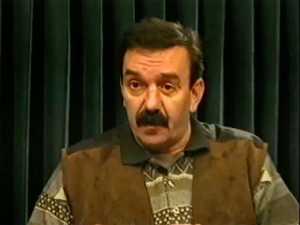
Muhamed Kreševljaković
THOSE ON THE HUNGER STRIKE LOSING 1-3 KG A DAY
FC-VOH-99-511 | Video
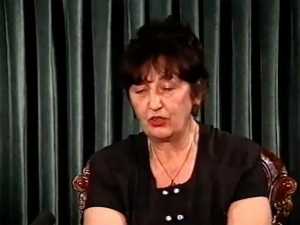
Muhamed Kreševljaković
HUNGER STRIKE ENDS
FC-VOH-99-515 | Video
Arifa Ćosić
ADVICE FOR SURVIVAL
FC-VOH-99-516 | Video
Hajrudin Smajić
CONVOYS TERMINATED
FC-VOH-99-517 | Video
Azem Mehmedović
ADVICE FOR SURVIVAL
FC-VOH-99-519 | Video
Ferida Duraković
ZLATA FILIPOVIĆ’S DIARY PUBLISHED
FC-VOH-99-520 | Video
Jana Grebo
ADVICE FOR SURVIVAL
FC-VOH-99-521 | Video
Sead Fetahagić
ADVICE FOR SURVIVAL
FC-VOH-99-522 | Video
Admir Glamočak
SIR; ACTORS ARE DYING!
FC-VOH-99-505 | Video
Jakob Finci
HUNGER IN SARAJEVO
FC-VOH-99-506 | Video
Kerim Fazlić
HUNGER IN SARAJEVO
FC-VOH-99-507 | Video
Tomo Knežević
HUNGER IN SARAJEVO
FC-VOH-99-508 | Video
Faruk Kulenović
HOSPITALS ALMOST STOP FUNCTIONING
FC-VOH-99-513 | Video
Faruk Konjhodžić
HOSPITALS ALMOST STOP FUNCTIONING
FC-VOH-99-514 | Video
Josip Nose
GAS REGULATOR IS CONSTRUCTED
FC-VOH-99-518 | Video
Haris Pašović
HIROSHIMA ’45 - MEMORIES
FC-VOH-99-523 | Video
Minka Muftić
HUNGER IN SARAJEVO
FC-VOH-99-509 | Video