
Bosnia language flag

Chronology → Video Oral History

The Siege of Sarajevo 1992–1996

This Interactive FAMA Project integrates the documented chronology of the Siege of Sarajevo with first-hand testimonies within a single interface.

The material can be explored month by month by selecting any point between March 1992 and March 1996. For each chosen month, the user can review the corresponding textual chronology alongside video oral history interviews from the same period. By aligning the chronology of events with personal experiences, the platform enables a more layered, contextual exploration of how the siege unfolded over time.

The Siege of Sarajevo: Chronology 1992-1996

Compiled shortly after the war, this comprehensive chronology of the Sarajevo siege covers the period from March 1992 to March 1996. Structured by month and year, it draws on articles from the "Oslobođenje" newspaper, UN archives, reports from foreign correspondents, and citizen testimonies to document key social, political, military, cultural, and personal events of that time. By recording major developments and everyday survival, the chronology remains a vital reference for understanding how the siege unfolded and transformed every aspect of city life.

Oral History: The Siege of Sarajevo 1992-1996, video

Structured chronologically and thematically, this is the first and largest video oral history of the Sarajevo siege in the world, featuring nearly 1,000 interviews with over 450 citizens from diverse backgrounds. Produced soon after the war, it presents personal testimonies covering all aspects of life in the besieged city. This 30-hour collection serves as both an educational resource and a historical record, offering future generations an unparalleled insight into first-hand accounts of the longest urban siege in modern history.

Chronology → Video Oral History

The Siege of Sarajevo 1992–1996

This Interactive FAMA Project integrates the documented chronology of the Siege of Sarajevo with first-hand testimonies within a single interface.

The material can be explored month by month by selecting any point between March 1992 and March 1996. For each chosen month, the user can review the corresponding textual chronology alongside video oral history interviews from the same period. By aligning the chronology of events with personal experiences, the platform enables a more layered, contextual exploration of how the siege unfolded over time.

The Siege of Sarajevo: Chronology 1992-1996

Compiled shortly after the war, this comprehensive chronology of the Sarajevo siege covers the period from March 1992 to March 1996. Structured by month and year, it draws on articles from the “Oslobođenje” newspaper, UN archives, reports from foreign correspondents, and citizen testimonies to document key social, political, military, cultural, and personal events of that time. By recording major developments and everyday survival, the chronology remains a vital reference for understanding how the siege unfolded and transformed every aspect of city life.

Oral History: The Siege of Sarajevo 1992-1996, video

Structured chronologically and thematically, this is the first and largest video oral history of the Sarajevo siege in the world, featuring nearly 1,000 interviews with over 450 citizens from diverse backgrounds. Produced soon after the war, it presents personal testimonies covering all aspects of life in the besieged city. This 30-hour collection serves as both an educational resource and a historical record, offering future generations an unparalleled insight into first-hand accounts of the longest urban siege in modern history.
Chronology

  • New York, March 1, 1993. Peace negotiations resume in New York. The participants include the respresentative of the Bosnian Serbs, Radovan Karadzic, the representative of the Bosnian Croats, Mate Boban, and the representative of the BH delegation, Alija Izetbegovic. The peace conference is presided over by Cyrus Vance and Lord Robert Owen.
  • The Public Prosecutor’s Office launches an initiative to extradite Radovan Karadzic to the BiH judiciary.
  • The President of the Presidency of BiH, Alija Izetbegovic, in New York gives his signature to the second part of the Vance-Owen peace plan.
  • Japan sends cans of tuna as humanitarian aid worth a total of $5,800,000 – the most nutritionally valuable food received yet.
  • In Sarajevo an association is founded for cooperation between Bosnia and Austria. Alois Mock sends a telegram of support.
  • A description of events on the airport runway: The nickname for the guide across the runway is “Rabbit.” The runway became a corridor for smuggling and carrying in food in backpacks into the city. Runners wore suits made of white bedsheets so that UNPROFOR couldn’t see them when they shined reflectors. Smugglers broke eggs and poured them through a funnel into a canister so they could carry them across the runway.
  • A European edition of “Oslobodjenje” is released.
  • Renewed work by the Serb humanitarian society “Dobrotvor”.
  • Bosnian Serbs prevent the arrival of representatives of the Republican assembly to the city.
  • “Adra”, an Adventist humanitarian society is the best connection for carrying personal packages into the city.
  • Amid the humanitarian crisis in Srebrenica, French general Morillon remains with the inhabitants of Srebrenica until the humanitarian convoy whose passage was prevented by the Bosnian Serb troops has entered the town.
  • A rock concert in Sarajevo is held, “Help Bosnia Now!”
  • The International Center for Peace invites mayors of cities across the world to protest the division of the city.
  • In the city, wall advertisements allow citizens to learn about the supply and demand for goods of all kinds.
  • 85% of the BH economy is destroyed.
  • In New York, the BH delegation suspends negotiations while the Bosnian Serb attacks on Srebrenica and Sarajevo last. New York, March 19, 1993. In New York, President Izetbegovic halts peace negotiations. He informs the co-chairs of the peace conference, Vance and Owen, that he cannot continue the peace negotiations while Serb aggression against Srebrenica intensifies and their fierce attack on Sarajevo continues.
  • In Sarajevo, the trial against Bosnian Serb Borislav Herak for crimes against humanity. The presiding judge is Fahrudin Teftedarija.
  • In Kamerni teatar 55, safe from shelling, a concert is held - “The Most Beautiful Melodies in the World”.
  • Spring arrives earlier than usual: on March 20th, at 3:42pm.
  • French general Morillon, UNPROFOR commander, becomes an honorary citizen of Srebrenica. On that occasion he announces: “I feel like a king, the people worship me.”
  • Humanitarian aid arrives in Srebrenica. The citizens of Srebrenica stampede toward air dropped humanitarian aid. Many are killed, suffocated or trampled.
  • NATO estabslishes control over the Adriatic Sea.
  • Heavy artillery attacks on the city.
  • The Children’s Embassy awards their mascot, ”Zlatni cupko” to General Morillon.
  • The USA will participate in maintaining peace if the warring sides agree to a peace process.
  • NATO will send 60,000 soldiers if a peace agreement is reached.
  • New York, March 26, 1993. Negotiations on BiH are completed in New York. The President of the Presidency of BiH, Alija Izetbegovic, signs documents and maps as well as an interim resolution for the Republic of BiH, the Vance-Owen peace plan. The interim solution is also signed by the leader of Bosnian Croats, Mate Boban. Radovan Karadzic refuses to sign either agreement.
  • The President of the Presidency of BiH, Alija Izetbegovic, accepts the Vance-Owen plan. President Bill Clinton congratulations him on this prudent move.
  • A ceasefire is declared. It begins at twelve o’clock.
  • Kamerni teatar 55 holds a “Prayer for Peace”.
  • The Bosnian Serbs oppose German participation in Operation “Parachute” to deliver humanitarian aid.
  • The Bosnian Serbs are given a deadline of 10-15 days to sign a peace agreement. Russia applies diplomatic pressure on them. Alija Izetbegovic announces: “The plan is bad, but the best for ending the war in Bosnia and Herzegovina.”
  • The Serb Cultural Society “Prosvjeta” renews its work in Sarajevo.

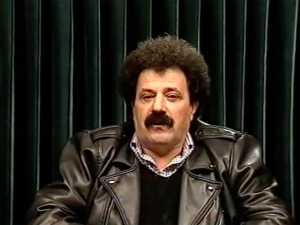
Video Oral History

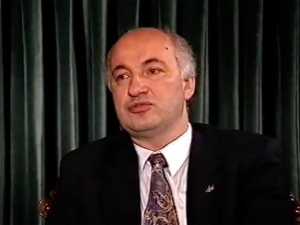
Irfan Durmić
48 HOURS IN WAITING AREA
FC-VOH-99-424 | Video
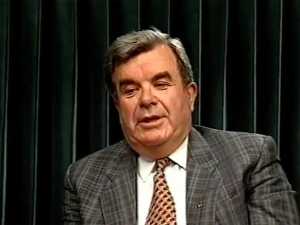
Zlatko Dizdarević
WAR DIARY IS PUBLISHED
FC-VOH-99-426 | Video
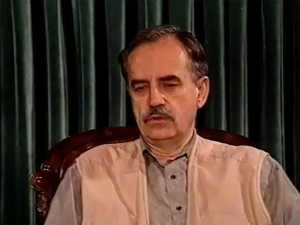
Želimir-Čičak Altarac
GIVE PEACE A CHANCE!
FC-VOH-99-429 | Video
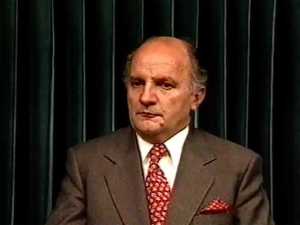
Radmila Stojadinović
GENERAL MORILLON FROM THE PERSONAL POINT OF VIEW
FC-VOH-99-434 | Video
Stjepan Šiber
CEASEFIRE AT NOON
FC-VOH-99-435 | Video
Sulejman Hodžić
SISYPHUS’ JOB
FC-VOH-99-425 | Video
Mijo Baban
ADRA BRINGS PARCELS INTO THE CITY
FC-VOH-99-428 | Video
Ibro Spahić
CULTURAL DEFENSE OF SARAJEVO
FC-VOH-99-430 | Video
Haris Haznadarević
FURNITURE COMMERCIALS
FC-VOH-99-431 | Video
Fahrudin Teftedarija
HERAK TRIAL
FC-VOH-99-432 | Video
Sabahudin Kurt
FIRST WAR TANGO
FC-VOH-99-436 | Video
Mehmed Halilović
SWEDISH AWARD FOR “OSLOBOĐENJE”
FC-VOH-99-437 | Video
Jakob Finci
LAST JEWISH CONVOY LEAVES THE CITY
FC-VOH-99-438 | Video