
| 1. | PROLOGUE |
| 2. | BACKGROUND |
| 3. | PERCEPTIONS - THEN & NOW |
| 3.1. | Enes Zlatar Bure |
| 3.2. | Nedžad Begović |
| 3.3. | Una Bejtović |
| 3.4. | Amina Begović |
| 3.5. | Adi Sarajlić |
| 3.6. | Sabrina Begović-Ćorić |
| 3.7. | Srđan Jevđević |
| 3.8. | Haris Pašović |
| 3.9. | Vesna Mišanović |
| 3.10. | Amra Zulfikarpašić |
| 3.11. | Amina Begović |
| 3.12. | Fuad Babić |
| 3.13. | Riad Ljutović |
| 3.14. | Prof. Rešad Arnautović |
| 3.15. | Arijana Saračević Helać |
| 3.16. | Selma Hodžić / Sanina Rizvanbegović |
| 3.17. | Prof. Ognjenka Finci |
| 3.18. | Ferida Duraković |
| 3.19. | Dr. Bakir Nakaš / Dr. Vesna Čengić |
| 3.20. | Mladen Jeličić Troko |
| 3.21. | Maja Tulić |
| 3.22. | Dragan Rokvić |
| 3.23. | Šemsa Mehmedović |
| 3.24. | Adnan Harambašić |
| 4. | INTERACTIVE SURVIVAL MAP |
| 5. | REFERENCES |
|
The Art of Survival #2
AHEAD OF FEAR |
|
The Art of Survival #1
MAPPING A BESIEGED CITY |
| 1. | PROLOGUE |
| 2. | BACKGROUND |
| 3. | PERCEPTIONS - THEN & NOW |
| 3.1. | Enes Zlatar Bure |
| 3.2. | Nedžad Begović |
| 3.3. | Una Bejtović |
| 3.4. | Amina Begović |
| 3.5. | Adi Sarajlić |
| 3.6. | Sabrina Begović-Ćorić |
| 3.7. | Srđan Jevđević |
| 3.8. | Haris Pašović |
| 3.9. | Vesna Mišanović |
| 3.10. | Amra Zulfikarpašić |
| 3.11. | Amina Begović |
| 3.12. | Fuad Babić |
| 3.13. | Riad Ljutović |
| 3.14. | Prof. Rešad Arnautović |
| 3.15. | Arijana Saračević Helać |
| 3.16. | Selma Hodžić / Sanina Rizvanbegović |
| 3.17. | Prof. Ognjenka Finci |
| 3.18. | Ferida Duraković |
| 3.19. | Dr. Bakir Nakaš / Dr. Vesna Čengić |
| 3.20. | Mladen Jeličić Troko |
| 3.21. | Maja Tulić |
| 3.22. | Dragan Rokvić |
| 3.23. | Šemsa Mehmedović |
| 3.24. | Adnan Harambašić |
| 4. | INTERACTIVE SURVIVAL MAP |
| 5. | REFERENCES |
|
The Art of Survival #2
AHEAD OF FEAR |
|
The Art of Survival #1
MAPPING A BESIEGED CITY |

3.12.
Fuad Babić
"People were dying in large numbers"
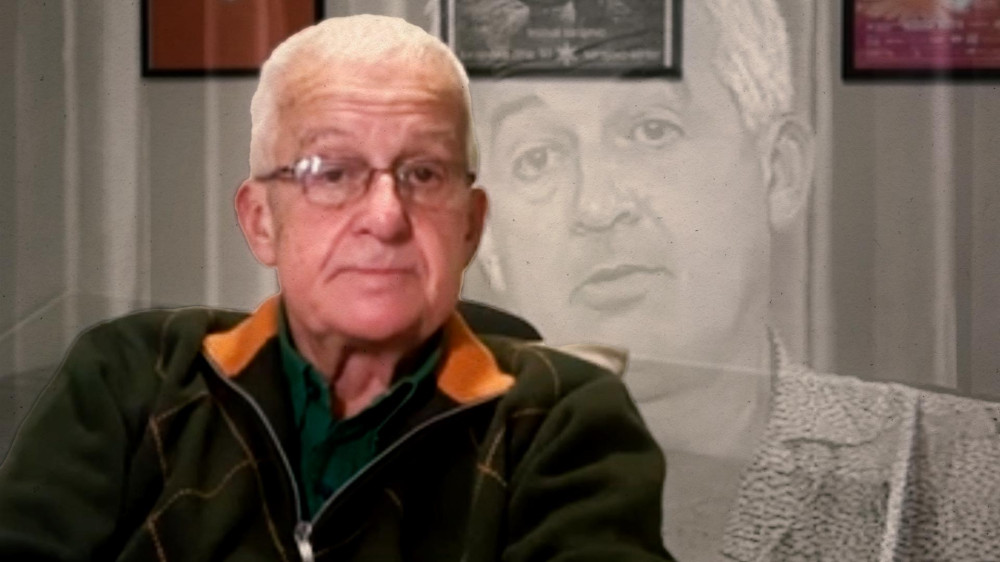
In order to be able to move through dangerous zones, the citizens of Sarajevo and civil protection during the siege found different solutions for "protection" from grenades and sniper fire. Transport containers, wrecks of old cars, trucks, buses were placed at major intersections, thoroughfares, and squares. Between some buildings, large canvases were placed as a protection for passers-by. These solutions mainly represented visual protection, and did not guarantee safe movement on the streets. Fuad Babić talks about the importance of setting up visual protection for passers-by, but also about the real risks of this type of protection for citizens.
Then...
"Every 15 days we moved those containers to different positions, depending on where the snipers were shooting."
Now...
"This visual anti-sniper protection was reflected in the installation of curtains, foils that covered the intersections in the city of Sarajevo, where the people passed the most, and which were within the sniper's range."
© FAMA Collection; Oral History: 'The Siege of Sarajevo 1992-1996'
Then...
„September 17, 1994 was, I tell you, those containers, and every 15 days we moved them to different positions, depending on where the snipers were shooting. As they found holes in the protection of some part of the city, so we put those containers. September 17, 1994 it was at The Marijin Dvor crossing was the most difficult crossing to protect from snipers. Why? Because the Marijin Dvor crossing was very elongated and hundreds of containers would have been needed to accomplish something. And the people who lived there, in Istarska Street and behind the Faculty of Philosophy simply couldn’t go anywhere. To get the basic foodstuffs. The food was distributed in Albanska Street, in the community hall. It means that somebody from Istarska Street had to cross that awful, wide, huge Marijin Dvor crossing to get food in order to survive. That’s why we asked the UNPROFOR to position those containers there. Unfortunately, I think it was that September, a French soldier was killed. It was that young man, 19 years old, who drove that forklift. And he was killed when a sniper waited for him to lower the container and shot him in the head. I think this was filmed. Actually it was televised live, an example of a real murder. On top of all those murders when our people got killed, now we had that foreigner who was killed.“ - Fuad Babić, Commander of the Civil Defense
© FAMA Collection; Macro Story: 'The Siege of Sarajevo - Then & Now'
Now...
"Anti-sniper protection, de facto visual protection, was initiated by UNPROFOR and some other institutions in the city of Sarajevo. To put it mildly, I can say that this visual anti-sniper protection did not really help us much.People continued to die, and they were dying in large numbers. So I can't say for sure, maybe she saved someone. It probably is. But people, I repeat, still died. This visual anti-sniper protection was reflected in the installation of curtains, foils that covered the intersections in the city of Sarajevo, where the people passed the most, and which were within the sniper's range. When we talk about localities that were covered by sniper activity, it is, for example, Maksima Gorkog Street, Marijin Dvor, Nedžarići and Dobrinja. De facto, the entire city was covered by sniper activity and people were dying in large numbers." - Fuad Babić, civil engineer and retired expert of the Sarajevo Canton Construction Institute, wartime commander of the Civil Defense of the city of Sarajevo
More on this topic in our Macro Story.