


Perceptions: Then & Now
The first two Knowledge Transfer Modules (KTM) in this series mapped the physical and resilience terrain of the Sarajevo siege experience (1992–1996). The first documented the city's survival geography. The second recorded how individuals responded and adapted to an unthinkable new normal. Now, in this third and final edition, we take a different approach: we return to the same individuals we interviewed for different FAMA projects - those who were exposed to daily terror, and who responded with creativity, ingenuity, and endurance - and we ask them to speak again. They offer different perspectives from today, reflecting on how they understood themselves and their city during the siege, and on what that experience means in a rapidly changing world.
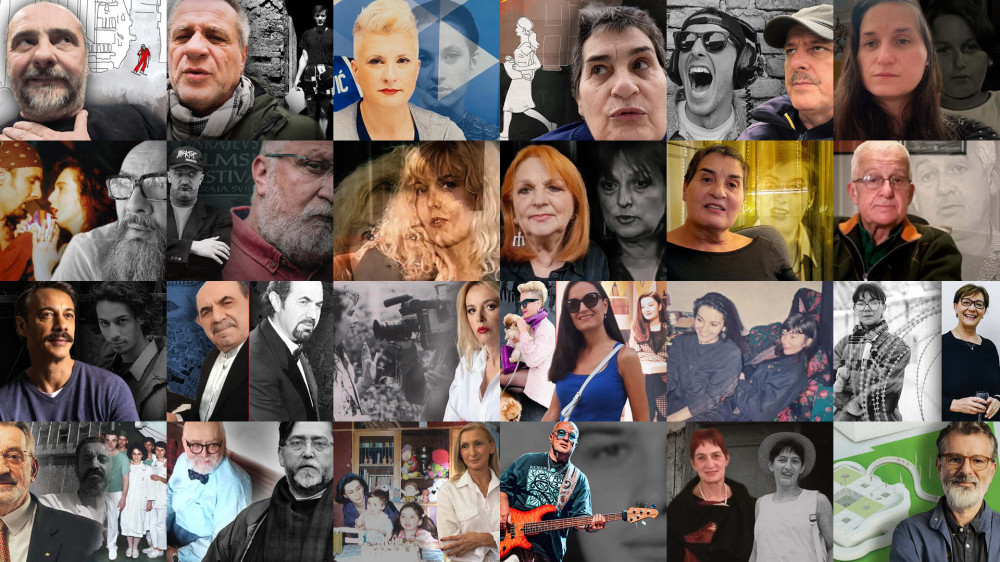
The third KTM edition, The Art of Survival - Perceptions: Then & Now, is built on 24 comparative testimonies. The same people. Two moments in time, separated by decades. What they said then, under siege, is placed alongside what they say now – amplified by the passage of time, transgenerational memory, and a growing sense of shared experience at the global level.
This is not a retrospective exercise. Perception is itself evidence. How a person understood what was happening to them while it was happening and how that same person understands it today reveals something that neither moment alone could offer. The gap between then and now is not a temporal void. It is an opportunity to assess what lived experience under siege means to a world that could not fully grasp its lessons then, and to one that is increasingly confronting its own forms of collective crisis and urgently seeking answers.
The siege of Sarajevo lasted four years. No two people experienced it identically. Yet across all 24 perceptions gathered here, something consistent emerges: an insistence on remembering not as nostalgia, but as responsibility. The citizens of Sarajevo did not simply survive. They observed, interpreted, and adapted - and they continue to do so as we progress through an era of mounting uncertainty and shared global risk.
We believe that these voices, placed in dialogue across time, offer something essential to individuals and societies facing their own unthinkable moments. These people were there then. They are here now. What they said then, and what they say now, are two different kinds of knowledge. But when compared, they offer a unique insight into how perceptions change, remain the same, or adapt over time.