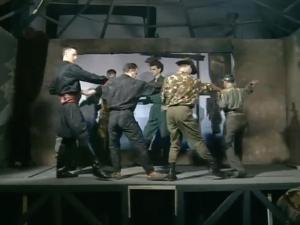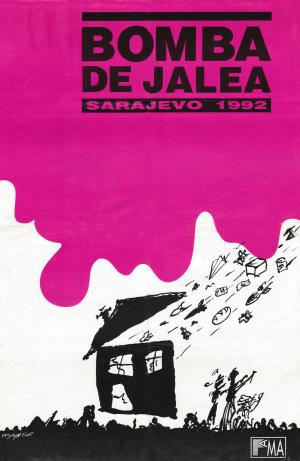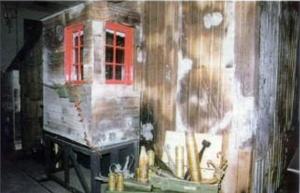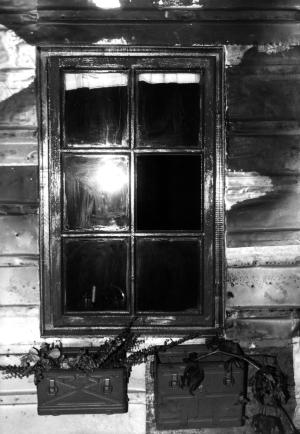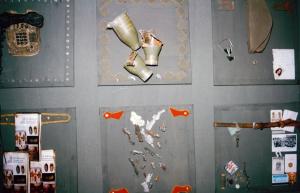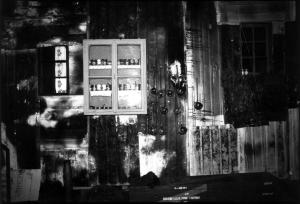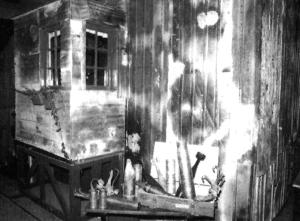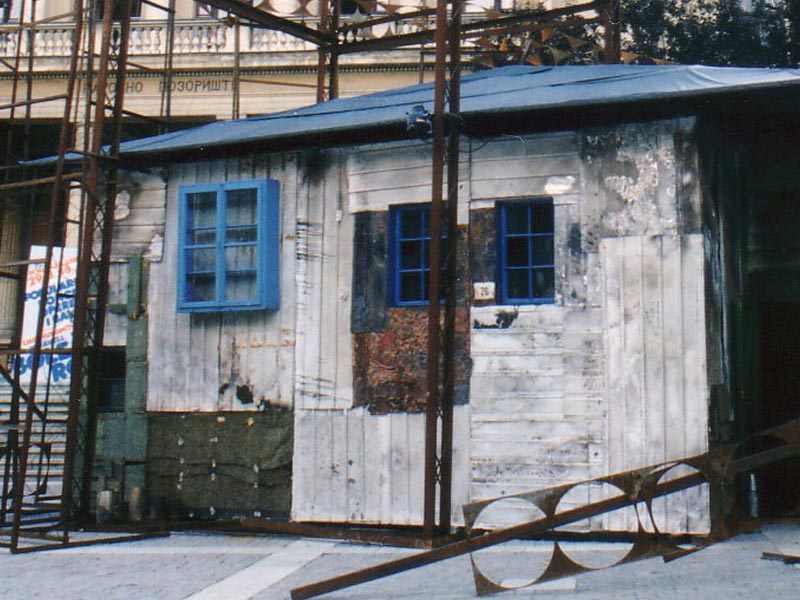

Staged in 1992 during the early months of the siege, this project represented the first collective act of cultural resistance in Sarajevo. The multimedia exhibition was centred around the “Bosnian House” (one of the few structures built during the siege from recycled materials). Combining theatre, art, and fashion with survival artefacts and inventions, the exhibition showcased the ingenuity of citizens faced with relentless terror. The project remains a powerful record of resilience and creativity under impossible conditions.
Two months after the city was completely closed off, it became clear that the new reality (that of destruction, shelling, sniper shooting, deportation, termination of communication, inability to leave the city) had to be accepted as a permanent condition. Accepting a distorted normality as our normality implied a change in the way of thinking as well as a loss of habits, presenting measures of a civilisation that was no more. The need for balance made us realise that we must create as they destroy. And so the process began of establishing a balance between destruction and construction (a Bosnian House was the only structure built in Sarajevo in 1992), between fear and freedom, hunger and creation, cold and work, as the law of survival.
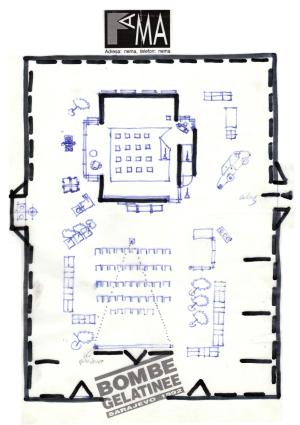
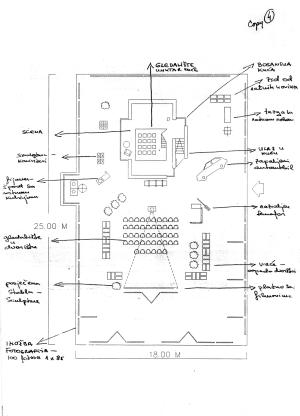
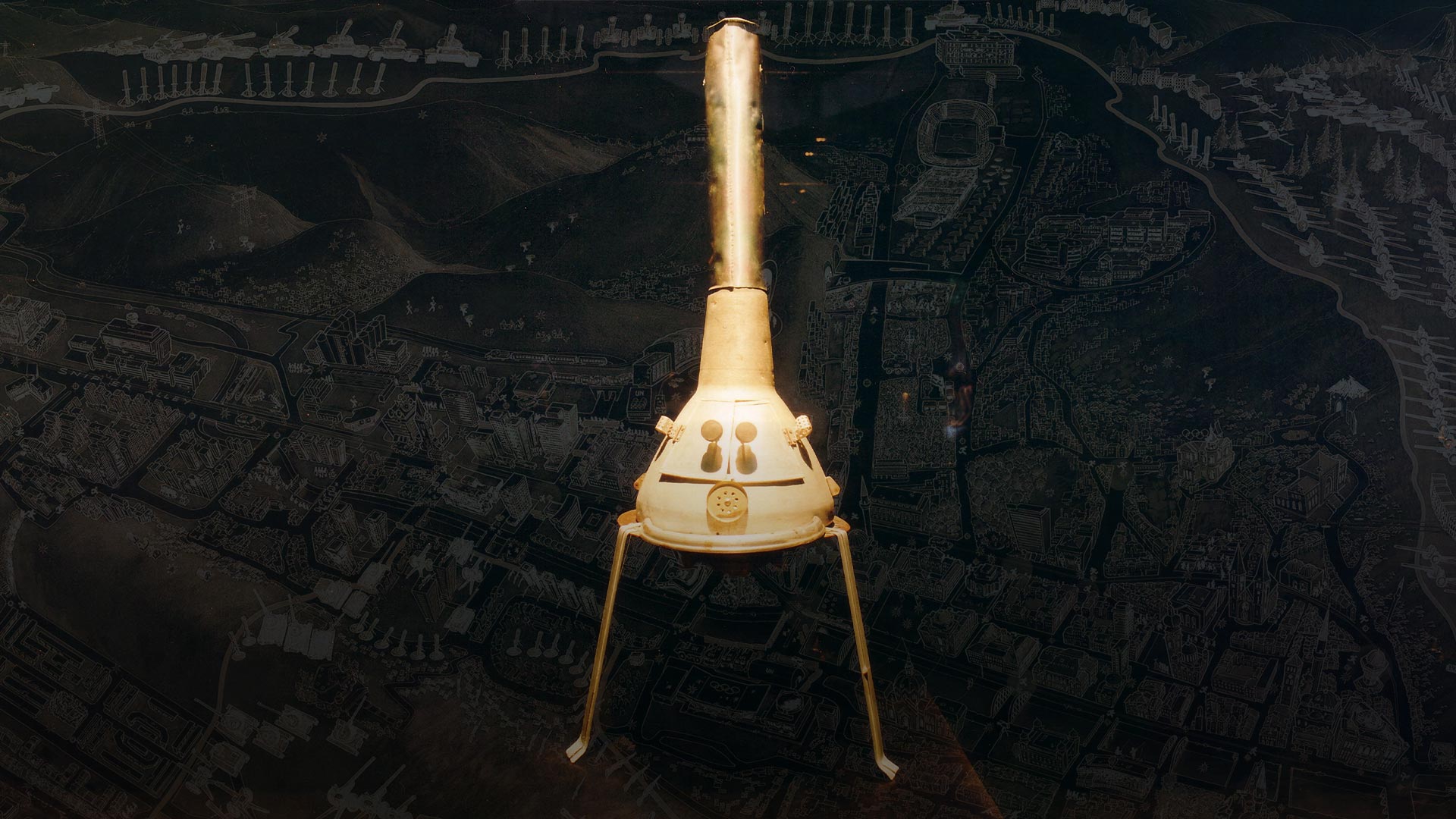
The Survival Art Museum '92 (‘Jelly Bomb’) is part of the FAMA Survival project. The exhibition joins two themes: reconstruction during the siege and the art of survival. The central exhibit is a Bosnian House, the only structure built amidst the general destruction during the siege of Sarajevo. It was constructed from the ruins of the Yugoslav Army barracks and the remains of destroyed houses. The project also includes The Screen of Dreams – films about the pre-war Sarajevo, Bosnian Magic Pots – an exhibition of wartime meals, Mahala fashion – 20 different war uniforms seen around Sarajevo at the time, Water Picnic – an exhibition of water canisters and carts, Stoves of Love – a collection of homemade stoves, Boomerang Weapons – a display of ammunition created from the shells fired on Sarajevo; Shadows in the Darkness – homemade lamps and Survival Guide – Sarajevo.
Note:
Later on, all these projects demonstrated that our chosen method was the key to documenting events, if they were to serve as a valuable contribution to the interpretation and learning about the 1991-1999 period in the former Yugoslavia. Besides its educational role, the project has also proven to be a significant contribution to the processes of truth and reconciliation, as well as to the democratisation process of our post-war society.
| Theme | The Siege of Sarajevo 1992-1996 |
|---|---|
| Research period | 1992 |
| Original Format | A multimedia installation and exhibit, accompanied by public performances in theatre, fashion, music, and film. |
| Language | Bosnian / Croatian / Serbian |
| Project content | At the centre of the installation stood the “Bosnian House” pavilion (a reconstruction of everyday life in a home during the siege) featuring artefacts, artworks, fashion items, and survival innovations. |
| Production | Sarajevo (1992) |
| Note | The museum was built and exhibited inside “Dom Izviđača” (Scout’s Hall) in besieged Sarajevo. Installation and its contents were not preserved. |