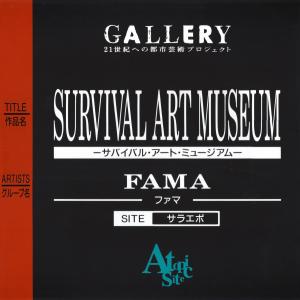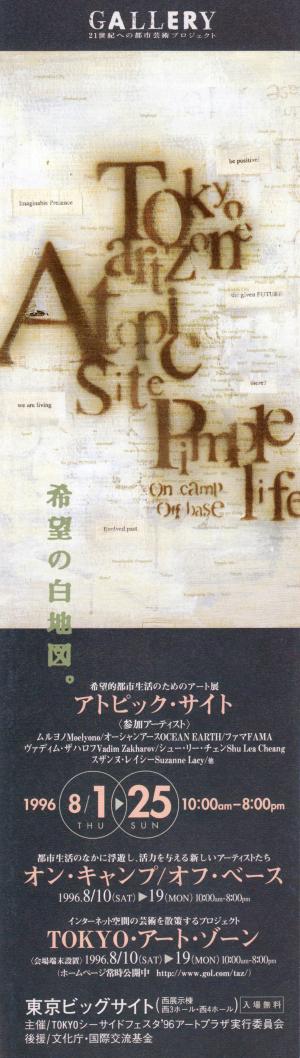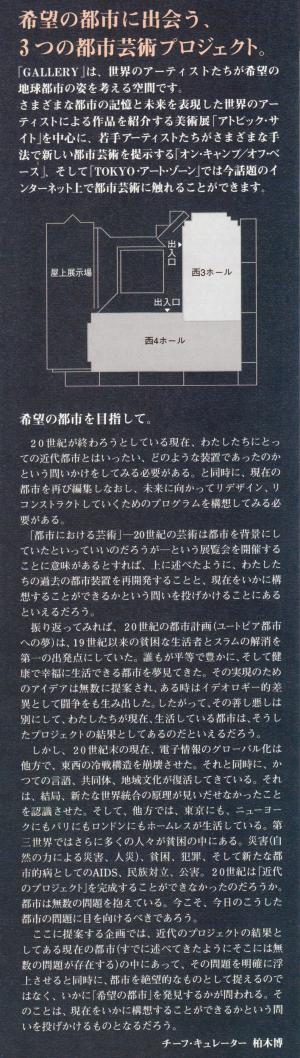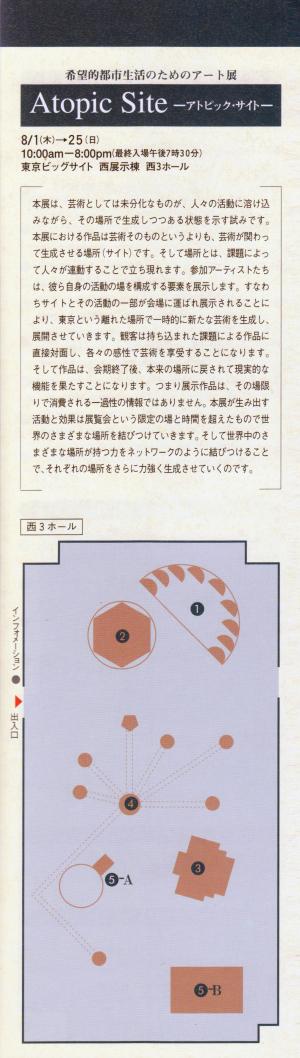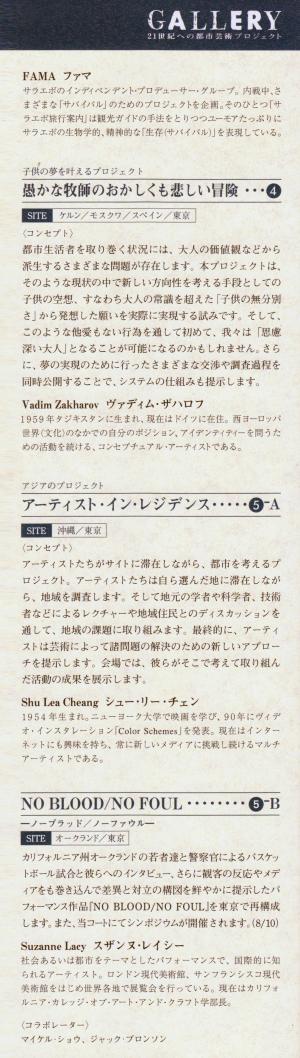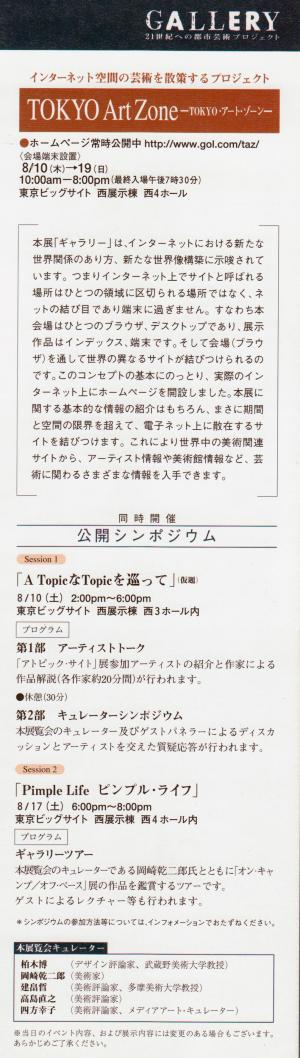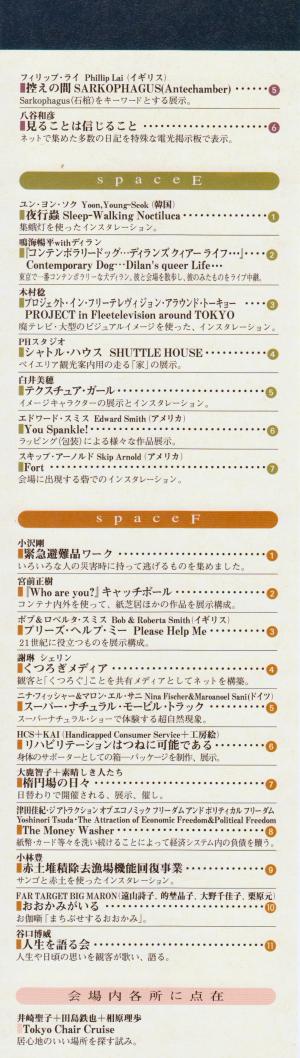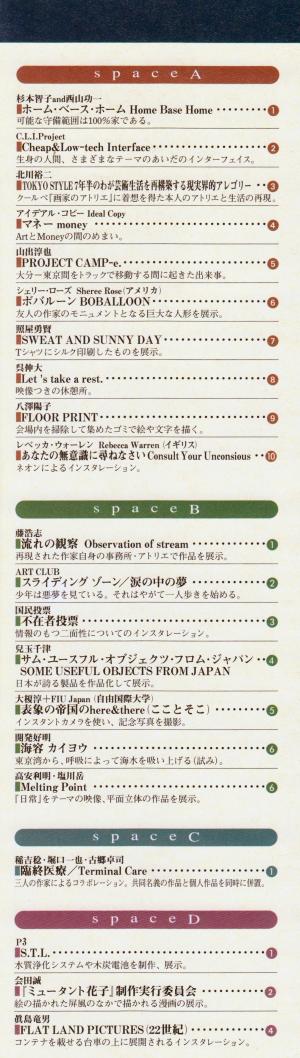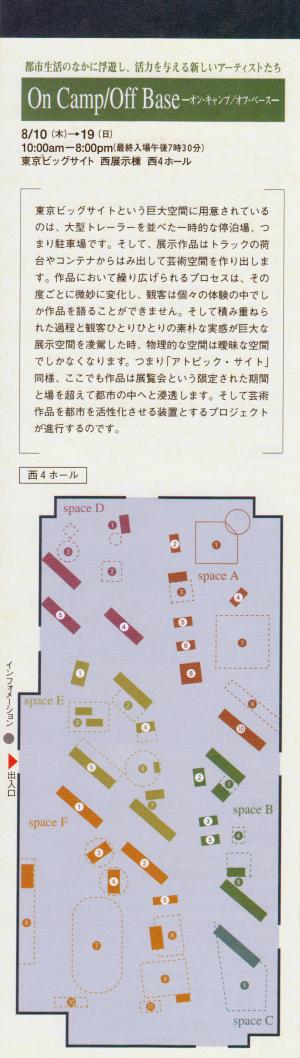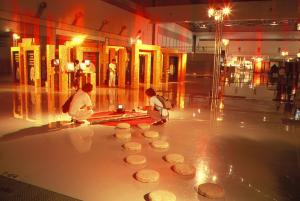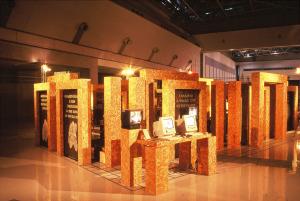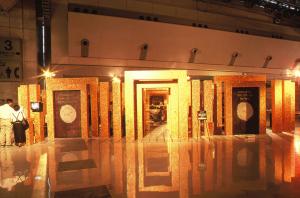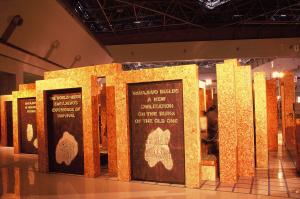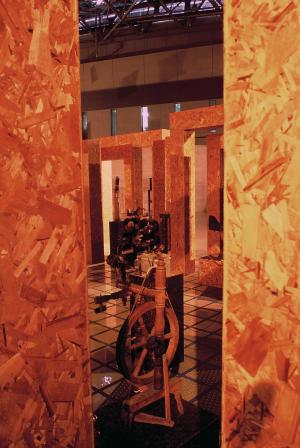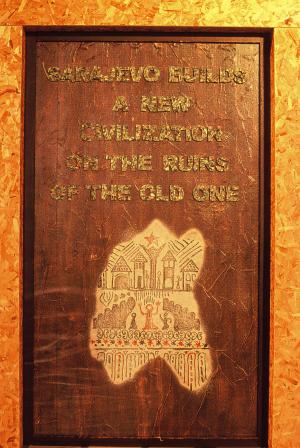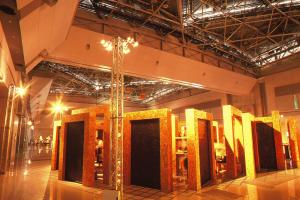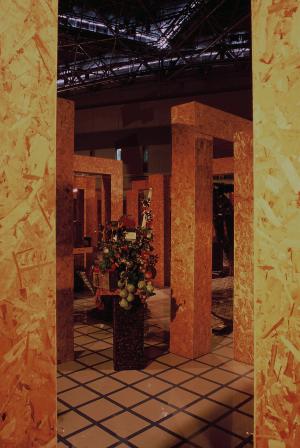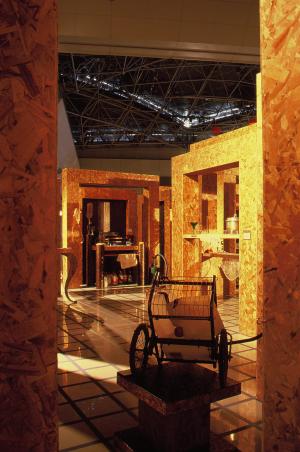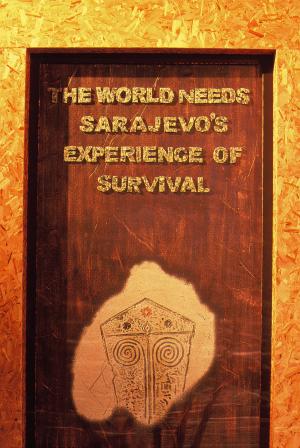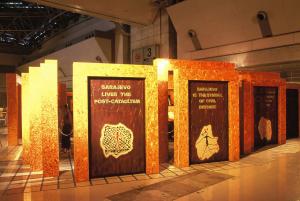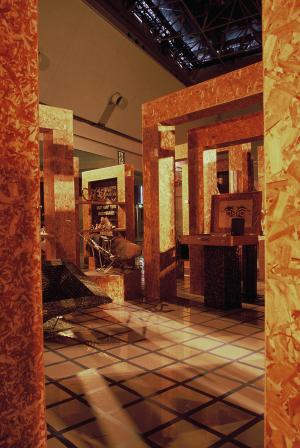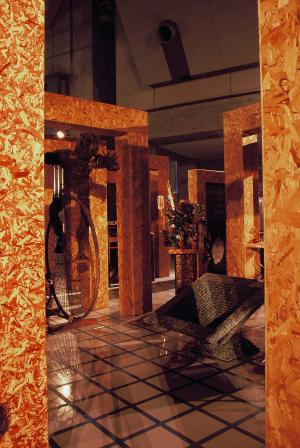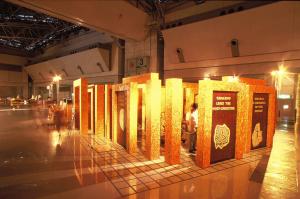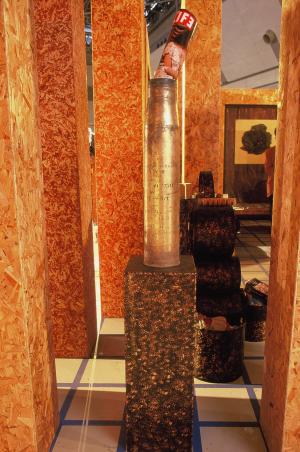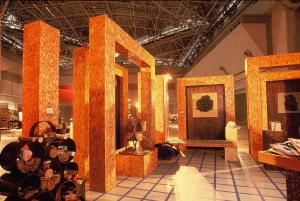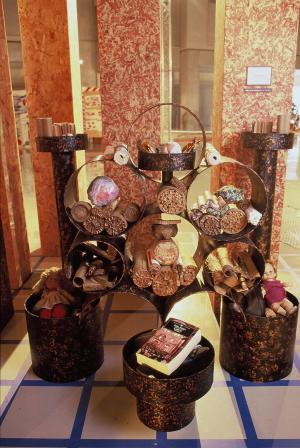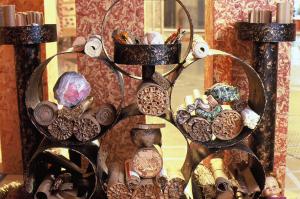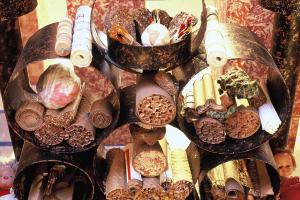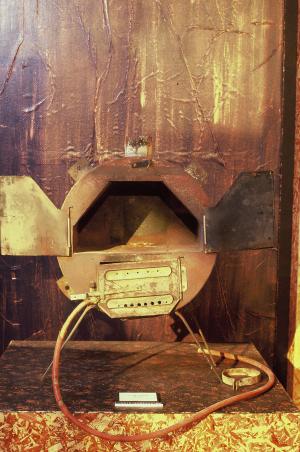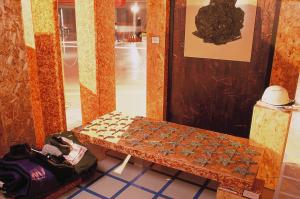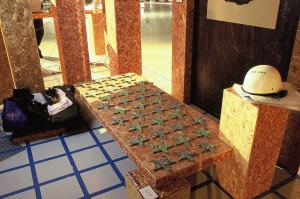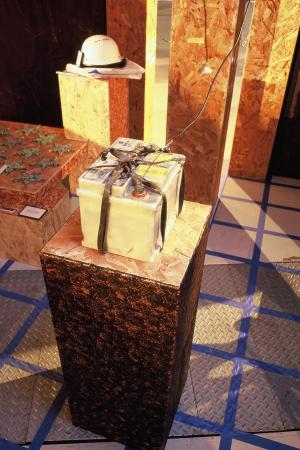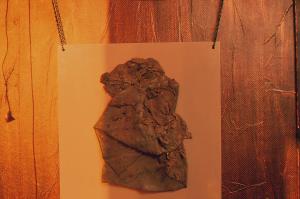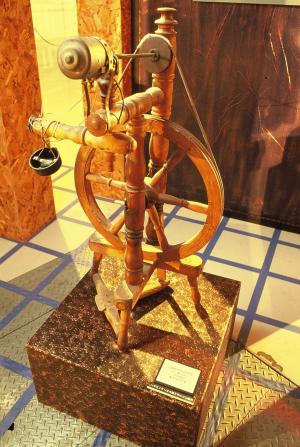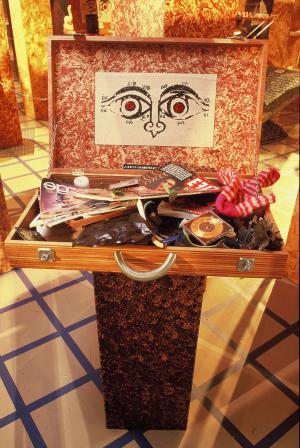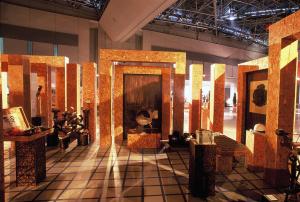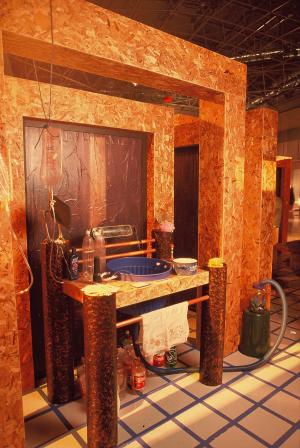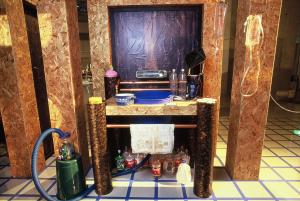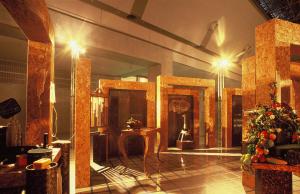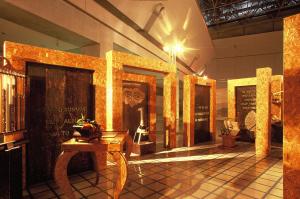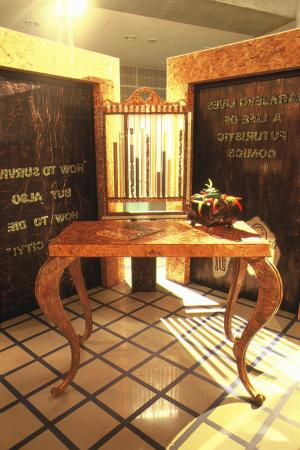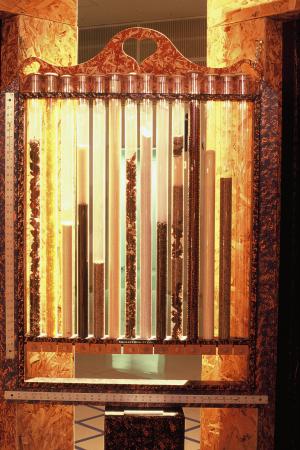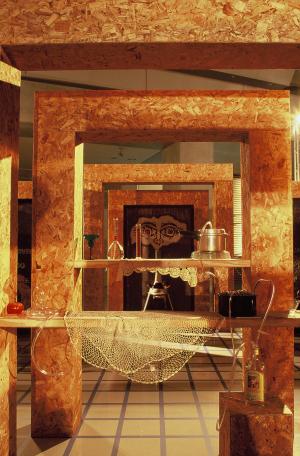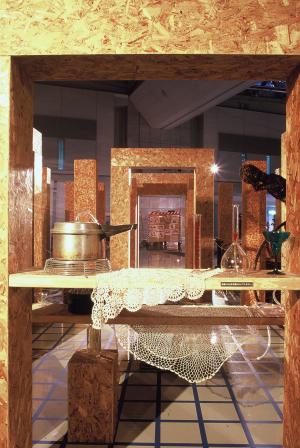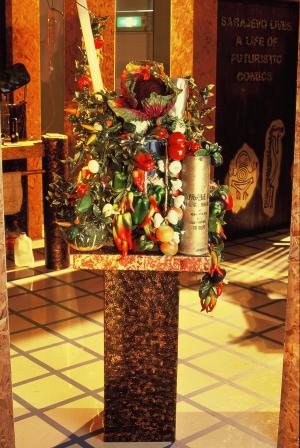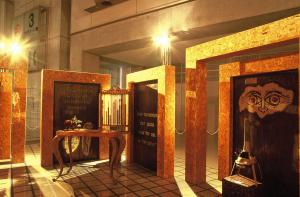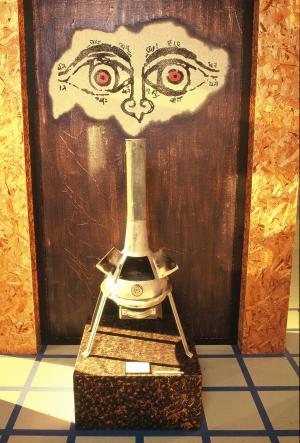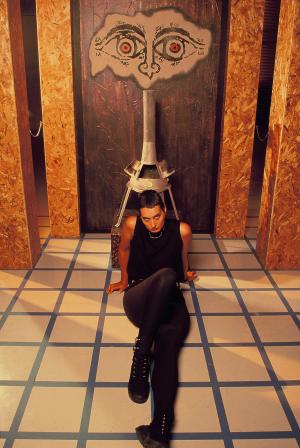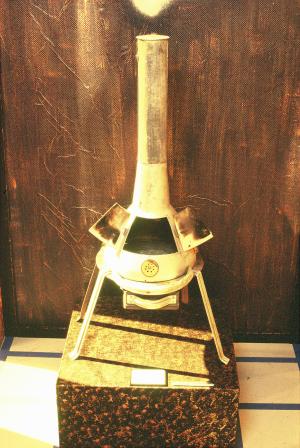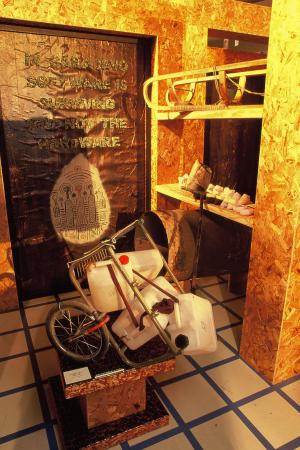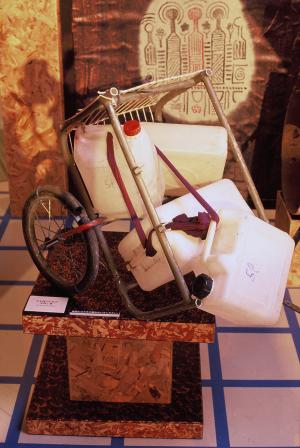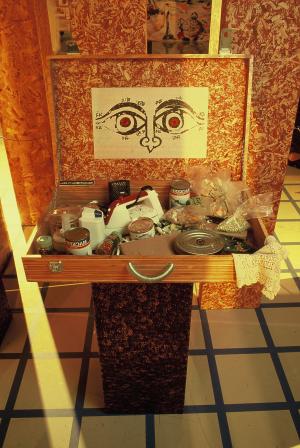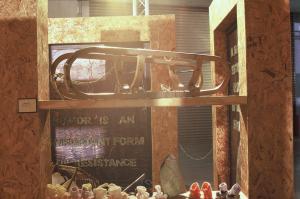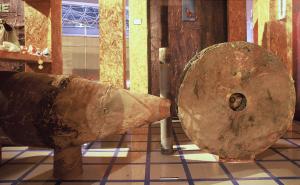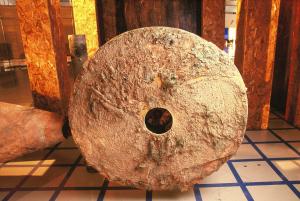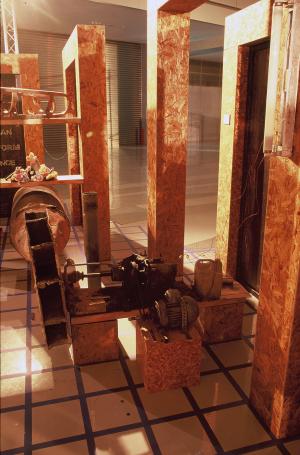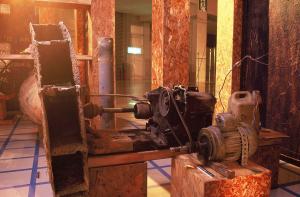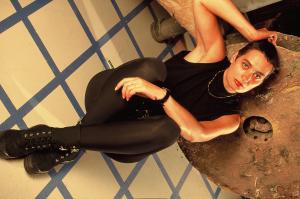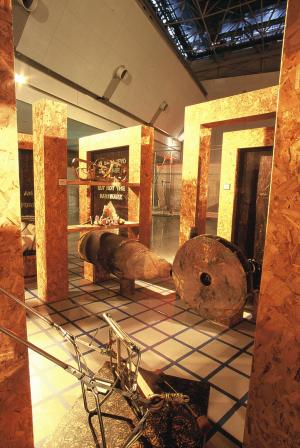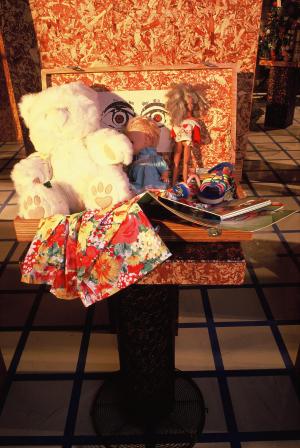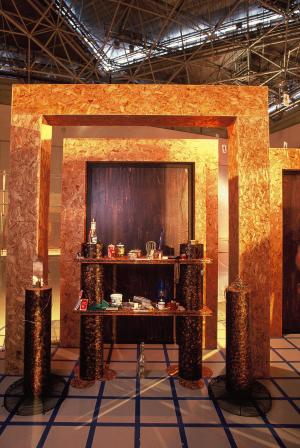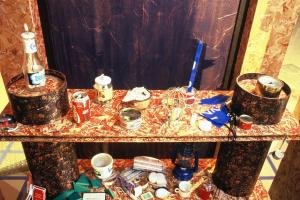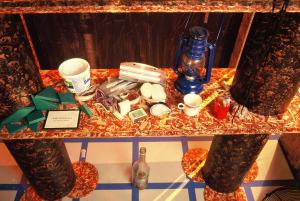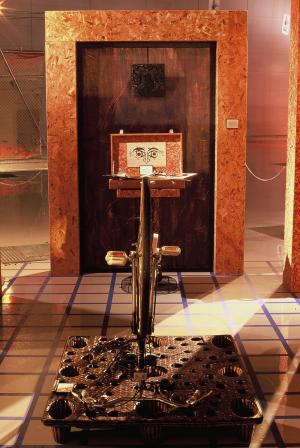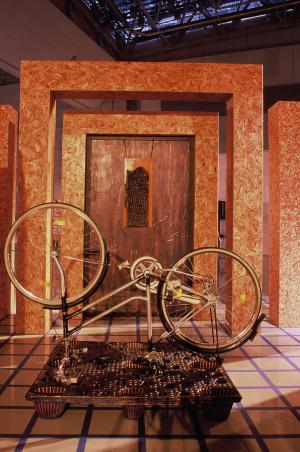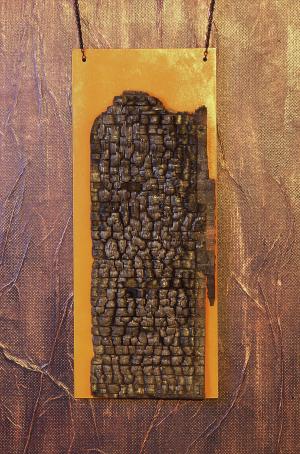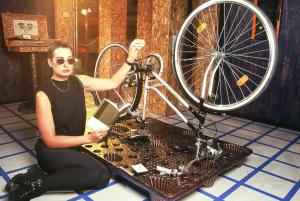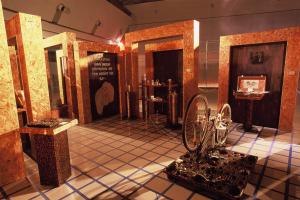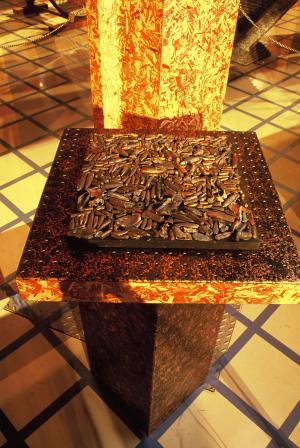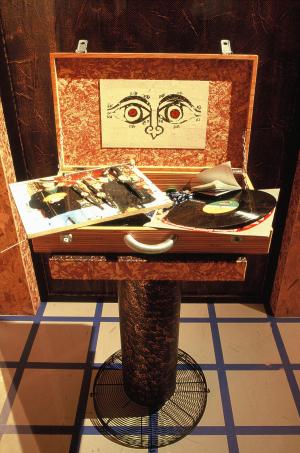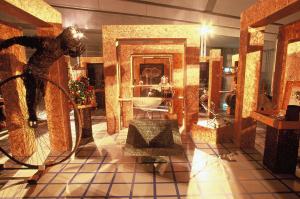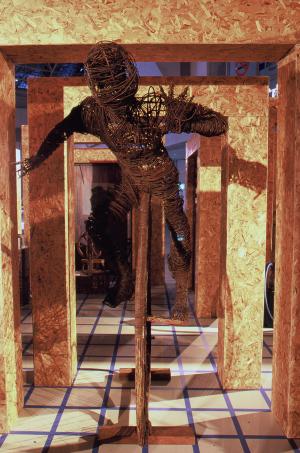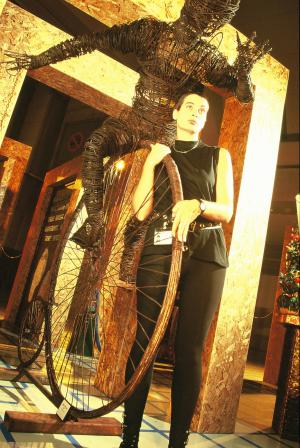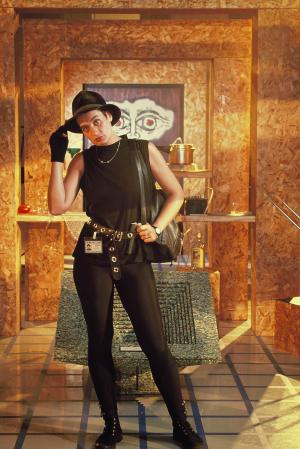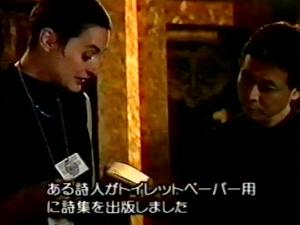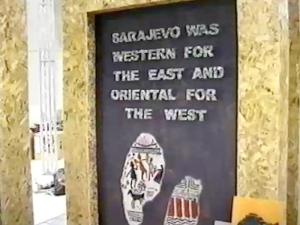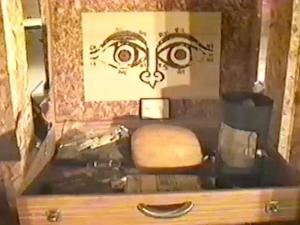

Presented at the Tokyo EXPO ’96, this immersive museum transported visitors into the reality of life inside a house under siege. Featuring original artefacts from Sarajevo, it depicted physical, psychological, and cultural survival through improvised systems for heating, water, food, and electricity using recycled materials. Sarajevo actress Amina Begović guided visitors through interactive installations that attracted over two million people. The museum offered a deeply personal experience, conveying universal lessons on resilience, creativity, and human adaptability.
Two months after the city was completely sealed off, it became clear that the new reality of destruction, shelling, exposure to sniper fire, displacement, severed communications, and the impossibility of leaving the city had to be accepted as a permanent condition. Accepting this inverted normalcy as the new normal meant changing the way we thought and recognising that all previous habits had vanished along with the civilisation that once defined them. In search of balance, we realised: if they destroy, we must build. Thus began the process of restoring equilibrium between destruction and creation, fear and freedom, hunger and creativity, cold and the labour required for survival. The only structure built between 1992 and 1996 was our Bosnian House. The same year Sarajevo was de-blockaded, the Tokyo Metropolitan Government invited us to present the Survival Art Museum in one of the world’s most architecturally advanced venues. They recognised our Bank of Knowledge as a multi-layered survival experience relevant to any urban setting today. They wanted to know how to survive a prolonged catastrophe without the possibility of recovery, even as methods of terror became more sophisticated. This inspired us to refine our original 1992 project, whose core mission had been to free people from fear and create a counterbalance to horror. Designing the exhibition/museum also helped us begin turning experience into knowledge.
Soon after Sarajevo’s blockade was lifted, Tokyo’s city government invited FAMA to participate as the European representative at Tokyo EXPO ’96. This marked the realisation of FAMA’s long-held dream: to present the experience of Sarajevo’s siege to the world.
Additional context
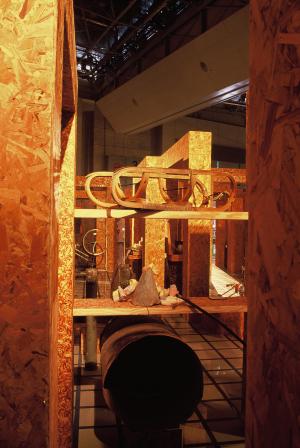
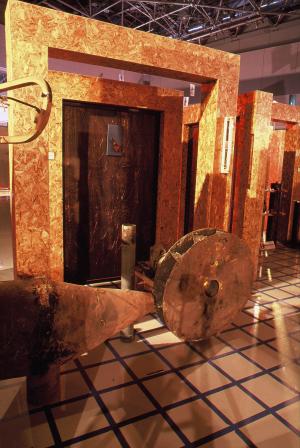
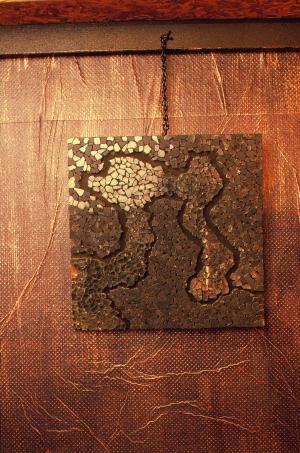
The main goal of the Survival Art Museum '96 exhibition was to present the ingenuity of Sarajevo’s citizens during the siege to a Japanese audience of 2.5 million visitors, and to convey the true meaning of the philosophy of siege. The artefacts themselves, due to their symbolic and practical value, became a form of art and deserved to be preserved as such, especially for any potential post-catastrophe scenarios. Original artefacts were sent from Sarajevo and exhibited within a futuristically designed, modern building.
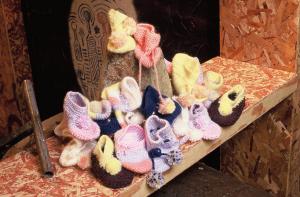
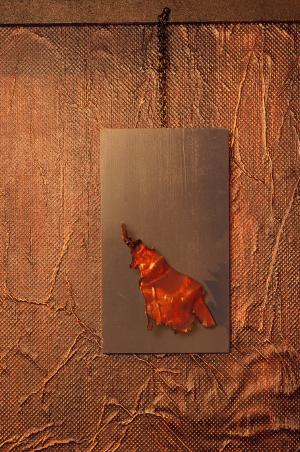
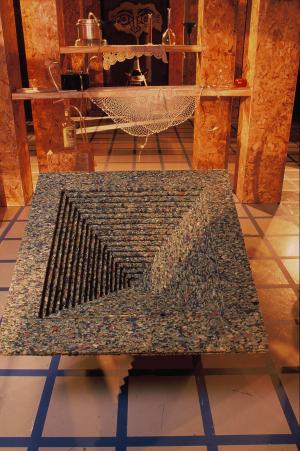
To present the experience as authentically as possible, the entire installation was organised in abstract form as a typical Sarajevo home, where both space and objects transformed their function as the siege progressed. Visitors could explore and engage with the objects, learning about their origins, purposes, and uses. The diverse Japanese audience was able to grasp the meaning of the installation without verbal explanation—the visual power of the artefacts alone was enough to convey the full complexity of the display.
Note:
All of these projects have since demonstrated that this method is key to documenting events if we want our efforts to serve as a meaningful contribution to the interpretation and understanding of the 1991–1999 period in the former Yugoslavia, for both local and global education. This project has already proven and continues to prove its value as a contribution to the process of truth and reconciliation, as well as to the democratisation of post-war society.
| Theme | The Siege of Sarajevo 1992-1996 |
|---|---|
| Research period | 1992-1996 |
| Original Format | Purpose-built pavilion reconstructing life under siege and exhibiting original artefacts from Sarajevo. Displayed at the 1996 Tokyo Expo, Art Zone – Atopic Site. |
| Language | Japanese, English, and Bosnian / Croatian / Serbian |
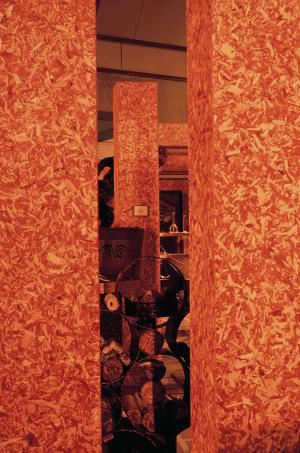
| Project content | The museum (exhibition) pavilion combined modern design with recycled materials, aiming to reconstruct, in an abstract form, a typical Sarajevo home during the siege. Each room presented different aspects of survival – from original artefacts and innovations to the processes of securing electricity, food, water, and heating. |
| Production | Tokyo, Louisville and Sarajevo (1996) |
| Note | The Tokyo Metropolitan Government invited FAMA to present the Survival Art Museum at Tokyo EXPO '96 in partnership with P3, a Tokyo-based art and environmental organisation. |