


The Siege of Sarajevo 1992-1996
“Me and my friends have never lost the will to learn”
Macro Story #33: Hope

Macro story #32 explores the reality lived by the citizens of Sarajevo under siege. Their everyday life was marked by events that before the siege represented normal living conditions anywhere in the world: The arrival of electricity, water or gas in the street during the siege represented life-significant events for each individual, his family or even the entire neighbourhood. What the citizens of Sarajevo had to deal with during the siege were circumstances that were unimaginable before the siege, but became their new normal: distribution of humanitarian aid, shelling of the city, snipers, urban gardens, wounding, killing, cold, constant stress and fear...
In different parts of the city, people lived under different conditions. In 1996, we realized it was time to establish the big picture of life under siege by conducting a survey in ten different parts of the city. Therefore, we digitized 4,637 surveys for our digital platform and received an instant answer to each of the 31 questions from all survey participants. 4,637 responses are considered a significant sample, so frequent responses would be accepted as a conclusion on one topic. Thus, based on the answers in the surveys, we learned that many citizens of Sarajevo continued their studies during the siege of the city, if it was organized, and that they continued their education in the most difficult conditions. This Macro story offers an overview of the answers of the citizens of Sarajevo, in which they talk about their life goals that they did not give up on, and about the hope that was always present.
Although we lived under siege, we were also observers of the phenomenon of the end of an urban civilization (which was Sarajevo at the end of the 20th century) and the establishment of a new civilization that resembled sci-fi movies and the contemporary documentary TV series "Life After People". Observing people who create from very limited resources, exposed to constant threat and various terrors, reduced to moving targets - is an important experience about human nature. We wanted to learn as much as possible about the possibilities of human nature and the mind, which operate freely despite all the limitations of the given situation. From our former life, we knew the American magazine "LIFE" and the statement of Henri Luca, its founder and owner, who in the twentieth century revealed hidden and unknown things to readers. This motivated us to present LIFE in our edition, placing it in the middle of the siege of Sarajevo, a city so isolated and distant from the rest of the world. Today it is an anthropological document about a difficult time and the human struggle to overcome the situation in which they found themselves instead of becoming its victims.
FAMA Methodology presents part of the statements of Sarajevo citizens from the study "Survival Questionnaire" and "Sarajevo LIFE Magazine".
Produced shortly after the war, the "Survival Questionnaire" was the first and remains the only major public opinion survey documenting daily life during the Siege of Sarajevo. Testimonies from 4,637 citizens across all city municipalities revealed a pattern of the difficulty of survival, ingenuity, and resilience. Comprising responses to 31 questions regarding daily routines, innovations, and mental endurance, the digitized surveys offer rare insight into the realities of basic survival. This study deepens our understanding of life under siege by correlating responses based on age, gender, profession, and location within the city. In this section of the Macro story, we highlight the statements of the citizens of Sarajevo about whether their children attended school, whether the students continued their studies, and how parents, when there were no classes, found activities for their children that could help them focus on tomorrow and life without fear.
Micro-District
number of respondents: 357 (7.69% of the total sample of 4,637)

© FAMA Collection; 'Survival Map (The Siege of Sarajevo 1992-1996)'
I didn’t regularly attend the University because of my duties in the army.
I went to school every day. I walked there, and it was very dangerous. The school building was unsafe. There was too much glass, or so it seemed to me then. But my friends and I never lost the will to learn; we even achieved good grades.
I studied, so to speak, in a shortened manner, walking under shells and snipers, in great fear and depression.
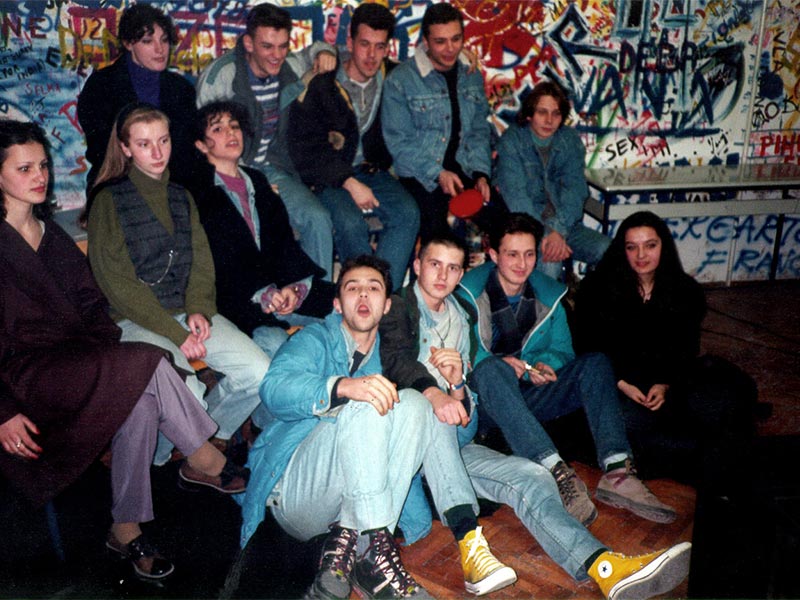
School class, Sarajevo 1992-1996 © FAMA Collection - Visual Archives
I studied normally as before the war, except with grenades and snipers I had to pass on the way to the University.
I studied irregularly. I didn't go to the University throughout the war and only returned at the end of 1994.
I entertained the children in various ways. I told them stories, sang to them, taught them to read and write.
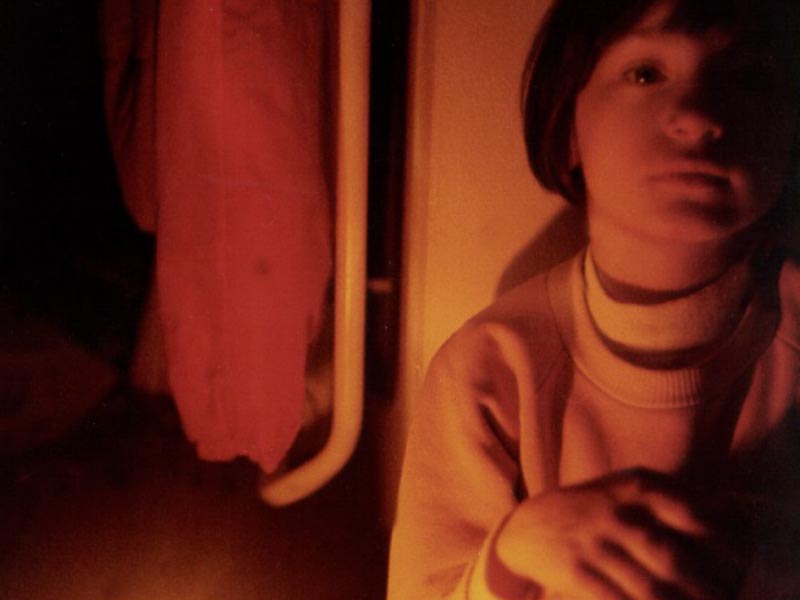
Underground cellar, Sarajevo 1992-1996 © FAMA Collection - Visual Archives 1992-1996
I entertained my son by making him toys (from wood), reading to him, playing board games, and talking with him...
I found it hard to study because I had to go fight at the front lines.
I entertained the children with stories that the war would be over soon and that it was all just a bad dream.
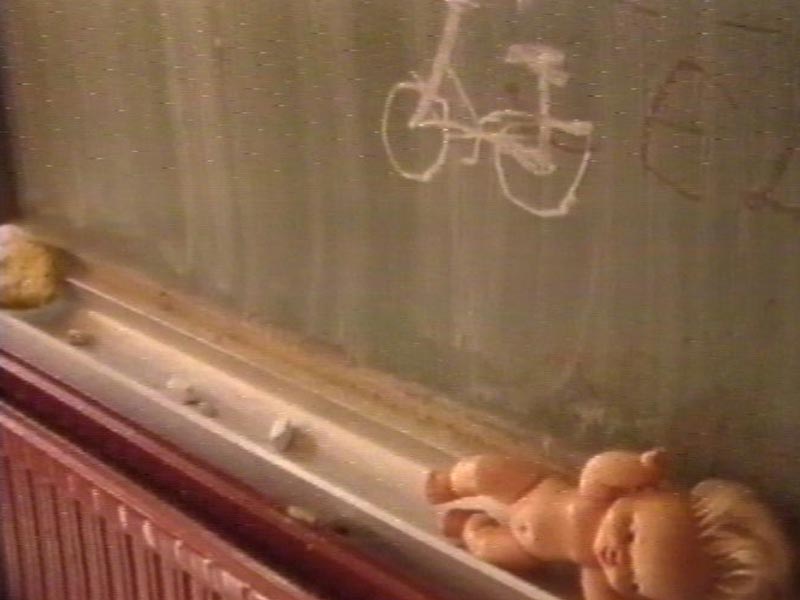
School blackboard, Sarajevo 1992-1996 © FAMA Collection - Visual Archives 1992-1996
I entertained my child by singing and telling stories.
During the first two years of the war, I was alone at home with a couple of friends, revised what we've learned already, and later I went to lectures exposed to the dangers of war.
It was very hard to study, since there were no books and no professors.
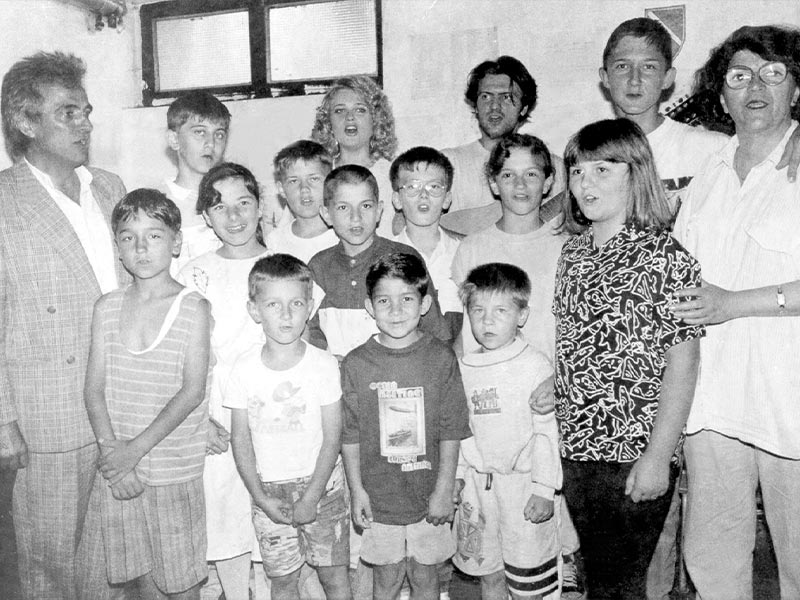
School, Sarajevo 1992-1996 © FAMA Collection - Visual Archives 1992-1996
It was not possible to continue studying. There were no organized lectures, and it was too dangerous to go to the university and look for professors.
I have grandchildren and I played with them and told them fairy tales.
I studied regularly, going through side streets, sprinting across crossroads. I studied and I'm still studying Veterinary Medicine (3rd year).
This anthropological study Resilience in the form of surveys, a redesign of the famous American magazine "LIFE" (which dealt with research and documentation of the new, unknown and, above all, sociologically important for the world as a whole), was made during 1995, during the siege of Sarajevo. Intellectuals and artists of the city under siege answered the eternal questions of good and evil, hope and death, love and survival in difficult times. Their answers represent hope for humanity and a special study on the mental health of individuals exposed to years of terror. Redesigned in the spirit of the original American magazine "LIFE", "Sarajevo LIFE Magazine" presents an anthropological and cultural study of individual resistance and survival under siege. 87 Sarajevo artists, academics, musicians, architects, writers and actors responded through fashion, theatre, art, design and literature to universal humanist questions about life under siege. The magazine is at the same time a study of how creativity and innovation have become tools for building resistance under impossible circumstances, in which the abnormal has become normal.
The New Normal meant both the evaluation of the old and the establishment of a new system of values that was conditioned by the new circumstances of life in a city under siege. Each individual had discovered different personal beliefs for himself. However, some patterns of behaviour, desires and beliefs have remained the same, and represent universal human characteristics. One of them is the need to maintain hope and belief in a positive outcome of a situation or circumstance, even in extreme living conditions, which was a daily challenge for every individual during the siege of the city. In this chapter, we present some of the answers of prominent intellectuals from the "Sarajevo LIFE Magazine" to the question of whether they needed hope to survive and what hope means to them.
I don't need anything anymore. It was enough and it was good.
Hope is one of the conditions for survival.
Hope is all we've got left.
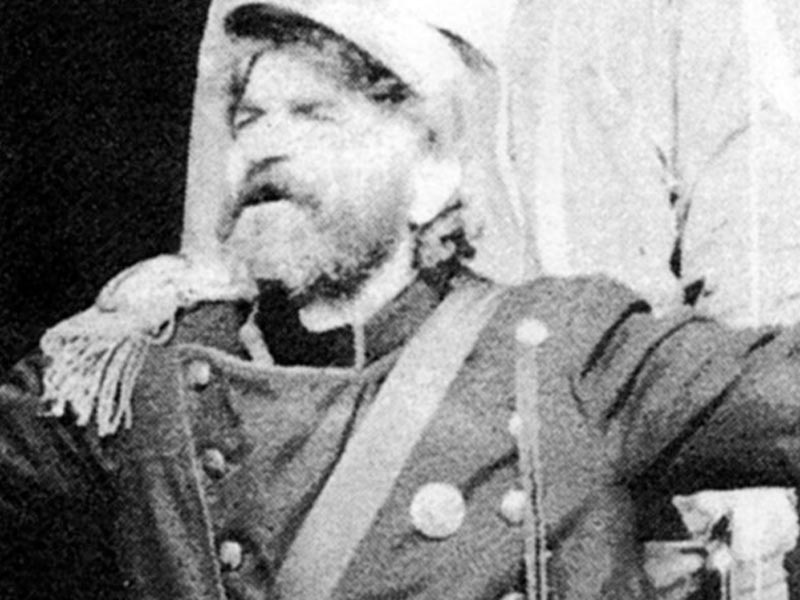
FAMA Collection, Sarajevo “LIFE” Magazine © FAMA Collection - Visual Archives 1992-1996 (Milomir Kovačević)
Something else is needed for living. The will, health, money...
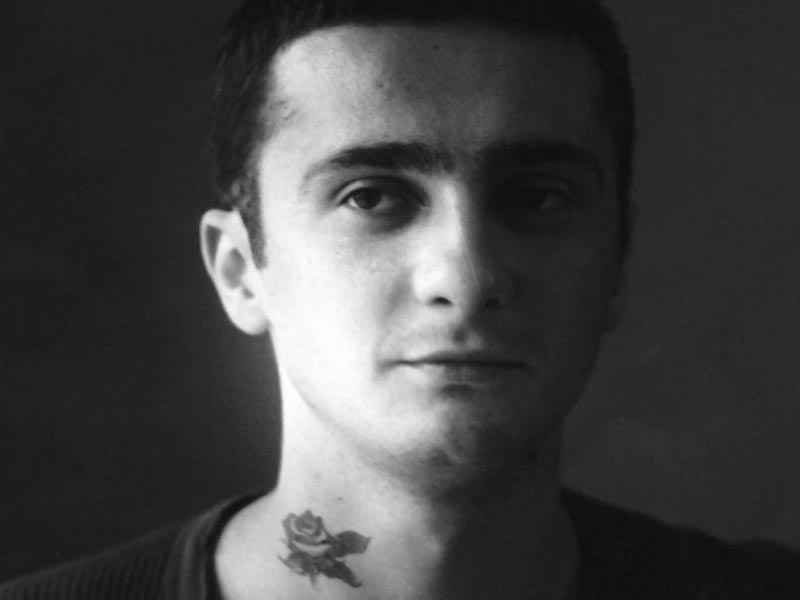
FAMA Collection, Sarajevo “LIFE” Magazine © FAMA Collection - Visual Archives 1992-1996 (Milomir Kovačević)
Everybody needs hope. Hope what gives someone strength, even though it destroys him at the same time.
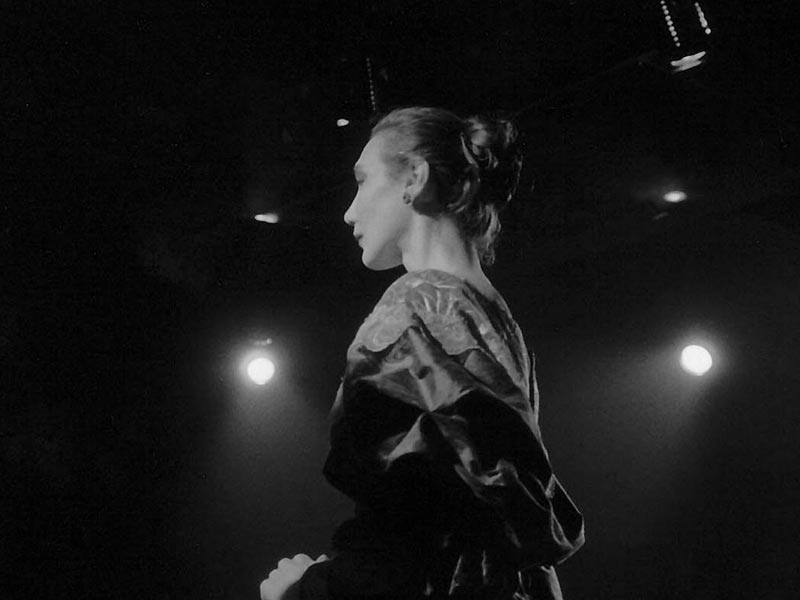
FAMA Collection, Sarajevo “LIFE” Magazine © FAMA Collection - Visual Archives 1992-1996 (Milomir Kovačević)
One cannot be pressured into dying.
If I didn't have hope, my life would have been senseless.
I don't have hope anymore, but I am still living.
I am always hoping for something.
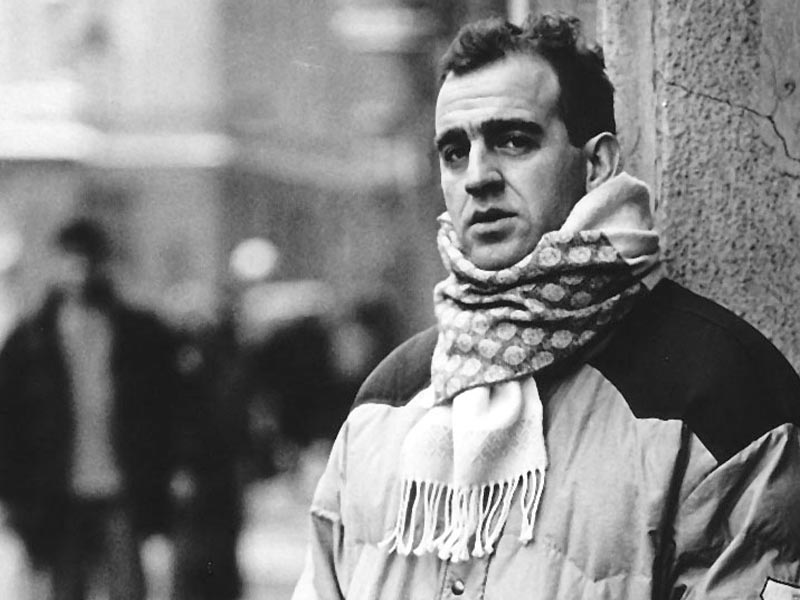
FAMA Collection, Sarajevo “LIFE” Magazine © FAMA Collection - Visual Archives 1992-1996 (Milomir Kovačević)
Hope is all I have.
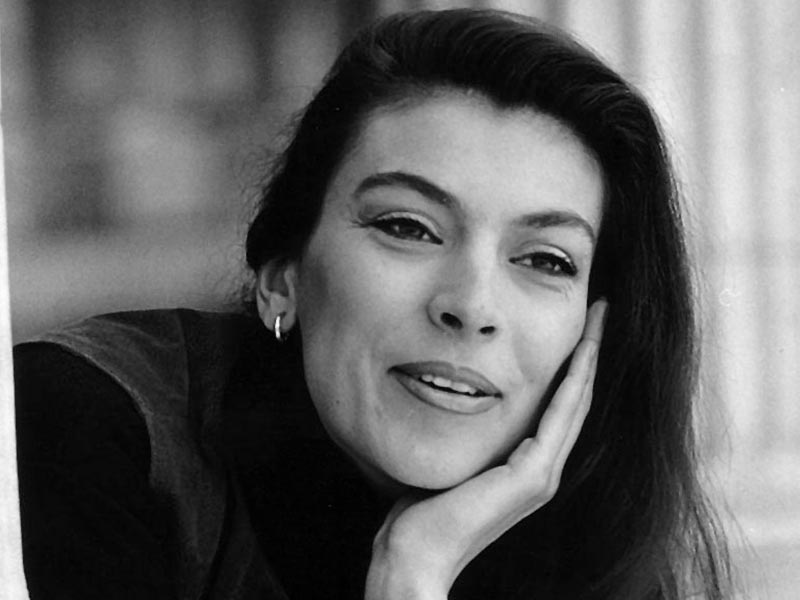
FAMA Collection, Sarajevo “LIFE” Magazine © FAMA Collection - Visual Archives 1992-1996 (Milomir Kovačević)
I don't need hope as much as I need love. Love was always and always will be the inspiration of my life.
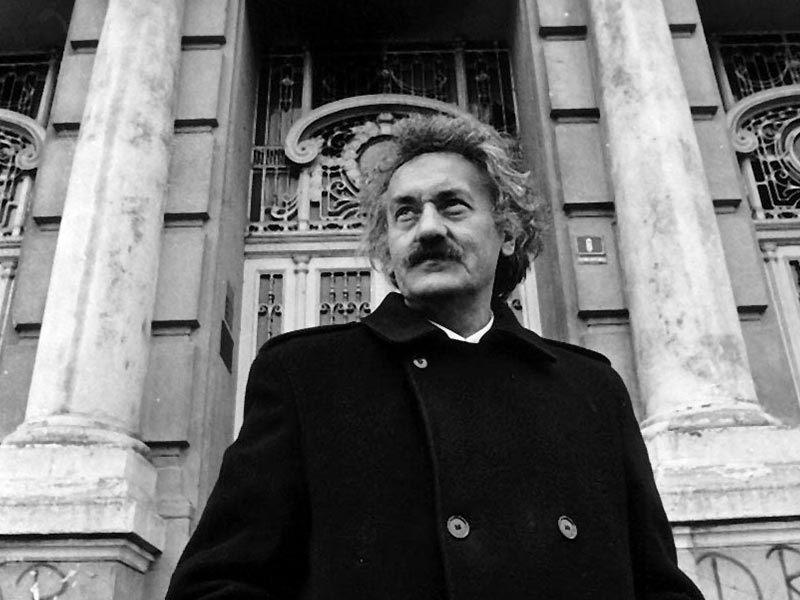
FAMA Collection, Sarajevo “LIFE” Magazine © FAMA Collection - Visual Archives 1992-1996 (Milomir Kovačević)
Hope is necessary, but the belief in the meaning of life is a motive for living.
One cannot go on without hope.
I never separate from hope, my life companion.
I don't need hope. I need freedom.
Thinking about tomorrow meant going too far into the unimaginable and a completely different place from where we were, like a trip to the moon. The people of Sarajevo were aware that this would require a new adjustment now that they had just gotten used to the new normal.
.
One question was never asked: What will happen tomorrow?