


The Siege of Sarajevo 1992-1996
“I don't even know how I made it home, I was so scared”
Macro Story #31: Fear

Macro story #31 seeks a partial answer to the question to what extent fear during the siege affected the citizens of Sarajevo, their reasoning, mental health, and their decision making. Although they found themselves in a situation of exposure to unimaginable and long-lasting terror, during the siege, the people of Sarajevo showed fearlessness, wisdom, creative intelligence and determination in the fight for survival. The contents of the FAMA Collection, viewed cumulatively, confirm that the citizens of Sarajevo, even in such extreme circumstances, every day and at every step, had different ways of overcoming fear.
From two original studies produced by FAMA Methodology "Survival Questionnaire" and "Sarajevo LIFE Magazine", we selected part of the statements of Sarajevo citizens about whether they had basements in their buildings, whether they stayed in them at all and what FEAR represents to them.
In different parts of the city, people lived under different conditions. In 1996, we realized that it was time to establish the big picture of life under siege by conducting a survey in ten different parts of the city. Therefore, we digitized 4,637 surveys and received an instant response from all participants to each of the 31 questions. 4,637 responses can be considered a significant sample for the frequent responses to be accepted as a conclusion about a single topic. Thus, based on the responses to the surveys, we learned that many citizens of Sarajevo during the siege had cellars in their buildings or houses, that these rooms were mostly inadequate, cramped and in poor condition, that staying in them was stressful and unhealthy, and that many citizens of Sarajevo actually preferred to live outside the darkness and fear, in their apartments, as well as going to work, fetching water, and socializing with family and friends. During the most intense and prolonged shelling, they had to seek shelter in order to save themselves and their families.
Although we lived under siege, we were also observers of the phenomenon of the end of an urban civilization (which was Sarajevo at the end of the 20th century) and the establishment of a new civilization that resembled sci-fi movies and the contemporary documentary TV series "Life After People". Observing people create from very limited resources, exposed to constant threat and various terrors, reduced to moving targets - is an important experience about human nature. We wanted to learn as much as possible about the possibilities of human nature and the mind, which operate freely despite all the limitations of the given situation. From our former life, we knew the American magazine "LIFE" and the statement of Henri Luca, its founder and owner, who in the twentieth century revealed hidden and unknown things to readers. This motivated us to present LIFE in our edition, placing it in the middle of the siege of Sarajevo, a city so isolated and distant from the rest of the world. Today it is an anthropological document about a difficult time and the human struggle to overcome the situation in which they found themselves instead of becoming its victims.
FAMA Methodology presents part of the statements of Sarajevo citizens from the study "Survival Questionnaire" and "Sarajevo LIFE Magazine".
This Survival Questionnaire study, produced shortly after the war, was the first and so far only large-scale public opinion survey to document daily life during the siege of Sarajevo. The testimonies of 4,637 citizens from all city municipalities revealed a matrix of the difficulty of survival, ingenuity, and resilience. Encompassing responses to 31 questions about daily routines, innovation, and mental toughness, the digitized surveys offer a rare insight into basic survival. This study deepens our understanding of life under siege by correlating responses by age, gender, profession, and urban location. In this part of the surveys, we highlight the statements of Sarajevo citizens about whether they had cellars or shelters in their buildings and houses and whether they used them.
Micro-District
number of respondents: 88 (1.89% of the total sample of 4,637)

© FAMA Collection; 'Survival Map (The Siege of Sarajevo 1992-1996)'
Yes, I went down to the cellar. We made benches, covered them with blankets, and the children slept there; the women sat beside them. It was suffocating.
We went twice to a bomb shelter, cold, damp, too small for all of us.
The basement was cold and damp, but safe. I usually played with children. The longest I stayed was four days.
I went once and never again, it was dirty and overcrowded. I didn’t stay longer than 2–3 hours.
I went down to hide from shells, never more than 24 hours.
We spent a lot of time in the basement. It was ugly, but we tidied it up a bit. I didn’t do anything special there, just socialised.
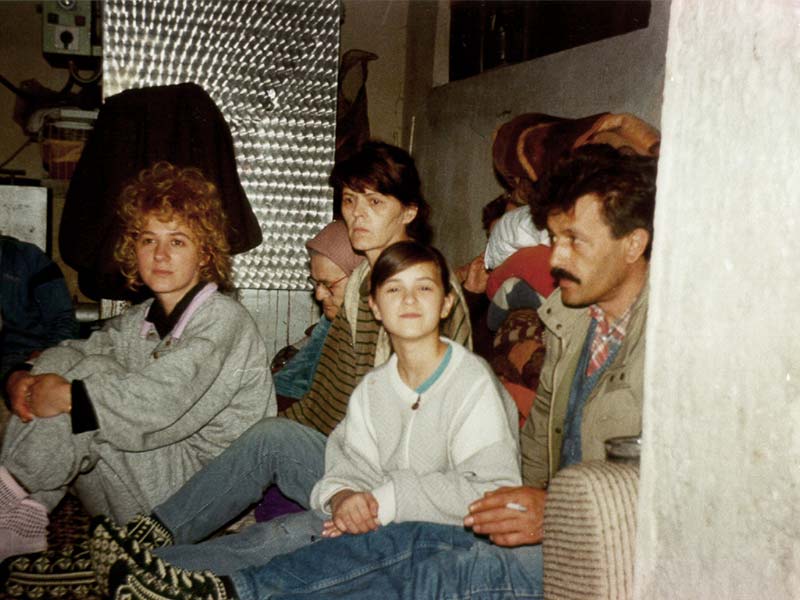
Life in the cellar, Sarajevo 1992-1996 © FAMA Collection - Visual Archives 1992-1996
Unfit, full of vermin, but we were forced to use its protection.
I was hardly ever in it, but I can say that it was more or less cleaned and made usable, even though there were bags on some of the windows for protection. We had to go down regardless of the risk of infection; the important thing was to survive.
The basement was like any other, dark, suffocating, very uncomfortable.
Yes, I had a basement. I don’t know what it looked like, I was never in it, because I was defending Sarajevo.
We had quite a good and above all safe basement. Quite warm, with electricity (a generator).
The basement was quite big, always full of people. Damp, with an unpleasant smell.
Like all basements, this one was quite cold and damp, with many mice.
I sometimes went to the city shelter.
At the beginning, I hid in the bomb shelter, from 1993 in the building's basement.
This anthropological study Resilience in the form of surveys, a redesign of the famous American magazine "LIFE" (which dealt with research and documentation of the new, unknown and, above all, sociologically important for the world as a whole), was made during 1995, during the siege of Sarajevo. Intellectuals and artists of the city under siege answered the eternal questions of good and evil, hope and death, love and survival in difficult times. Their answers represent hope for humanity and a special study on the mental health of individuals exposed to years of terror. Redesigned in the spirit of the original American magazine "LIFE", "Sarajevo LIFE Magazine" presents an anthropological and cultural study of individual resistance and survival under siege. 87 Sarajevo artists, academics, musicians, architects, writers and actors responded through fashion, theatre, art, design and literature to universal humanist questions about life under siege. The magazine is at the same time a study of how creativity and innovation have become tools for building resistance under impossible circumstances, in which the abnormal has become normal.
Fear can paralyze, but it can also be a driving force. In this chapter, we present some of the answers of public intellectuals from the "Sarajevo LIFE Magazine" to the question of what they were afraid of. Respondents mostly offered answers that do not necessarily refer to shelling, hunger, fear of death, but to categories such as fear of mediocrity, spiritual emptiness, hatred, loss of hope, etc.
Illness in full meaning.
Mediocrity, darkness in every sense, of forgetting hope.
Of people.
The rule of mediocrity.
Of myself.
Laziness, spiritual emptiness.
© FAMA Collection; Oral History: 'The Siege of Sarajevo 1992-1996'
"We went to find the costumes, because we couldn't afford to make new ones. I picked one costume from the wardrobe of that tailor shop and tried it on, and turned sideways toward the mirror, and Kaća said, oh great, it's good, we'll take it. It had only one sleeve. When I turned around to the other side, the dress was so asymmetric, and me so thin so I asked what we were going to do with this 'Biafra' detail. As absurd as it may sound, the war was one of the most beautiful parts of my life. It is horrible to be face to face with death all the time, with tragedies, with injuries. But there was another side as well, that purity of emotions, which we shared with each other. Everything was clear, everything was simplified, and that made it human. Which was wonderful. When someone was scared, he said that he's scared, when he loved someone, he would show that. If we wanted to help each other, we would act as if we did. As much as we could under the circumstances." - Minka Muftić, actress
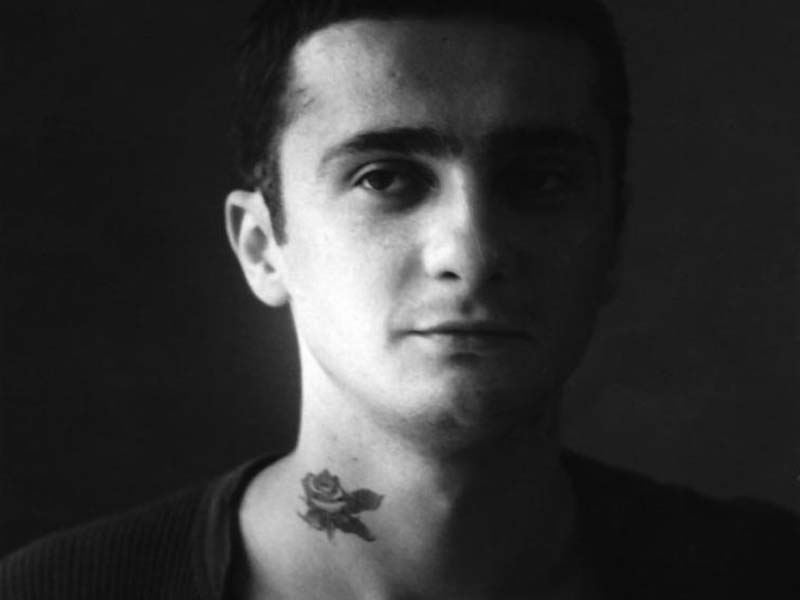
FAMA Collection, Sarajevo “LIFE” Magazine © FAMA Collection - Visual Archives 1992-1996 (Milomir Kovačević)
Darkness and loneliness.
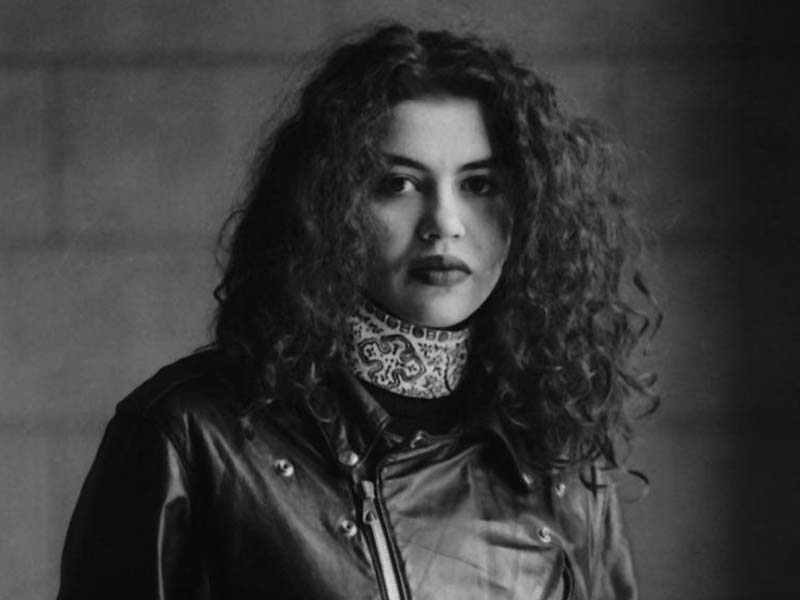
FAMA Collection, Sarajevo “LIFE” Magazine © FAMA Collection - Visual Archives 1992-1996 (Milomir Kovačević)
Winter.
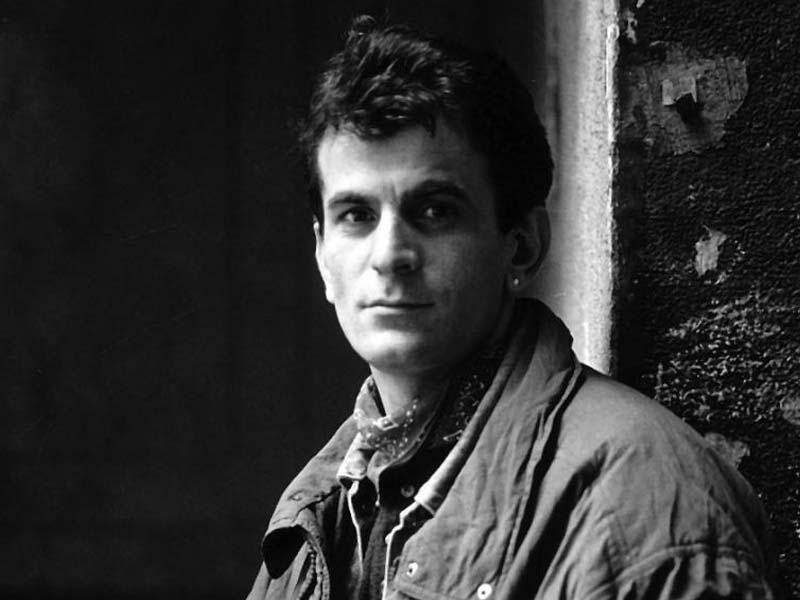
FAMA Collection, Sarajevo “LIFE” Magazine © FAMA Collection - Visual Archives 1992-1996 (Milomir Kovačević)
Of losing sense.
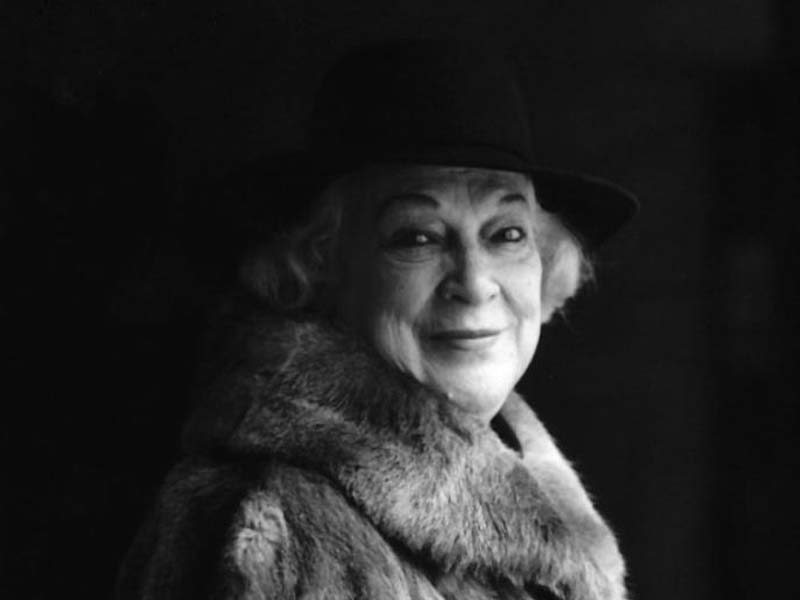
FAMA Collection, Sarajevo “LIFE” Magazine © FAMA Collection - Visual Archives 1992-1996 (Milomir Kovačević)
Of primitivism.
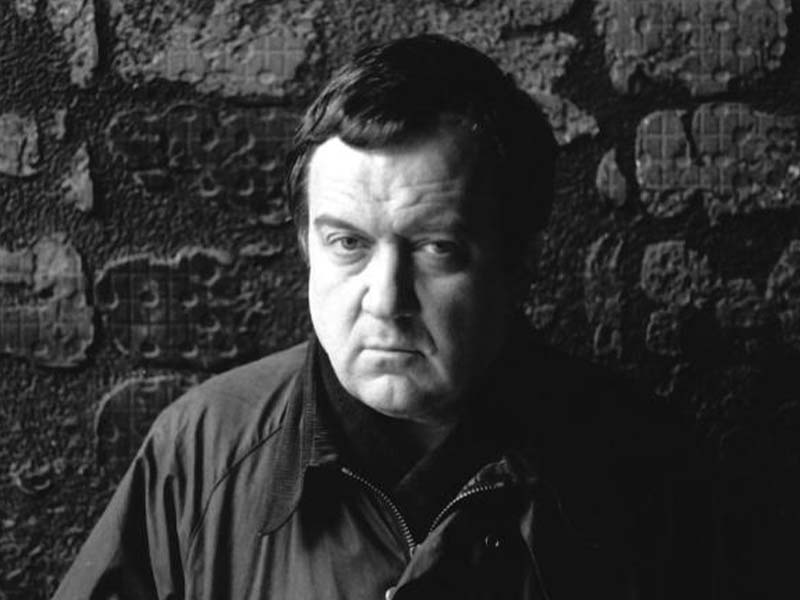
FAMA Collection, Sarajevo “LIFE” Magazine © FAMA Collection - Visual Archives 1992-1996 (Milomir Kovačević)
Loneliness.
"By the end of September ‘92, I think we were coming to grips with the fact that the war would be long and horrible. It was clear that it wouldn’t end while the days were still sunny and while we were still able to live off of what little food we had stocked up at home. Everything indicated that this was the beginning of a long winter and long, long and tortuous nights." - Zlatko Dizdarević, journalist
© FAMA Collection; Oral History: 'The Siege of Sarajevo 1992-1996'
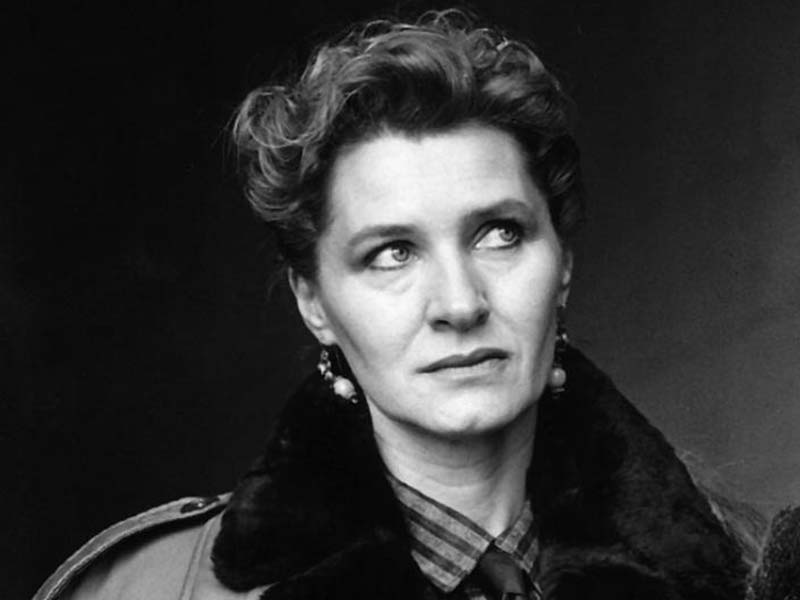
FAMA Collection, Sarajevo “LIFE” Magazine © FAMA Collection - Visual Archives 1992-1996 (Milomir Kovačević)
People without mercy.
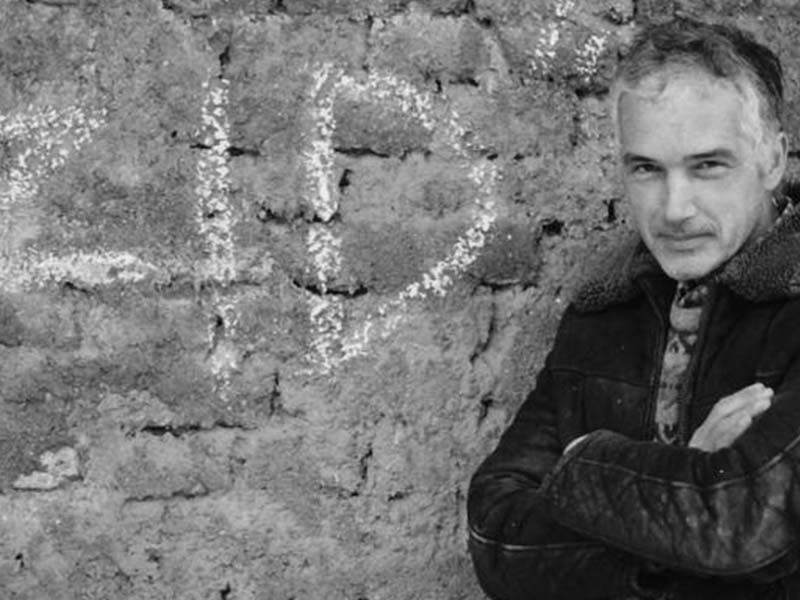
FAMA Collection, Sarajevo “LIFE” Magazine © FAMA Collection - Visual Archives 1992-1996 (Milomir Kovačević)
Of truly hating someone.
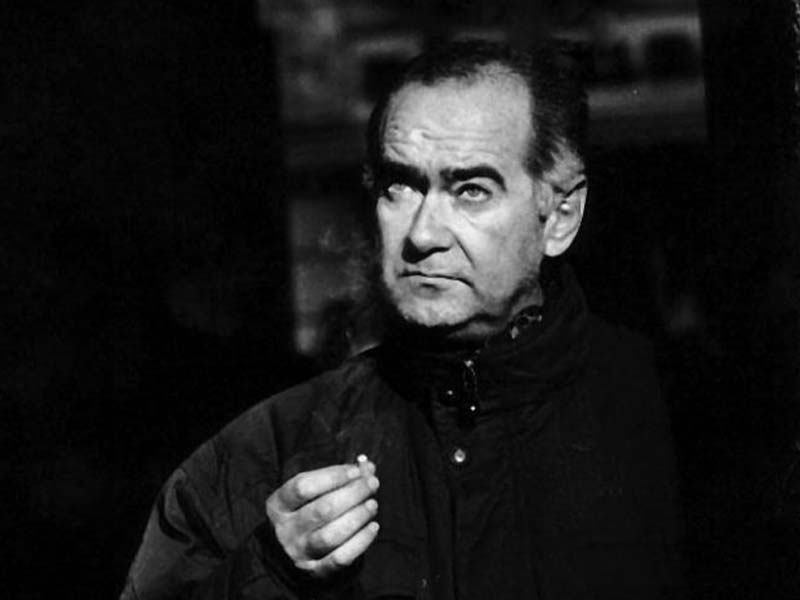
FAMA Collection, Sarajevo “LIFE” Magazine © FAMA Collection - Visual Archives 1992-1996 (Milomir Kovačević)
Fasicm.
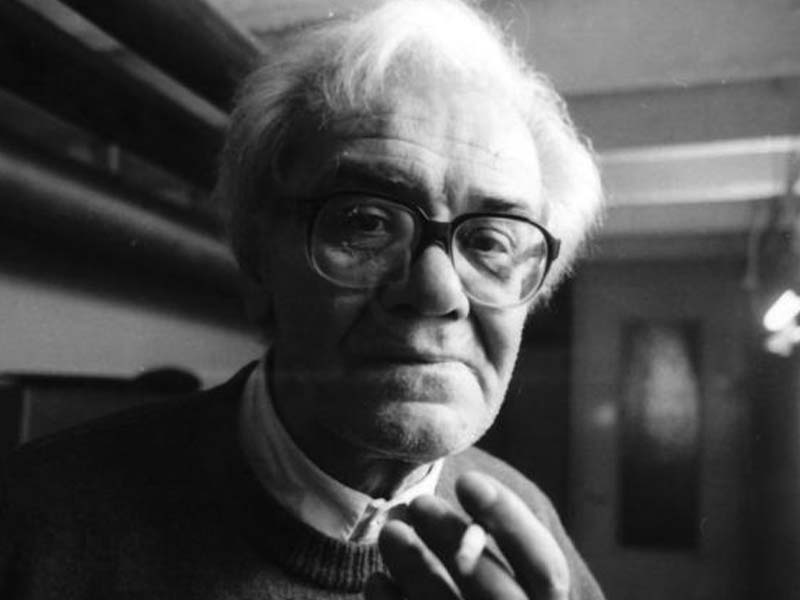
FAMA Collection, Sarajevo “LIFE” Magazine © FAMA Collection - Visual Archives 1992-1996 (Milomir Kovačević)
I was afraid of one thing: that I would fall asleep in the Second World War and wake up in the third world war. After experiences in this war, I am not afraid of this anymore.
Extreme situations caused a shock to the system: everything that was previously known suddenly began to change. Fear became people’s identity and influenced decision-making. By admitting to oneself that one was afraid, one could block the consequences of one’s own shock and the mind would take the lead, developing the means for mental and basic survival, placing oneself Ahead of Fear.
I didn’t waste time wondering, I suddenly knew everything.