


The Siege of Sarajevo 1992-1996
“We were innovators of our own survival methods”
Macro Story #30: Balance

Macro story #30 is searching for an answer to the question of how the citizens of Sarajevo maintained a balance in their daily lives during the four years of the siege in extreme life circumstances. Everyone for themselves, in accordance with their possibilities and needs, created circumstances and designed activities thanks to which they managed, at least for a short time, to maintain a balance and a semblance of a normal life.
Many activities that do not serve only basic survival have become a need of the citizens, and all of these activities helped to preserve their mental health. They played sports, when the circumstances allowed it, painted, wrote, read, made handicrafts from available materials, learned foreign languages, went to cultural events. All these activities opened the door to another world and offered space for establishing a balance to the different types of terror that citizens were exposed to on a daily basis.
From two original studies produced by FAMA Methodology "Survival Questionnaire" and "Sarajevo LIFE Magazine", we selected a part of the statements of the citizens of Sarajevo about whether they visited cultural events, and whether they organized or attended some events in the corridors of the buildings where they lived, which was not unusual at that time.
In different parts of the city, people lived under different conditions. In 1996, we realized that it was time to establish a methodological flow by conducting a survey in ten different parts of the city. All survey questions related to experience under siege at all levels of survival. But we wanted to see the big picture. Therefore, we digitized 4,637 surveys and received an instant answer to each of the questions from all participants. 4,637 responses can be considered a sufficiently significant sample to accept frequent responses as a rule. Thus, based on the responses in the surveys, we concluded that many citizens attended cultural events (the most common answer was about going to the theatre or cinema), but also that many citizens did not have time for that and were preoccupied with basic survival. In part of the answers, we also identified those citizens who pointed out that they did not have the mental strength to attend such events.
Although we lived under siege, we were also observers of the phenomenon of the end of an urban civilization (which Sarajevo was at the end of the 20th century) and the establishment of a new civilization that resembled science fiction movies and the contemporary documentary TV series "Life After People". Observing people who create from very limited resources, exposed to constant terror, reduced to moving targets - is an important experience about human nature. We wanted to learn as much as possible about the possibilities of human nature and the mind, which operate freely despite all the limitations of the given situation. From our former life, we knew the American magazine "LIFE" and the statement of Henri Luca, its founder and owner, who in the twentieth century revealed hidden and unknown things to readers. This motivated us to present LIFE in our edition, placing it in the middle of the siege of Sarajevo, a city so isolated and distant from the rest of the world. Today it is an anthropological document about a difficult time and the human struggle to overcome the situation in which they found themselves instead of becoming its victims.
FAMA Methodology presents part of the statements of Sarajevo citizens from the study "Survival Questionnaire" and "Sarajevo LIFE Magazine".
This Survival Questionnaire study, produced shortly after the war, was the first and so far only large-scale public opinion survey to document daily life during the siege of Sarajevo. The testimonies of 4,637 citizens from all city municipalities revealed a matrix of the difficulty of survival, ingenuity, and resilience. Encompassing responses to 31 questions about daily routines, innovation, and mental toughness, the digitized surveys offer a rare insight into basic survival. This study deepens our understanding of life under siege by correlating responses by age, gender, profession, and urban location.
In this chapter, we highlight the statements of Sarajevo citizens about whether they attended cultural events that were organized in the city under siege.
Micro-District
number of respondents: 531 (11.45% of the total sample of 4,637)

© FAMA Collection; 'Survival Map (The Siege of Sarajevo 1992-1996)'
The children sometimes organised performances for the tenants.
I once went to a theatre play and once to an exhibition. It was all very painful.
No, because I was preoccupied with my own survival.
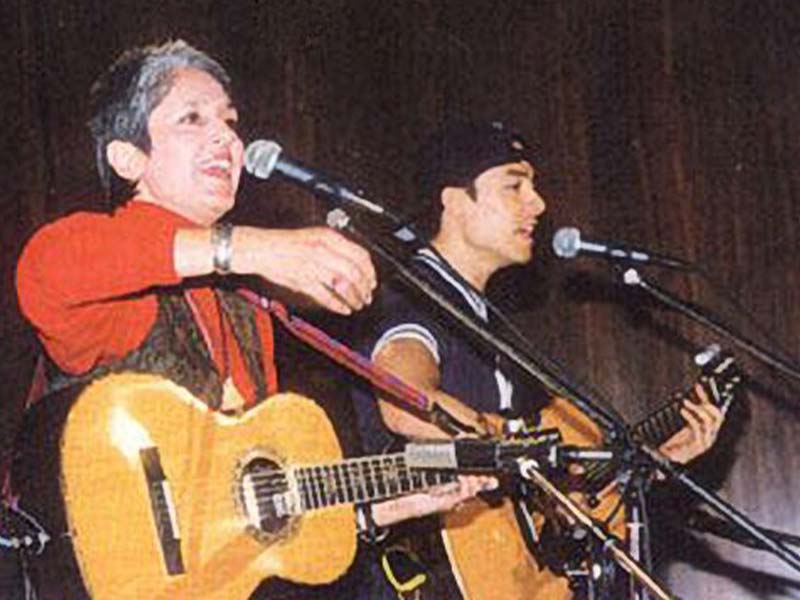
Joan Baez concert, Sarajevo 1992-1996 © FAMA Collection - Visual Archives 1992-1996 (Željko Puljić)
We celebrated birthdays.
I couldn't go to cultural performances that were organised (mentally I wasn't ready for that).
I went to exhibitions.
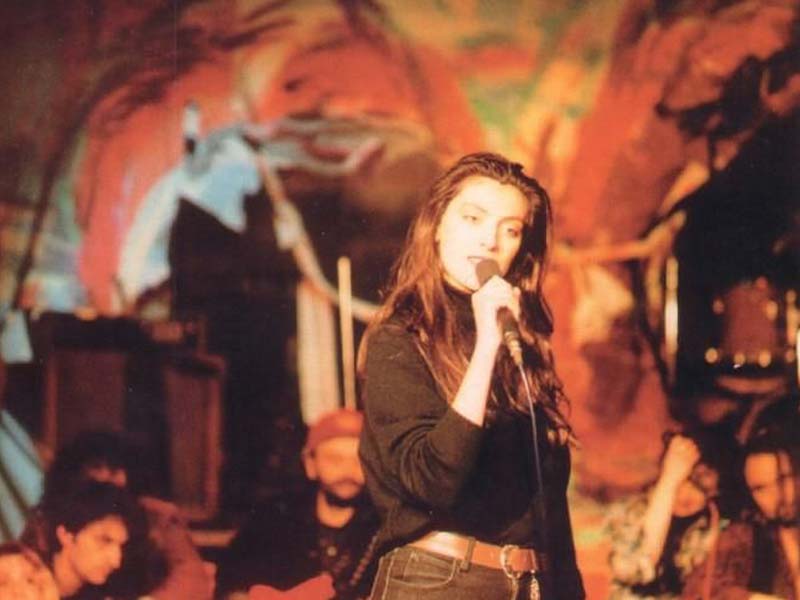
Musical "Hair", Dragana Ilić, Sarajevo 1992-1996 © FAMA Collection - Visual Archives 1992-1996 (Željko Puljić)
When I was able, I would go to the Chambre Theatre.
I did not attend cultural events in the city (there was no time for that).
I would watch children's performances in the building's entrance hall.
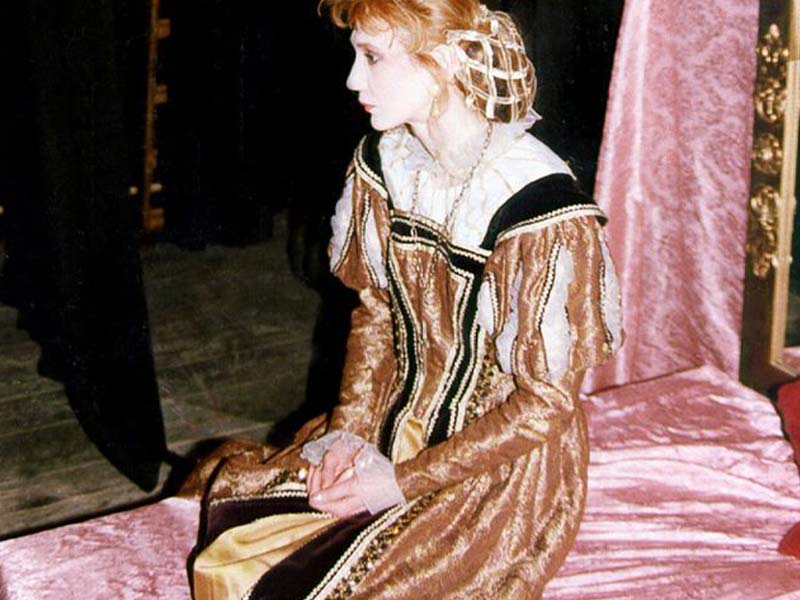
Actress Minka Muftić in a theatre play, Sarajevo 1992-1996 © FAMA Collection - Visual Archives 1992-1996
When I had time, I went to some performances organised by the young people.
Who cared about culture?
I played guitar with a band that broke up, so we occasionally went to concerts.
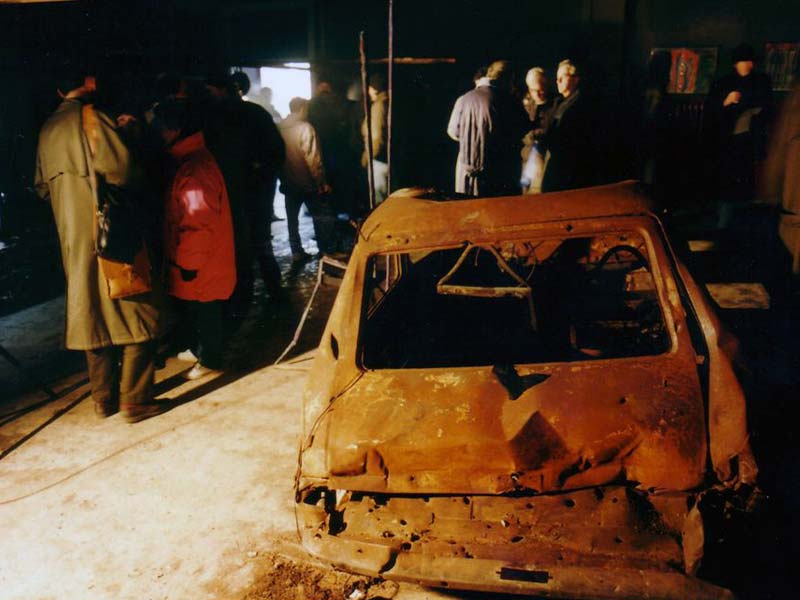
Exhibition "Witnesses of Existence", Sarajevo 1992-1996 © FAMA Collection - Visual Archives 1992-1996 (Željko Puljić)
I sometimes took my children to the theatre.
Very often we gathered and sang, it made things easier. I didn’t go to cultural events.
I didn't have time for culture.
This anthropological study Resilience in the form of surveys, a redesign of the famous American magazine "LIFE" (which dealt with research and documentation of the new, unknown and, above all, sociologically important for the world as a whole), was made during 1995, during the siege of Sarajevo. Intellectuals and artists of the city under siege answered the eternal questions of good and evil, hope and death, love and survival in difficult times. Their answers represent hope for humanity and a special study on the mental health of individuals exposed to years of terror. Redesigned in the spirit of the original American magazine "LIFE", "Sarajevo LIFE Magazine" presents an anthropological and cultural study of individual resistance and survival under siege. 87 Sarajevo artists, academics, musicians, architects, writers and actors responded through fashion, theatre, art, design and literature to universal humanist questions about life under siege. The magazine is at the same time a study of how creativity and innovation have become tools for building resistance under impossible circumstances, in which the abnormal has become normal.
Although under stress or because of it, during the siege of the city, the citizens of Sarajevo did not deal exclusively with survival, but tried, each for themselves, to find activities to which they could dedicate themselves to such an extent that they become a balance to the experience of constant exposure to terror and death, and thus preserve their mental health. In this chapter, we present some of the answers of public intellectuals from the "Sarajevo LIFE Magazine" to the question of what is their recipe for preserving mental health.
Do what you like.
Conscience about the mysterious transitoriness of everything.
Work.
Stoicism.
Live in Sarajevo!
Work, work and nothing but work.
© FAMA Collection; Oral History: 'The Siege of Sarajevo 1992-1996'
"We had a painter’s ladder. And when we lit the statue of the bicyclist, and the flyer, and the jumper on fire, which was wrapped in paper. I got this mass, mass of napalm, which we spread over the paper to make it flare up better. And my colleagues who helped me, Karić Šefik and Boro Žuža, who is now in a different place. They actually were the ones who lifted the ladder, the bicyclist, the fire. Fire and water were united and that, that air. Three, strange worlds. While we still remained in this one, in our own world." - Enes Sivac, sculptor
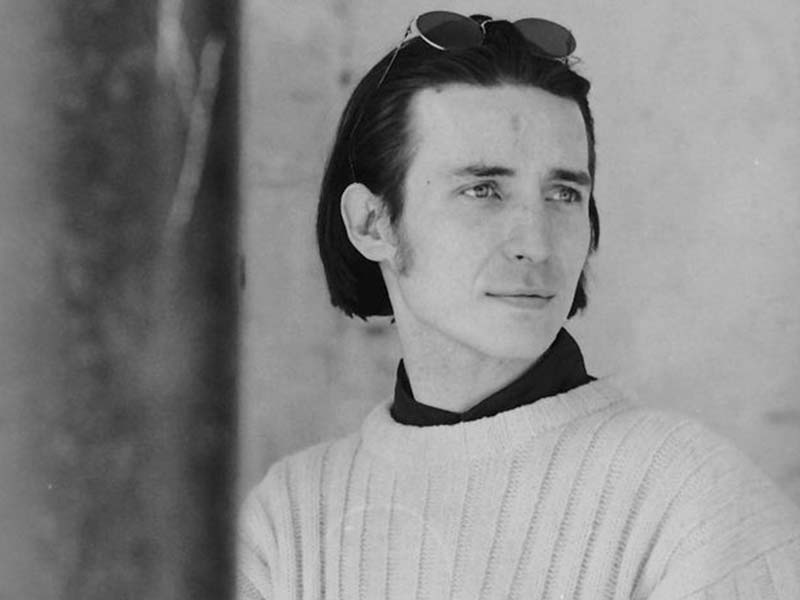
FAMA Collection, Sarajevo “LIFE” Magazine © FAMA Collection - Visual Archives 1992-1996 (Milomir Kovačević)
Work as much as you can.
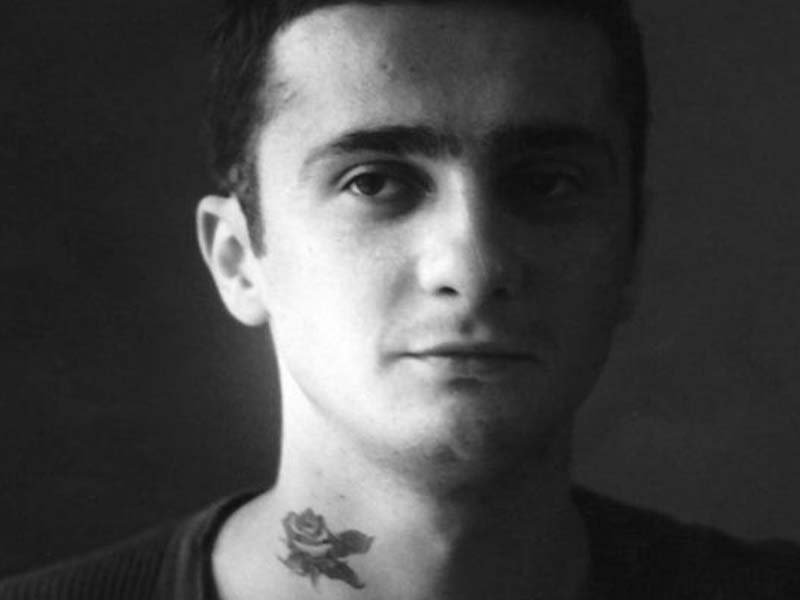
FAMA Collection, Sarajevo “LIFE” Magazine © FAMA Collection - Visual Archives 1992-1996 (Milomir Kovačević)
Enjoy everything, and don't look back.
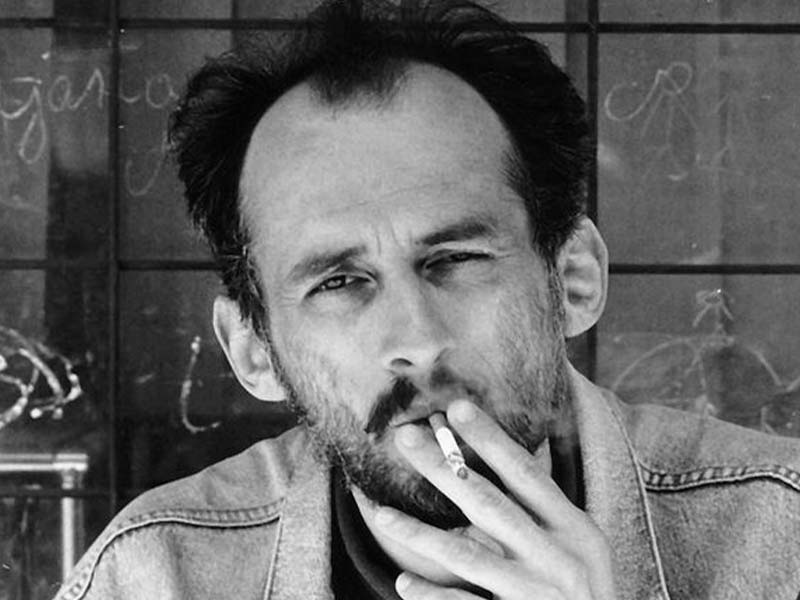
FAMA Collection, Sarajevo “LIFE” Magazine © FAMA Collection - Visual Archives 1992-1996 (Milomir Kovačević)
Getting up early.
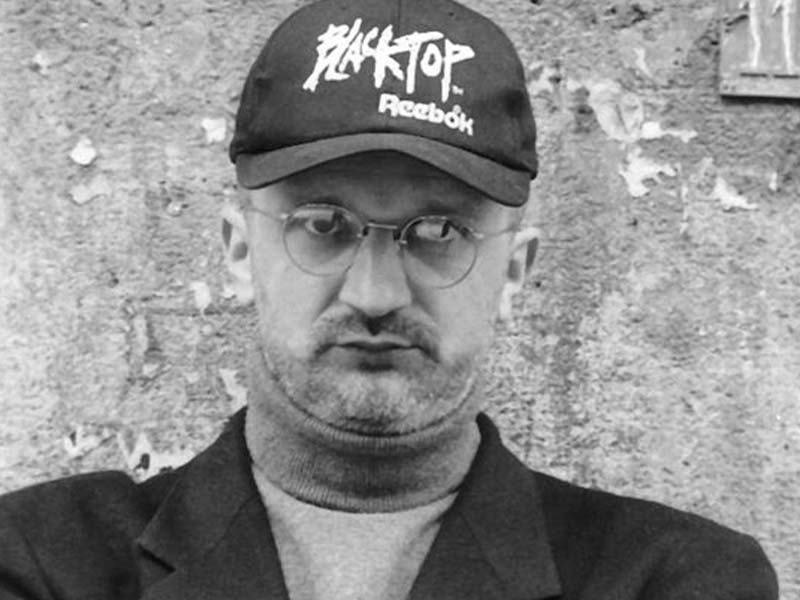
FAMA Collection, Sarajevo “LIFE” Magazine © FAMA Collection - Visual Archives 1992-1996 (Milomir Kovačević)
Once you find the recipe it is often too late.
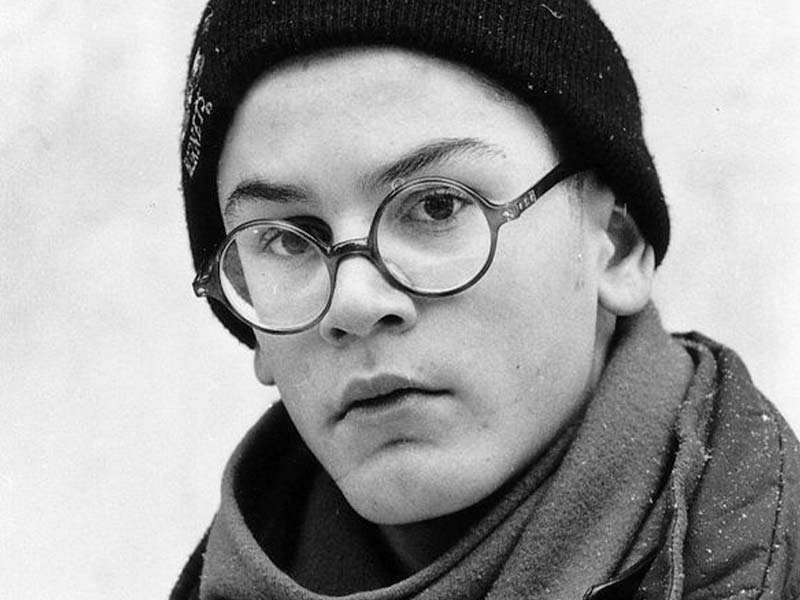
FAMA Collection, Sarajevo “LIFE” Magazine © FAMA Collection - Visual Archives 1992-1996 (Milomir Kovačević)
Carry ten five-litre canisters to the Brewery every day, if possible, twice daily. Success guaranteed.
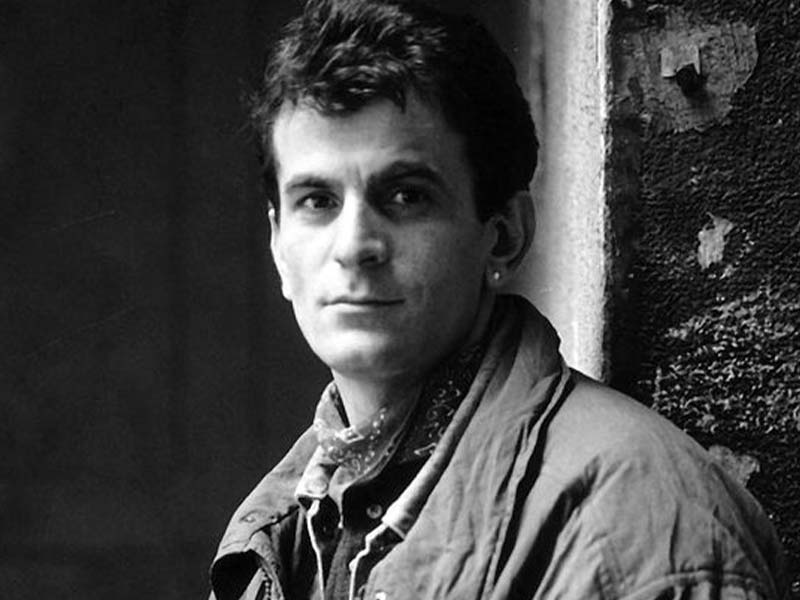
FAMA Collection, Sarajevo “LIFE” Magazine © FAMA Collection - Visual Archives 1992-1996 (Milomir Kovačević)
Lots of hard work.
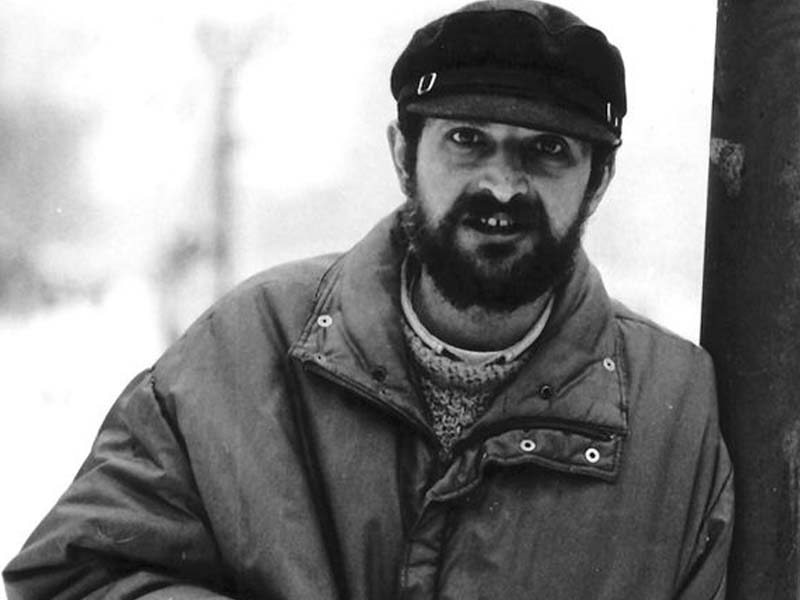
FAMA Collection, Sarajevo “LIFE” Magazine © FAMA Collection - Visual Archives 1992-1996 (Milomir Kovačević)
Don't make compromises, and hold on to made decisions, no matter how painful and difficult they are.
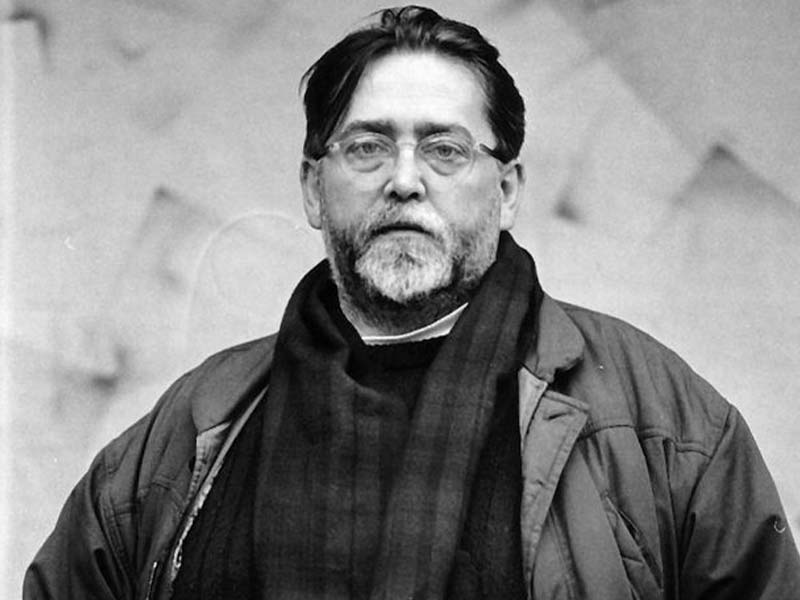
FAMA Collection, Sarajevo “LIFE” Magazine © FAMA Collection - Visual Archives 1992-1996 (Milomir Kovačević)
One must be a little crazy, or a bit eccentric. One must run away to his own world, from time to time, but not remain there. One must laugh as much as one can, even if by force.
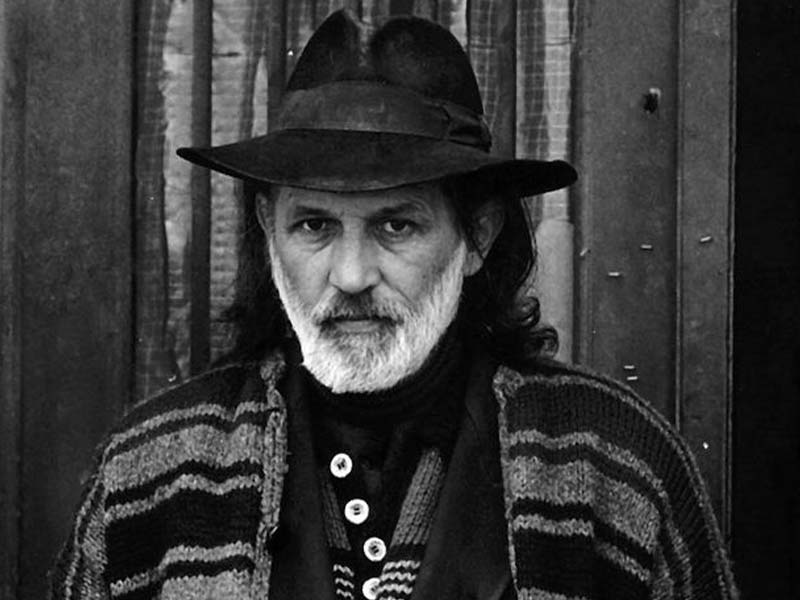
FAMA Collection, Sarajevo “LIFE” Magazine © FAMA Collection - Visual Archives 1992-1996 (Milomir Kovačević)
Be active.
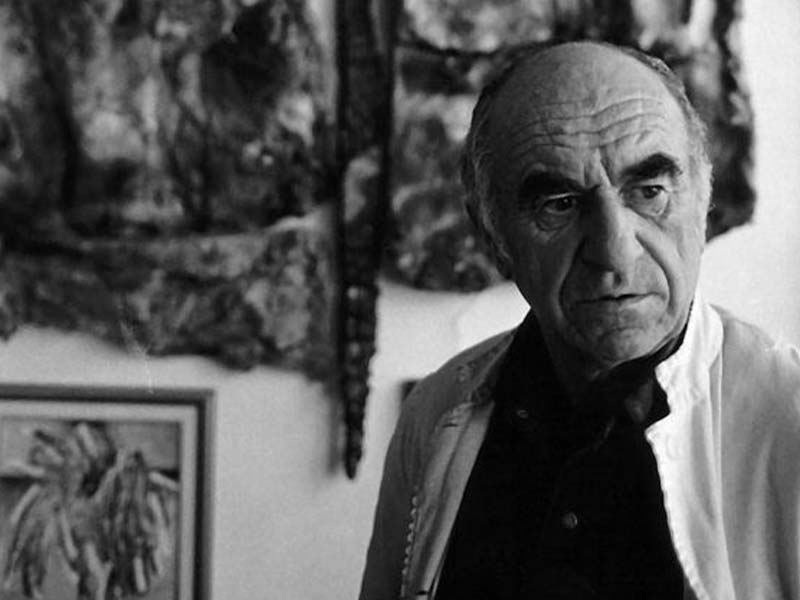
FAMA Collection, Sarajevo “LIFE” Magazine © FAMA Collection - Visual Archives 1992-1996 (Milomir Kovačević)
Work and art.
For a long time, it was believed that creativity belongs only to great minds and especially talented people. This research has provided us with countless examples that in limited conditions creativity belongs to every individual as a basic need for existential and mental survival.
A little personal creativity.