


The Siege of Sarajevo 1992-1996
“I was gathering my strength for the next shelling”
Macro Story #28: Spare time

Macro story #28 is dedicated, conditionally speaking, to the spare time that the citizens of Sarajevo spent during the siege in activities that were not for the purpose of basic survival.
During the siege, they were exposed to daily terror, shelling, sniper shots, hunger, and fear due to the uncertainty of everyday life. In such circumstances, in which death is very close, it is very difficult to redefine the concept of spare time. The citizens of Sarajevo, as much as possible, did their jobs, fetched water, collected firewood and humanitarian aid, made lamps, children went to improvised schools, some even studied, played social games important for mental health, women crocheted, knitted from leftover wool, and concerts and theatre performances became a necessary addition to survival.
Therefore, it is possible to say that the time when they did not have a work obligation, and the time they did not spend in activities devoted solely to survival (going to get firewood, water, food, planting vegetables in the gardens, etc.), represented their spare time. Everything they did at that time was based on their belief that they must not stop at any moment and that they must divert their thoughts from the constant threat to something else. Engaging in peacetime hobbies, sports, hanging out with neighbours and friends, inventing new things, writing, playing music, reading - all of this was a reminder that there is life beyond fear.
From two original studies produced by FAMA Methodology "Survey - Survival" and "Sarajevo LIFE Magazine" we have selected a part of the statements of the citizens of Sarajevo about their "spare time" as a space for creating a balance against dangers and scarcity in daily life. The citizens of Sarajevo have shown that only constant activity can help an individual, who finds himself exposed to previously unimaginable terror, not to despair, but to preserve his mental health and the hope that survival and victory are possible.
Different parts of the city survived under different conditions. In 1996, we realized that it was time to establish a methodological course by conducting a survey in ten different parts of the city. All survey questions related to the experience of being under siege at all levels of survival. But that was not enough to create a complete picture. Therefore, we digitized 4,637 surveys and received an instant answer to each of the questions. And we came to great discoveries. 4,637 responses can be considered a sufficiently significant sample for the frequent answers to be accepted as a rule. Thus, based on the answers in the surveys, we concluded what the citizens of Sarajevo did during the siege in their "spare time", and that socializing with friends, neighbours and family was crucial for mental survival.
Although we lived under siege, we were also observers of the phenomenon of the end of an urban civilization (which Sarajevo was at the end of the 20th century) and the establishment of a new civilization that resembled science fiction movies and the contemporary documentary TV series "Life After People". Observing people who create from very limited resources, exposed to constant terror, reduced to moving targets - is an important experience about human nature. We wanted to learn as much as possible about the possibilities of human nature and the mind, which operate freely despite all the limitations of the given situation. From our former life, we knew the American magazine "LIFE" and the statement of Henri Luca, its founder and owner, who in the twentieth century revealed hidden and unknown things to readers. This motivated us to present LIFE in our edition, placing it in the middle of the siege of Sarajevo, a city so isolated and distant from the rest of the world. Today it is an anthropological document about a difficult time and the human struggle to overcome the situation in which they found themselves instead of becoming its victims.
FAMA Methodology presents part of the statements of Sarajevo citizens from the study "Survival Questionnaire" and "Sarajevo LIFE Magazine".
This Survival Questionnaire study, produced shortly after the war, was the first and so far only large-scale public opinion survey to document daily life during the siege of Sarajevo. The testimonies of 4,637 citizens from all city municipalities revealed a matrix of the difficulty of survival, ingenuity, and resilience. Encompassing responses to 31 questions about daily routines, innovation, and mental toughness, the digitized surveys offer a rare insight into basic survival. This study deepens our understanding of life under siege by correlating responses by age, gender, profession, and urban location. In this chapter, we highlight the statements of Sarajevo citizens about how they spent their "spare time" and which activities were key to mental survival.
Micro-District
number of respondents: 213 (4.6% of the total sample of 4,637)

© FAMA Collection; 'Survival Map (The Siege of Sarajevo 1992-1996)'
I spent my spare time listening to the radio.
I was thinking about how to entertain the children and get them to not think about the war for a moment.
I read and wrote poems.
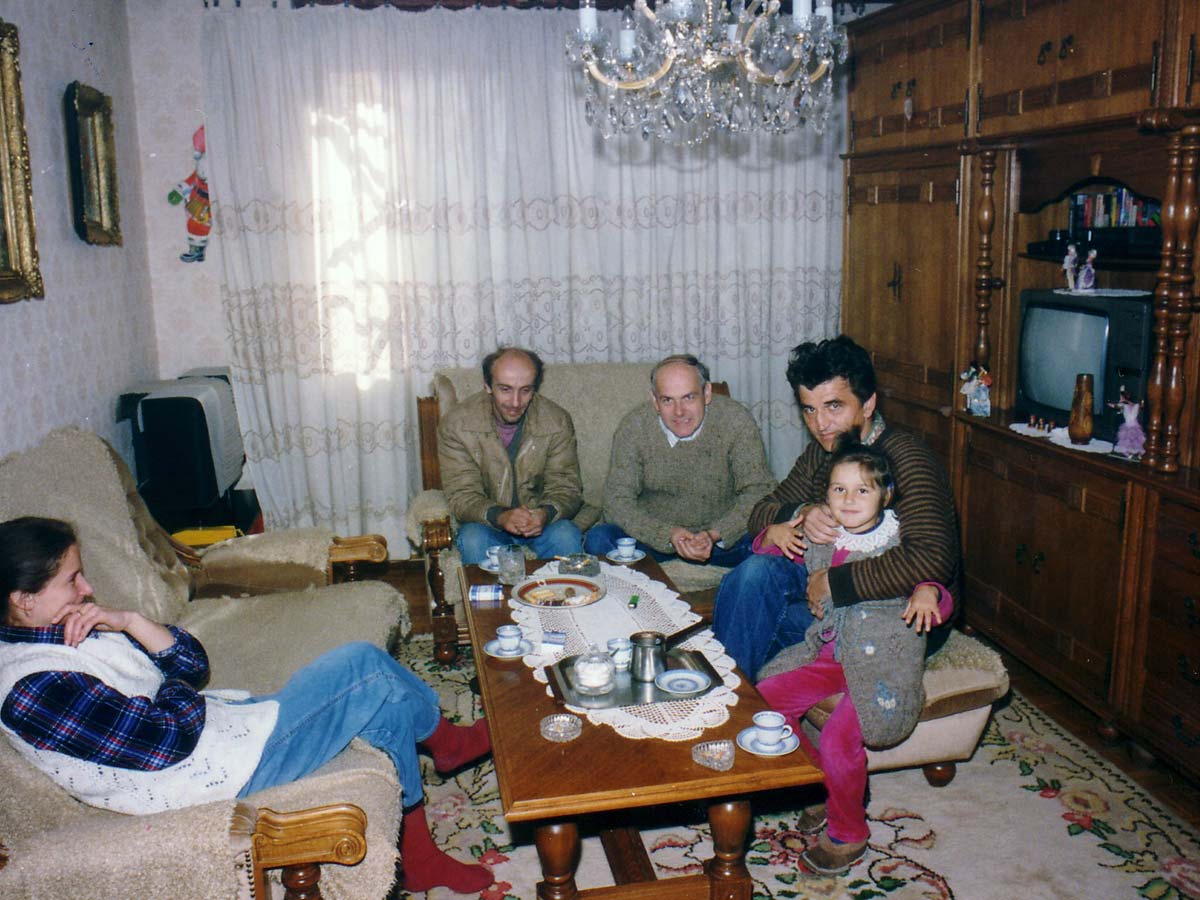
Family sitting together, Sarajevo 1992-1996 © FAMA Collection - Visual Archives 1992-1996 (Željko Puljić)
I sewed for myself and my family.
I went to the Pensioners' Club in Bistrik. That's where we used to meet.
I was learning Italian.
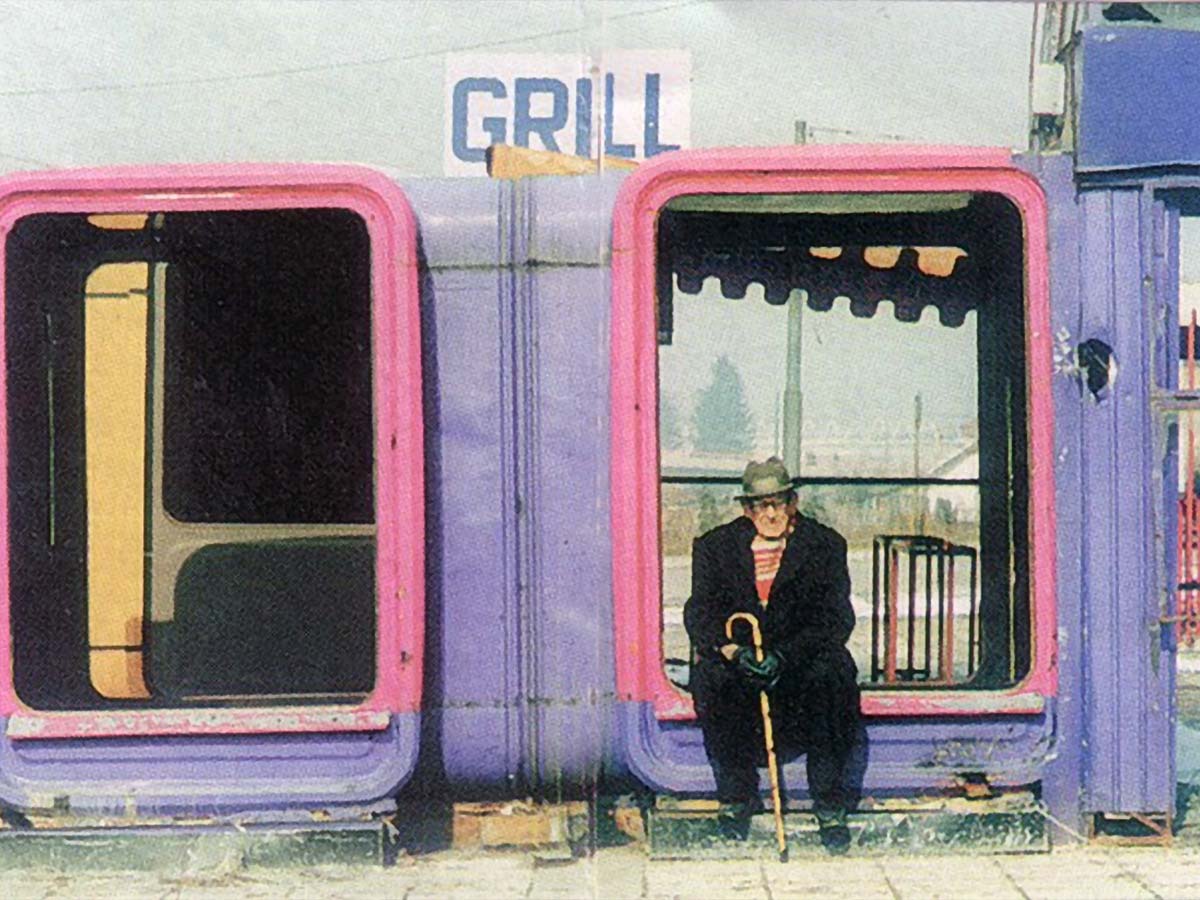
Catching the warm winter sun instead of heating, Sarajevo 1992-1996 © FAMA Collection - Visual Archives 1992-1996 (Željko Puljić)
I repaired my neighbors' radios and TV sets.
I played table tennis.
I spent time with my friends.
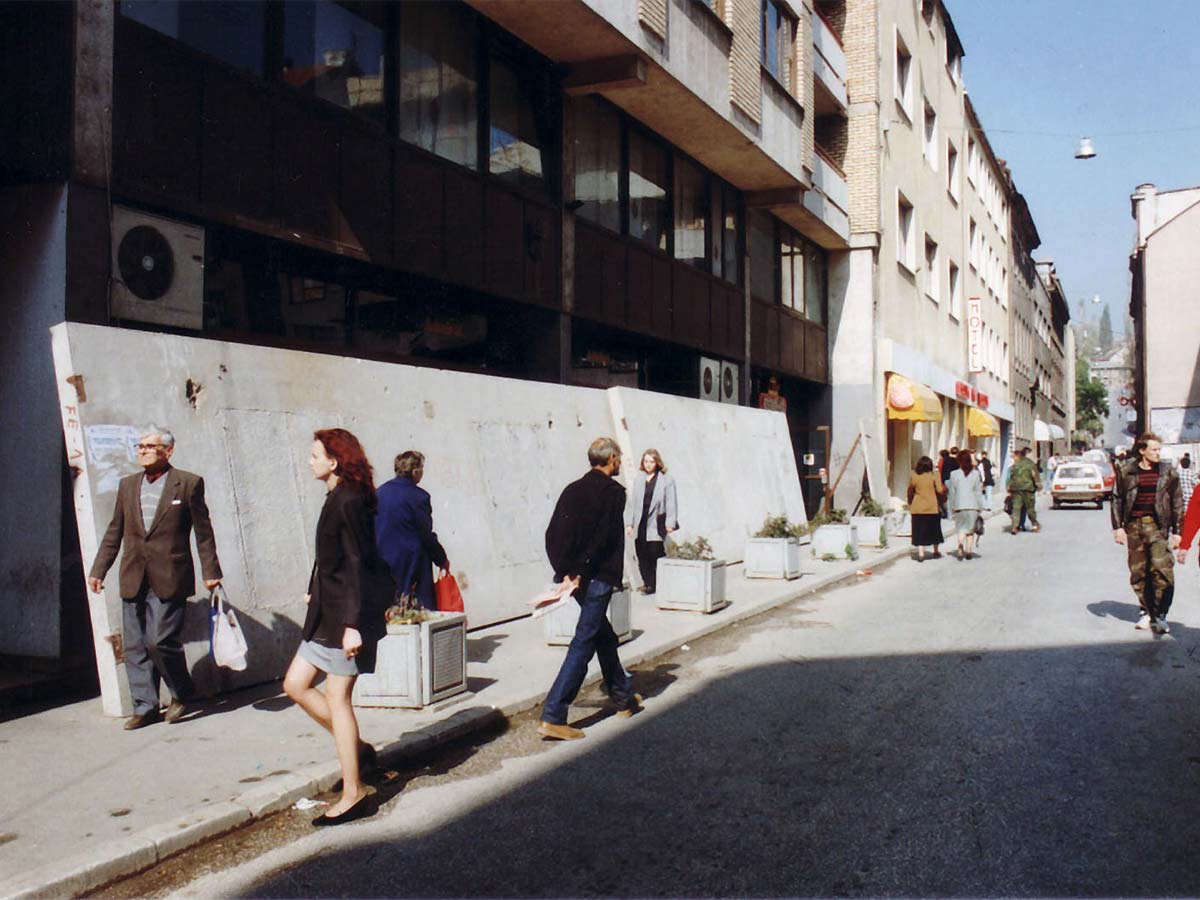
Cease-fire, Sarajevo 1992-1996 © FAMA Collection - Visual Archives 1992-1996
In my spare time I played with my son.
I gave extra lessons in mathematics to children in my neighbourhood, because I worked as a mathematics teacher a long time ago.
I was gathering my strength for the next shelling.
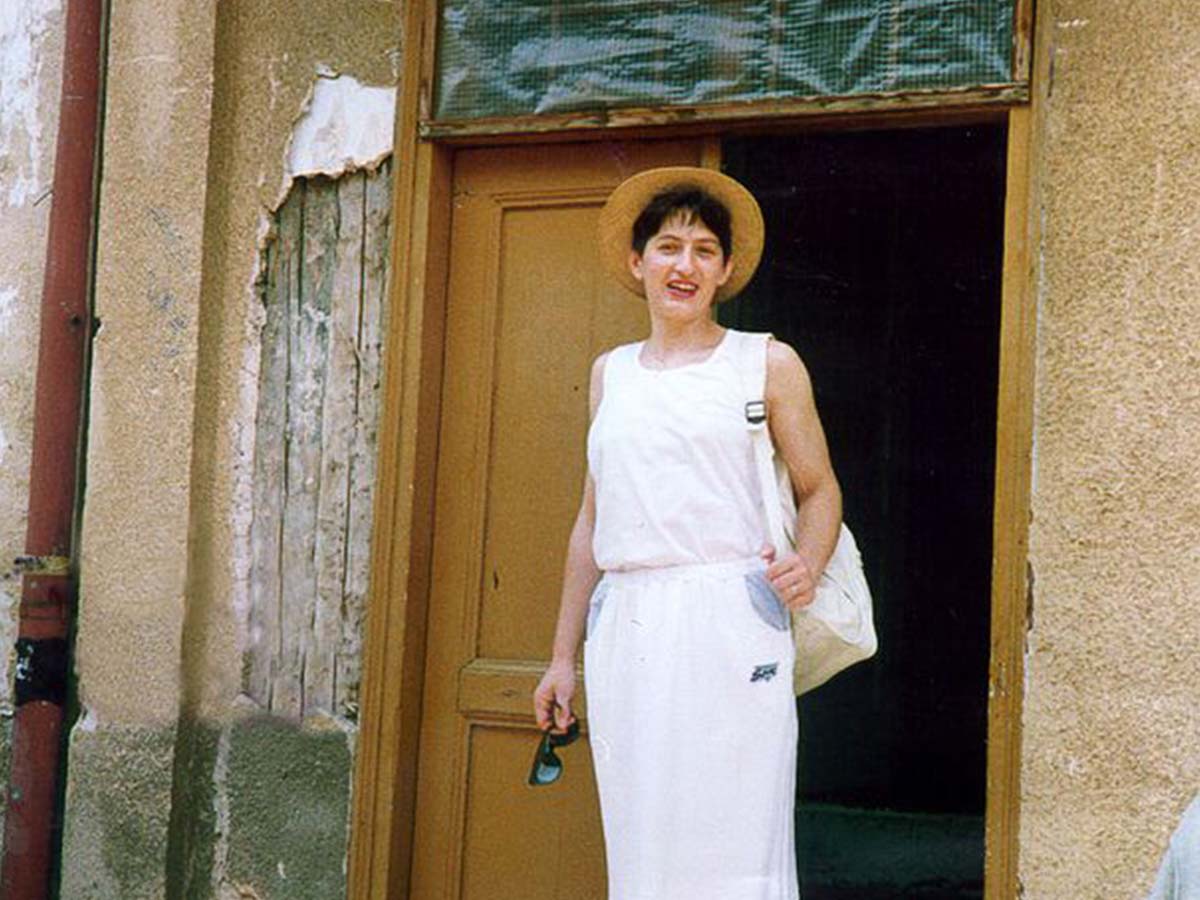
Šemsa Mehmedović - Leaving the house, Sarajevo 1992-1996 © FAMA Collection - Visual Archives 1992-1996
I was trying to survive.
I guess I was resting.
I played chess.
This anthropological study Resilience in the form of surveys, a redesign of the famous American magazine "LIFE" (which dealt with research and documentation of the new, unknown and, above all, sociologically important for the world as a whole), was made during 1995, during the siege of Sarajevo. Intellectuals and artists of the city under siege answered the eternal questions of good and evil, hope and death, love and survival in difficult times. Their answers represent hope for humanity and a special study on the mental health of individuals exposed to years of terror. Redesigned in the spirit of the original American magazine "LIFE", "Sarajevo LIFE Magazine" presents an anthropological and cultural study of individual resistance and survival under siege. 87 Sarajevo artists, academics, musicians, architects, writers and actors responded through fashion, theatre, art, design and literature to universal humanist questions about life under siege. The magazine is at the same time a study of how creativity and innovation have become tools for building resistance under impossible circumstances, in which the abnormal has become normal.
Everyday life in Sarajevo under siege was not dedicated exclusively to survival, but the citizens tried to find an activity to which they could devote themselves to such an extent that it became a balance to constant stress and fear. For everyone, the time of the siege and the "new normal" represented something different. In this chapter, we present some of the answers of public intellectuals from "Sarajevo LIFE Magazine" to the question of what they would call this period of their lives.
The time of all kinds of dishonor.
A chaotic period.
A necessary examination of the relation with reality.
Dark side of the moon.
The period of strengthening and change.
Magma.
"So, during the whole siege I had a feeling that the clown was needed and necessary. And that’s why the clown was there. He was supposed to show that the world was one both in tragedy and in laughter." - Ibrahim Spahić, director of the International Peace Centre
© FAMA Collection; Oral History: 'The Siege of Sarajevo 1992-1996'
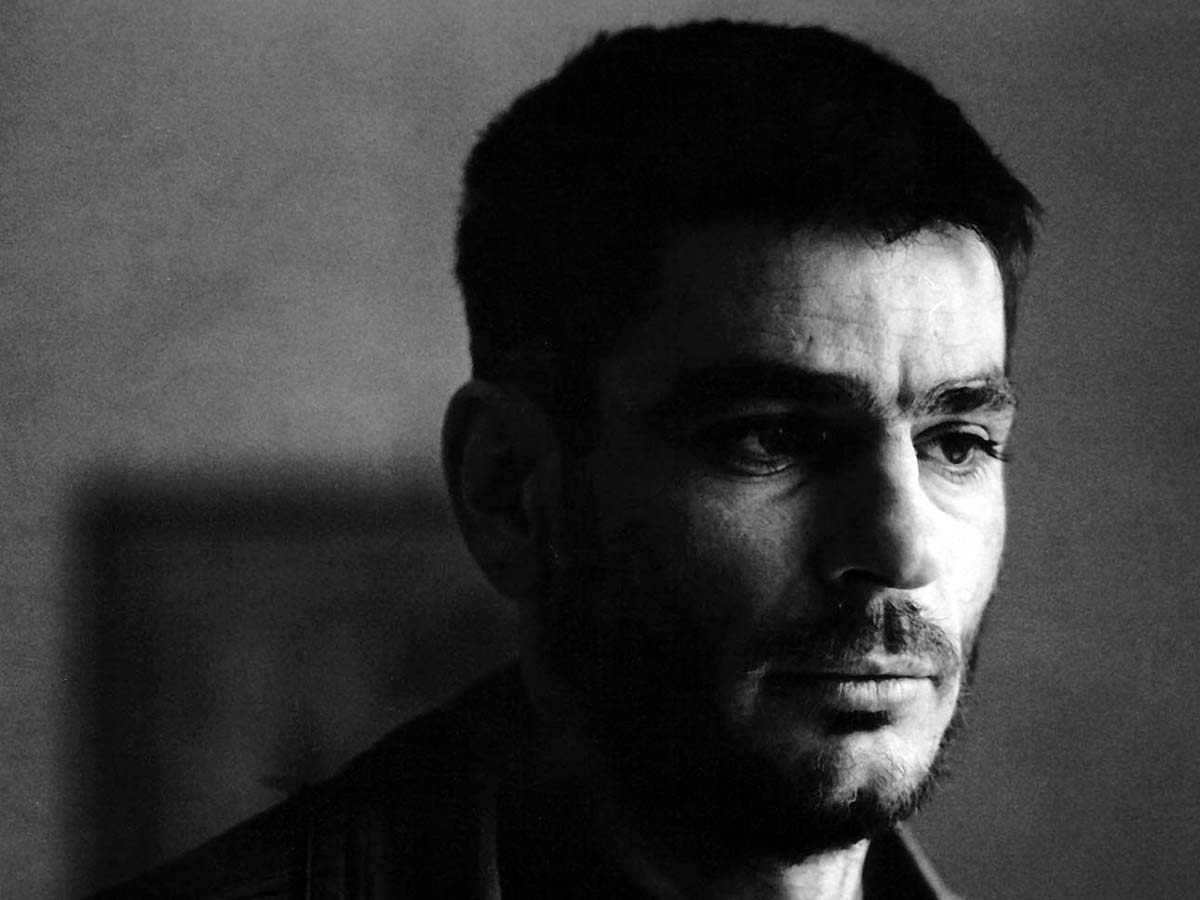
FAMA Collection, Sarajevo “LIFE” Magazine © FAMA Collection - Visual Archives 1992-1996 (Milomir Kovačević)
Falling apart.
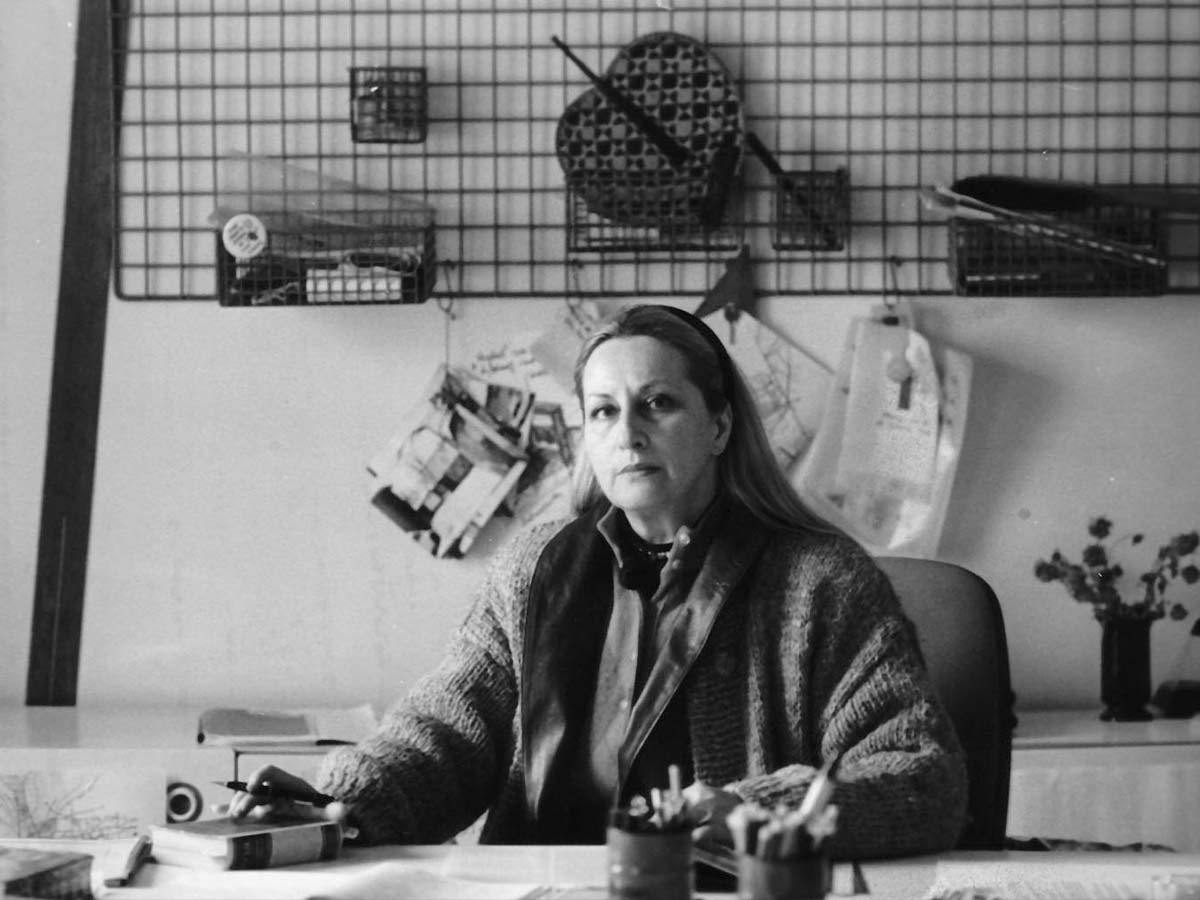
FAMA Collection, Sarajevo “LIFE” Magazine © FAMA Collection - Visual Archives 1992-1996 (Milomir Kovačević)
Stolen time.
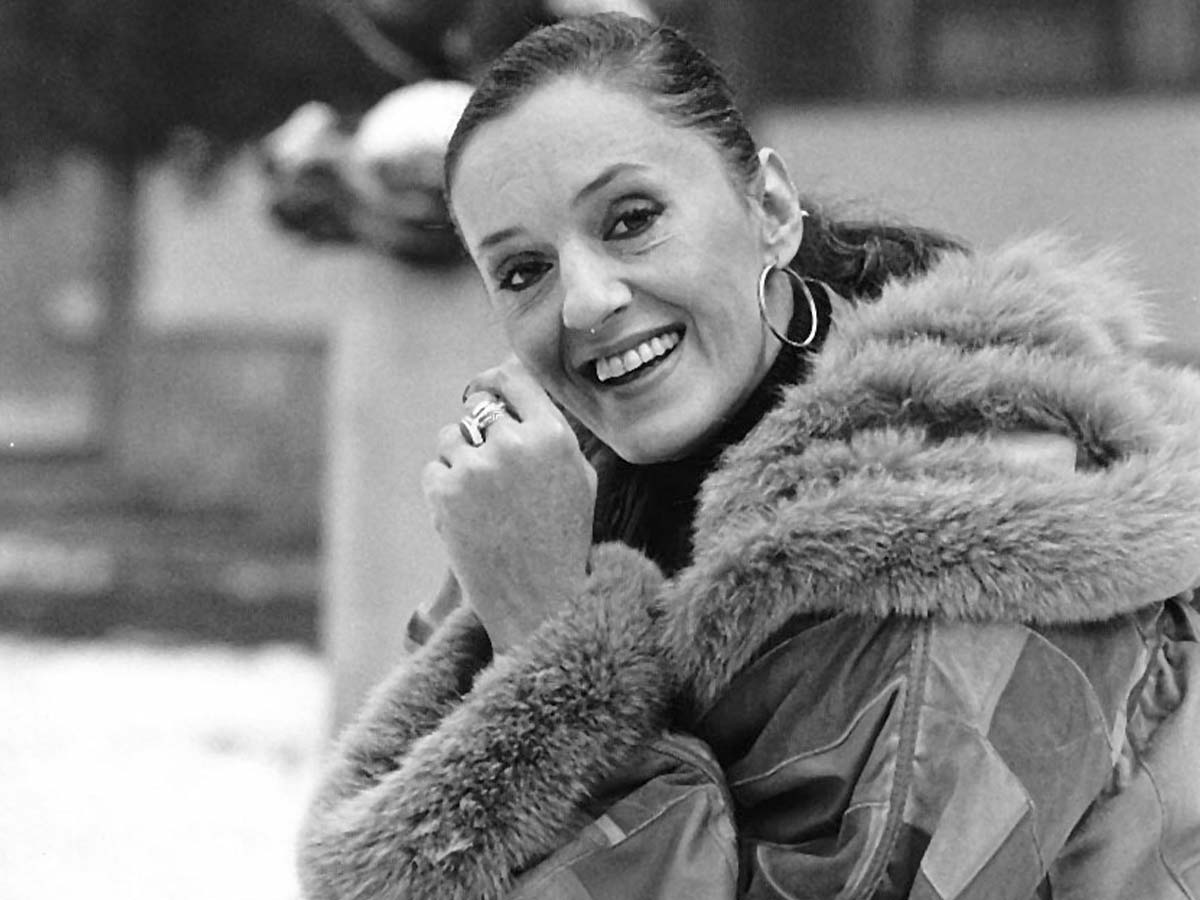
FAMA Collection, Sarajevo “LIFE” Magazine © FAMA Collection - Visual Archives 1992-1996 (Milomir Kovačević)
A sad part of the biography.
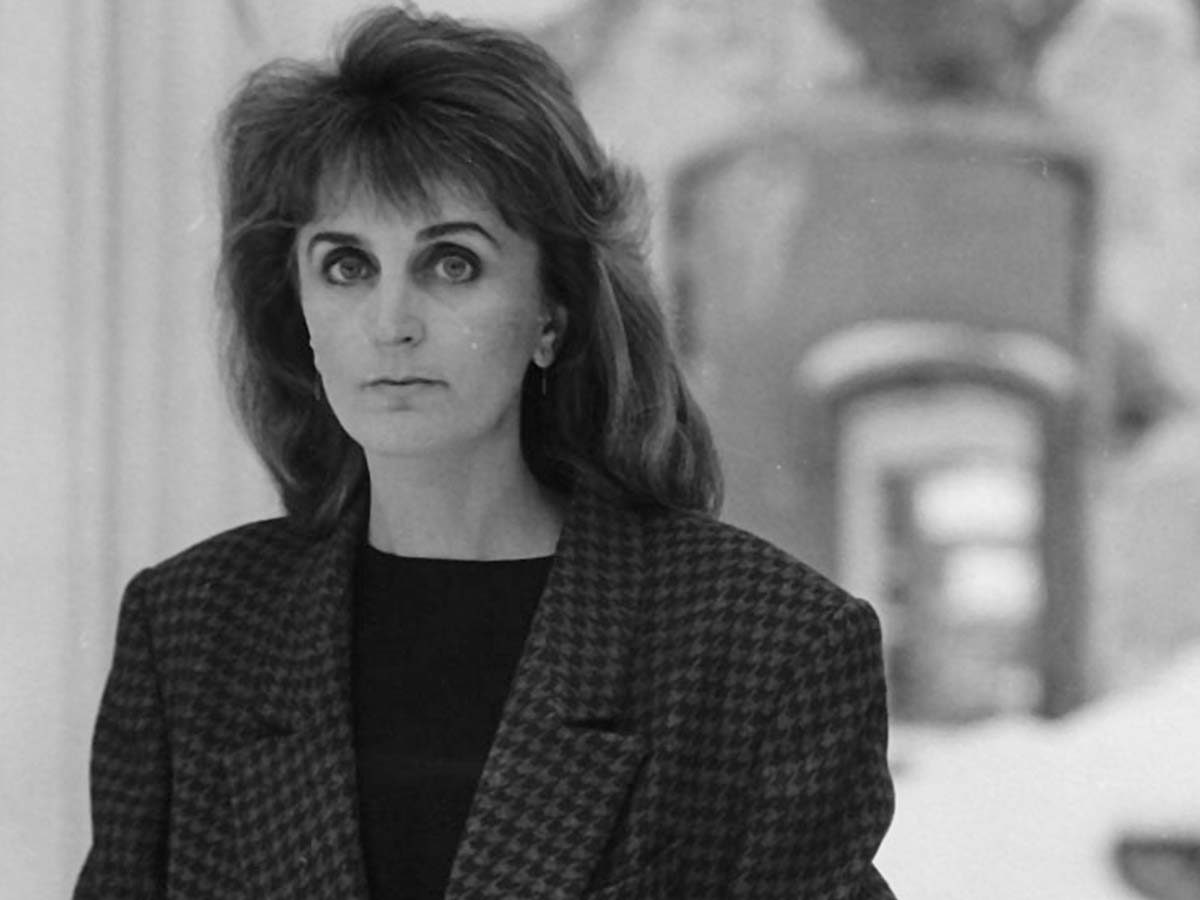
FAMA Collection, Sarajevo “LIFE” Magazine © FAMA Collection - Visual Archives 1992-1996 (Milomir Kovačević)
A fall.
„ My typewriter, which needs neither gas, nor water nor electricity, needs only my fingers. Whether they are frozen or not, and my desire, an ardent desire, used to protect me from those awful sounds, which will probably, at least it seems that way to me, remain the deepest and the most permanent trauma of war. I must admit that I did not really experience the war down in the basement. I mentioned the basement in one of my stories, but it was actually the only time I went down. My son was thirsty, so we left the basement looking for something to drink. I never went back. While other people who lived in the same area as myself, which was a very dangerous area near the Jewish cemetery, an area between two ex-sniper streets, would go down to the basement, I would read. I would read intensively. I must say, regardless of the fact that it sounds a little odd, bizarre, even perverse, I experienced the war as an another, long, long holiday, which gave me time to read everything I had failed to, read. And since I am at the age of re-reading books, I used the time to read. I was really able to concentrate.“ - Alma Lazarevska, writer
© FAMA Collection; Oral History: 'The Siege of Sarajevo 1992-1996'
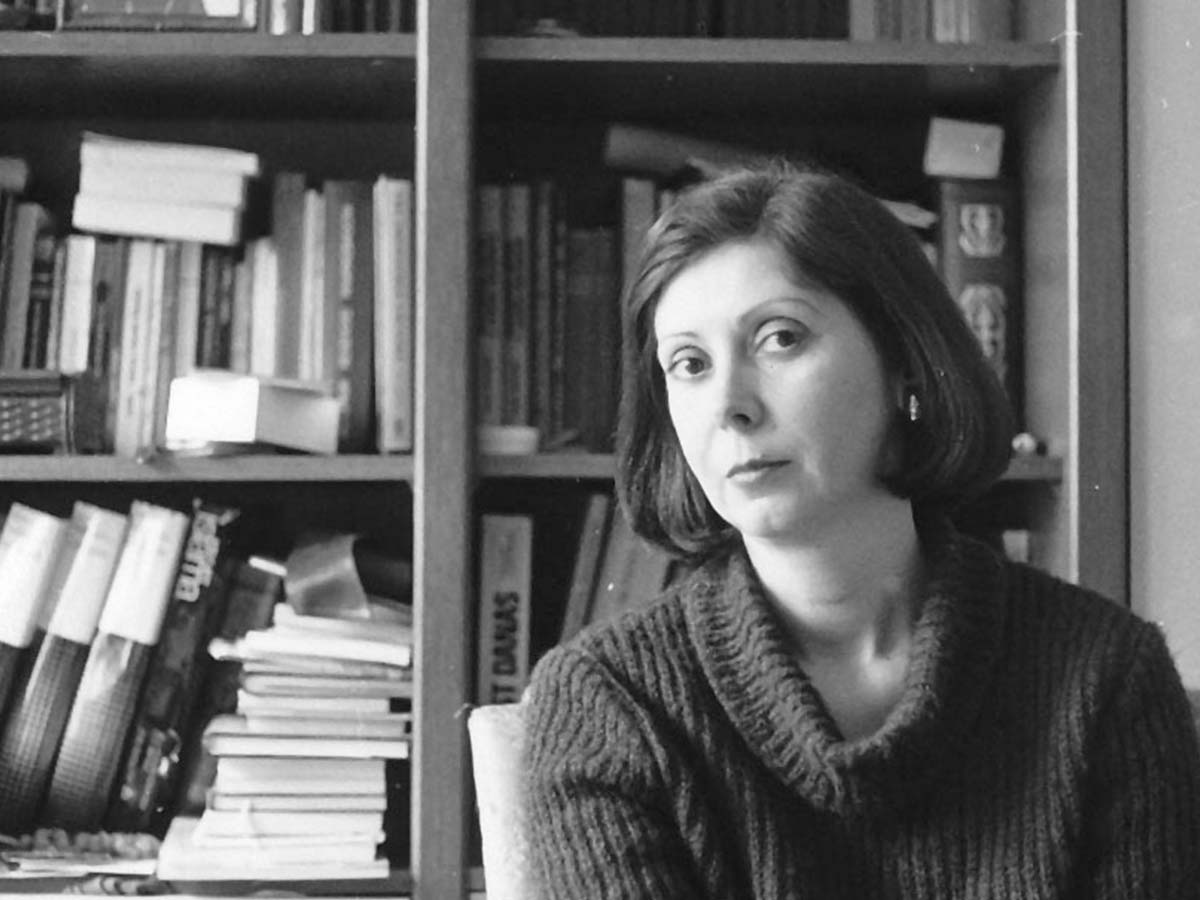
FAMA Collection, Sarajevo “LIFE” Magazine © FAMA Collection - Visual Archives 1992-1996 (Milomir Kovačević)
Disillusionment.
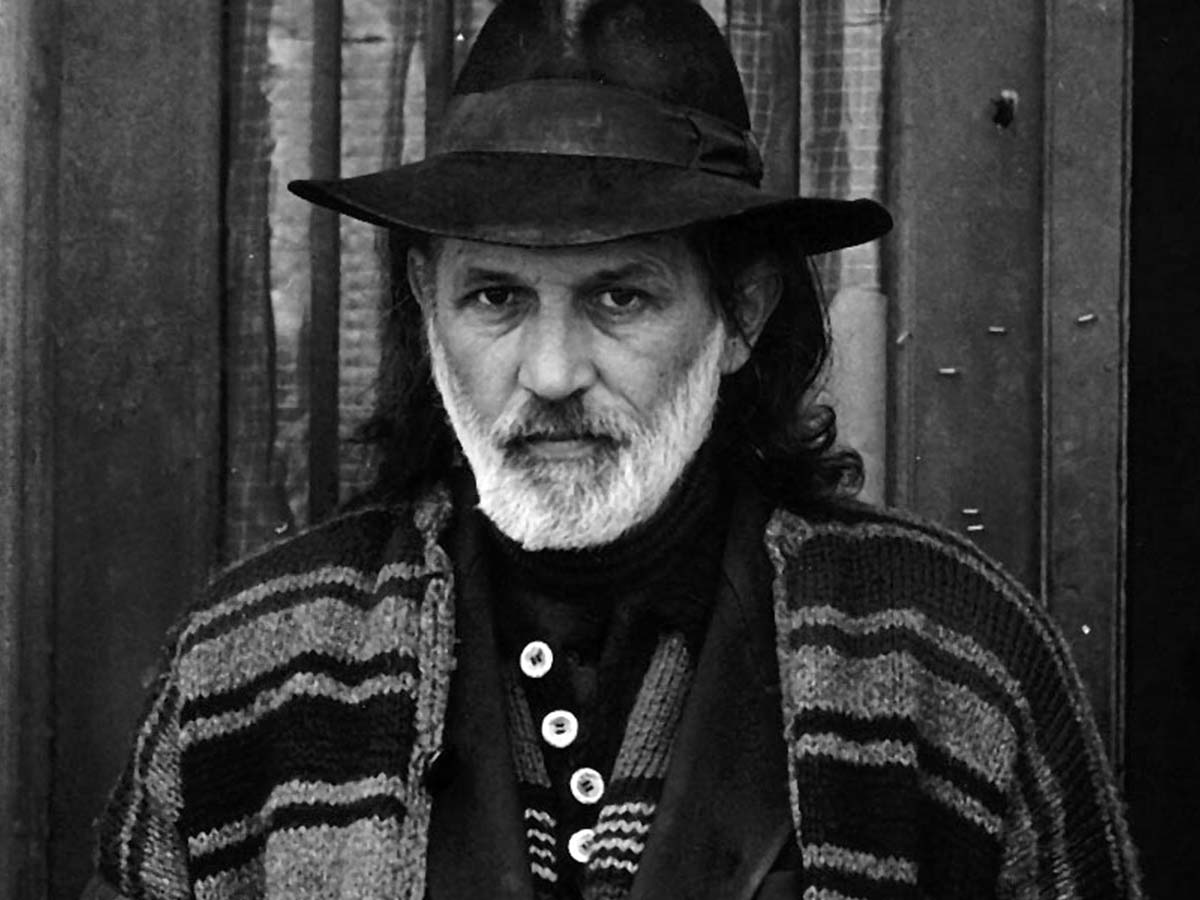
FAMA Collection, Sarajevo “LIFE” Magazine © FAMA Collection - Visual Archives 1992-1996 (Milomir Kovačević)
Totally out of place.
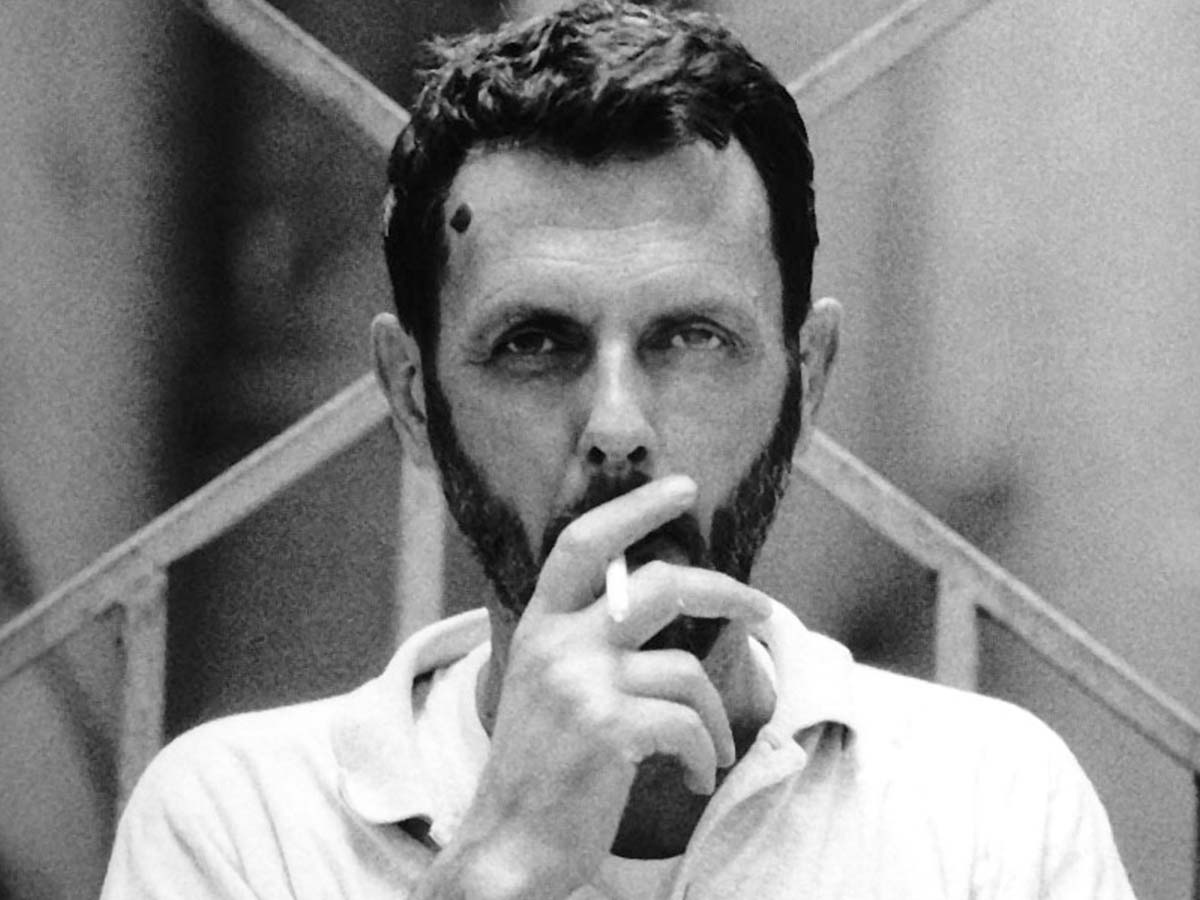
FAMA Collection, Sarajevo “LIFE” Magazine © FAMA Collection - Visual Archives 1992-1996 (Milomir Kovačević)
Senile adolescence.
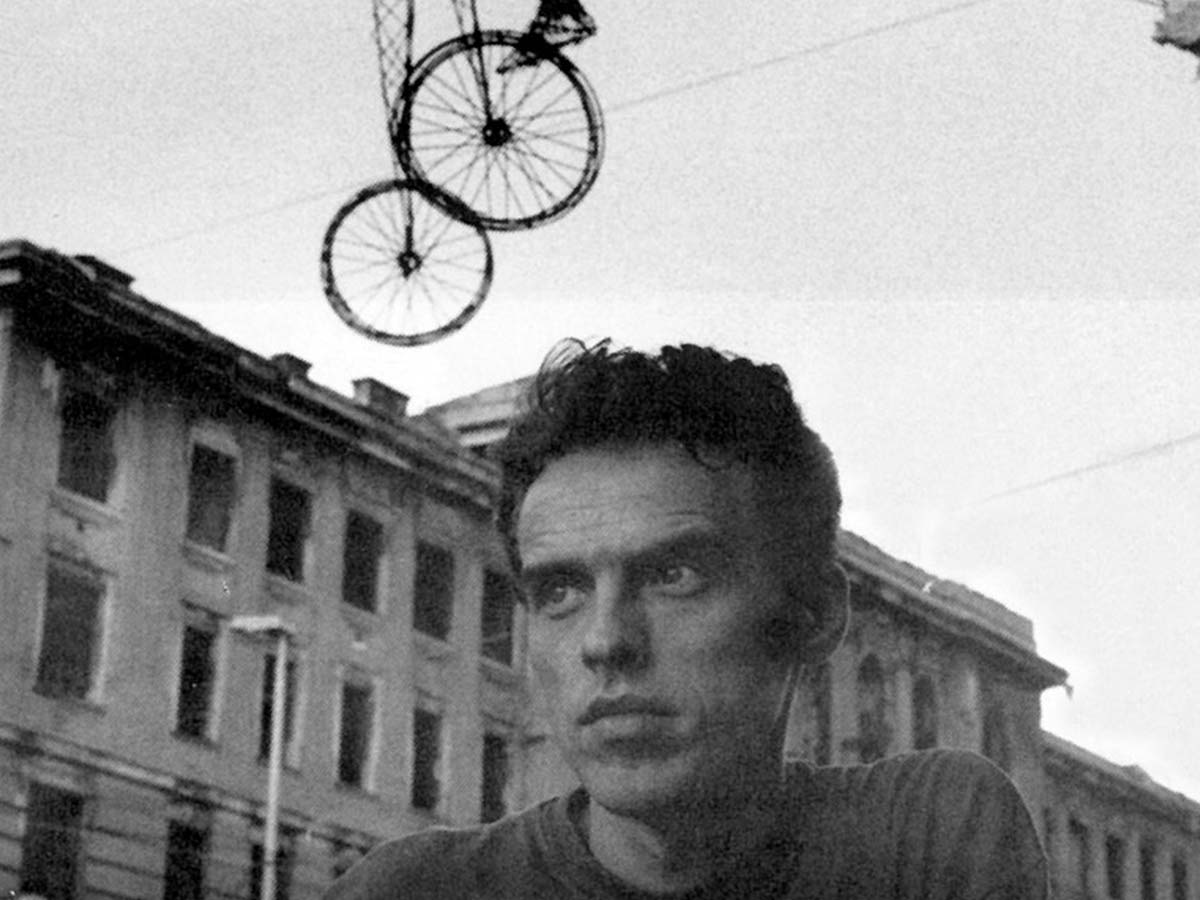
FAMA Collection, Sarajevo “LIFE” Magazine © FAMA Collection - Visual Archives 1992-1996 (Milomir Kovačević)
Twilight zone.
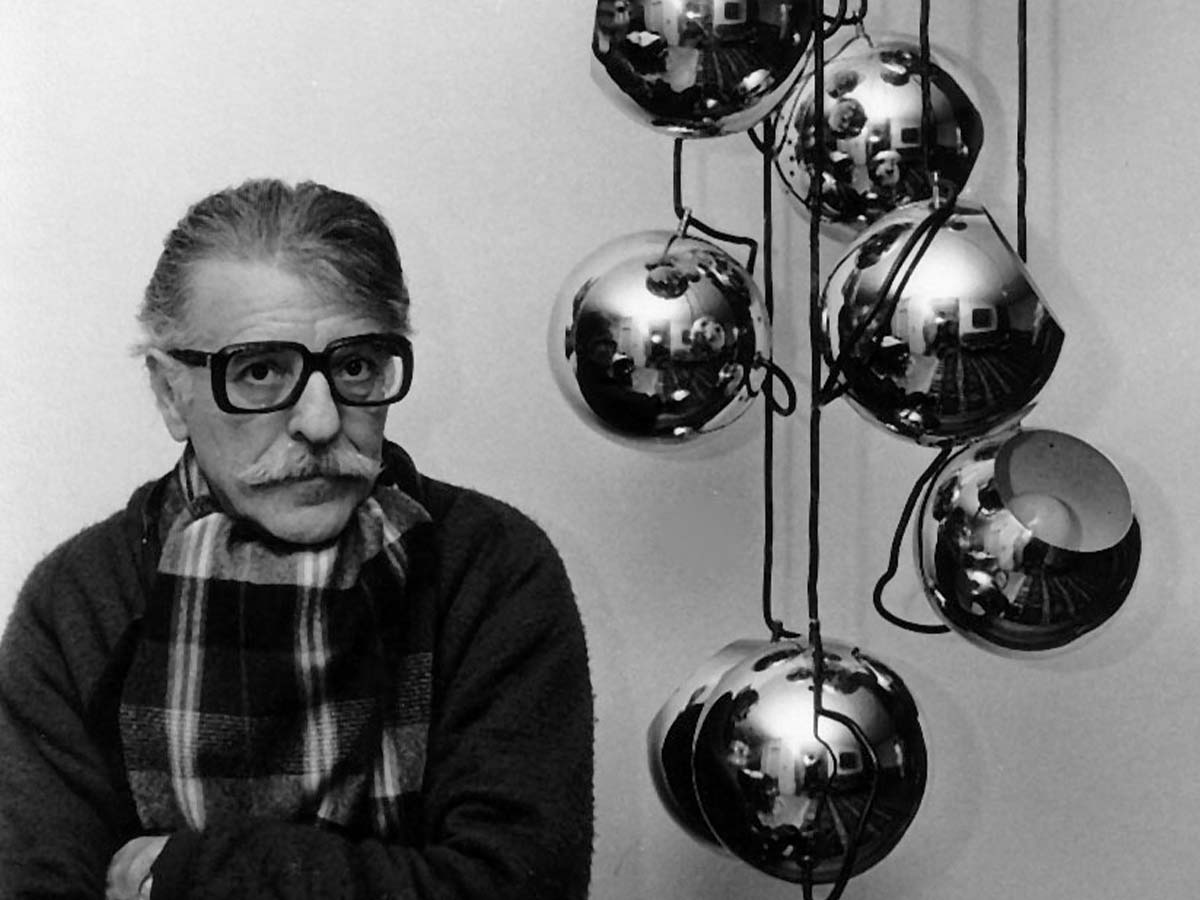
FAMA Collection, Sarajevo “LIFE” Magazine © FAMA Collection - Visual Archives 1992-1996 (Milomir Kovačević)
Unexpectedly miserable.
Absolute creation was no longer the privilege of the elite. Each individual's ability to overcome constant crisis opened up the same possibilities. Those who were never artists became artists of life.
I was watching TV using a battery that was charged by a windmill. The wind made the windmill produce electricity that charged the battery. This was only possible when there was wind, of course, and when the battery would charge in 24 hours.