


The Siege of Sarajevo 1992-1996
“I had to walk those 7 km every day, more hungry than full, a bit frozen”
Macro Story #27: City

Macro story #27 is dedicated to the SURVIVAL AND RESILIENCE of the citizens of Sarajevo during the four-year siege. The focus of this edition of Macro Story is on the CITY. The city of Sarajevo as an urban structure that merged with the destinies of its inhabitants during the siege, that breathed together with them and that hid them from the "invisible" enemy. From two original studies produced by FAMA Methodology "Survival Questionnaire" and "Sarajevo LIFE Magazine", we have selected part of the statements of the citizens of Sarajevo about the city as a polygon of life and death where movement, running through streets and intersections, and driving at high speeds become essential for daily survival.
Different parts of the city survived under different conditions. In 1996, we realized that it was time to establish a methodological course by conducting a survey in ten different parts of the city. All survey questions related to the experience of being under siege at all levels of survival. But that was not enough to create a complete picture. Therefore, we digitized 4,637 surveys and received an instant answer to each of the questions. And we came to great discoveries. 4,637 responses can be considered a sufficiently significant sample for the frequent answers to be accepted as a rule. For example, based on the answers in the surveys, we saw that the citizens of Sarajevo found different ways to move from point A to point B in the city under siege, very often crossing long distances, aware of the enormous risk to which they are constantly exposed.
Although we lived under siege, we were also observers of the phenomenon of the end of an urban civilization (which Sarajevo was at the end of the 20th century) and the establishment of a new civilization that resembled science fiction movies and the contemporary documentary TV series "Life After People". Observing people who create from very limited resources, exposed to constant terror, reduced to moving targets - is an important experience about human nature. We wanted to learn as much as possible about the possibilities of human nature and the mind, which operate freely despite all the limitations of the given situation. From our former life, we knew the American magazine "LIFE" and the statement of Henri Luca, its founder and owner, who in the twentieth century revealed hidden and unknown things to readers. This motivated us to present LIFE in our edition, placing it in the middle of the siege of Sarajevo, a city so isolated and distant from the rest of the world. Today it is an anthropological document about a difficult time and the human struggle to overcome the situation in which they found themselves instead of becoming its victims.
FAMA Methodology presents part of the statements of Sarajevo citizens from the study "Survival Questionnaire" and "Sarajevo LIFE Magazine".
This Survival Questionnaire study, produced shortly after the war, was the first and so far only large-scale public opinion survey to document daily life during the siege of Sarajevo. The testimonies of 4,637 citizens from all city municipalities revealed a matrix of the difficulty of survival, ingenuity, and resilience. Encompassing responses to 31 questions about daily routines, innovation, and mental toughness, the digitized surveys offer a rare insight into basic survival. This study deepens our understanding of life under siege by correlating responses by age, gender, profession, and urban location. In this chapter, we highlight the statements of the citizens of Sarajevo about how they moved around the city, what means of transportation were available to them, and what it meant for them to remain mobile in a state of siege. During the siege, moving around the city also became a form of resistance.
Micro-District
number of respondents: 135 (2.9% of the total sample of 4,637)

© FAMA Collection; 'Survival Map (The Siege of Sarajevo 1992-1996)'
Only on foot, obtaining food and water.
I was moving around town because I went to college. I mostly walked, and sometimes hitchhiked.
I moved around town very little, going to the doctor and to withdraw money or a package, by bike and on foot.
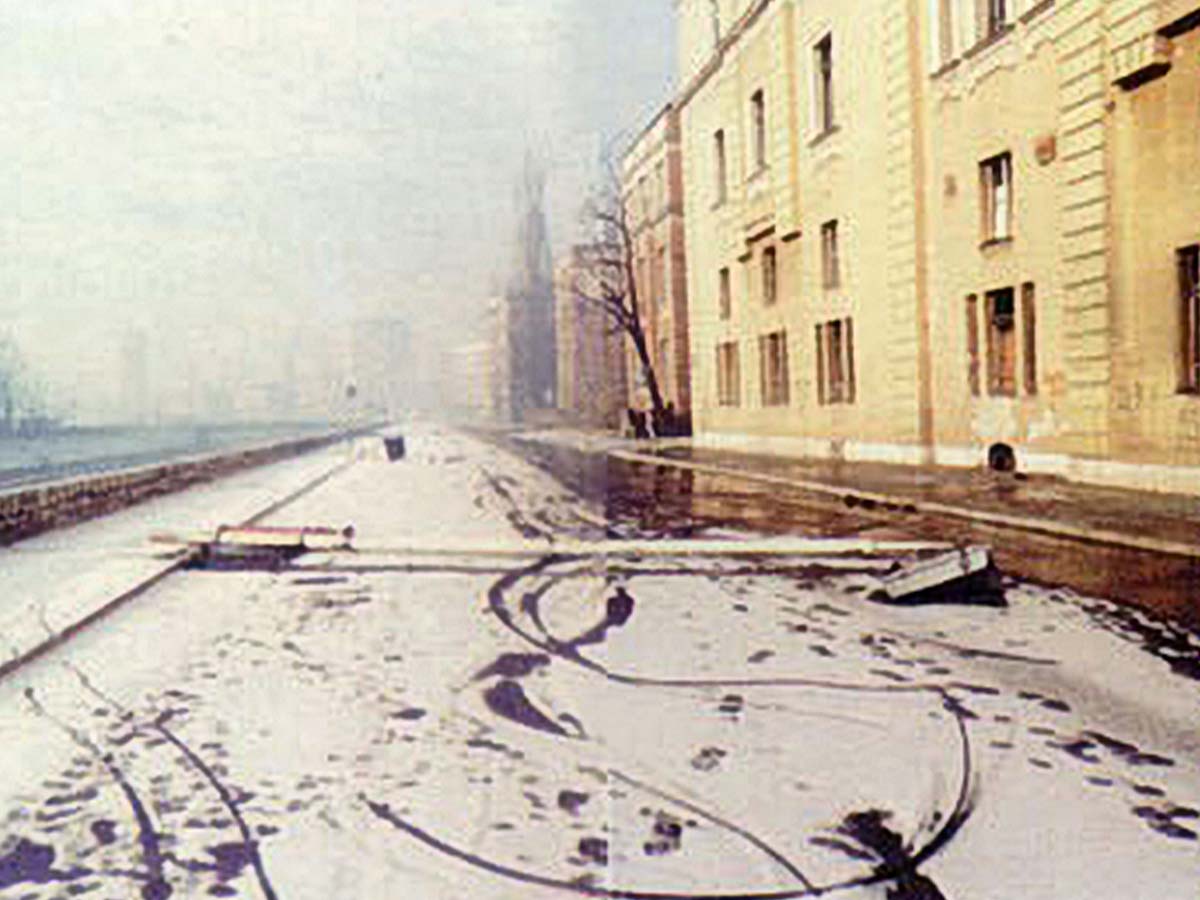
One of the main city roads, Sarajevo 1992-1996 © FAMA Collection - Visual Archives 1992-1996 (Željko Puljić)
I moved around the neighbourhood more, on foot, mostly to school, and when I went to the city, I would hitchhike.
Transportation in the city was critical. I personally moved for a good part of the war on foot from Dobrinja to Marijin Dvor.
I very rarely went to the city, and even when I did, I used my dad's bike. On foot, by hitchhiking...
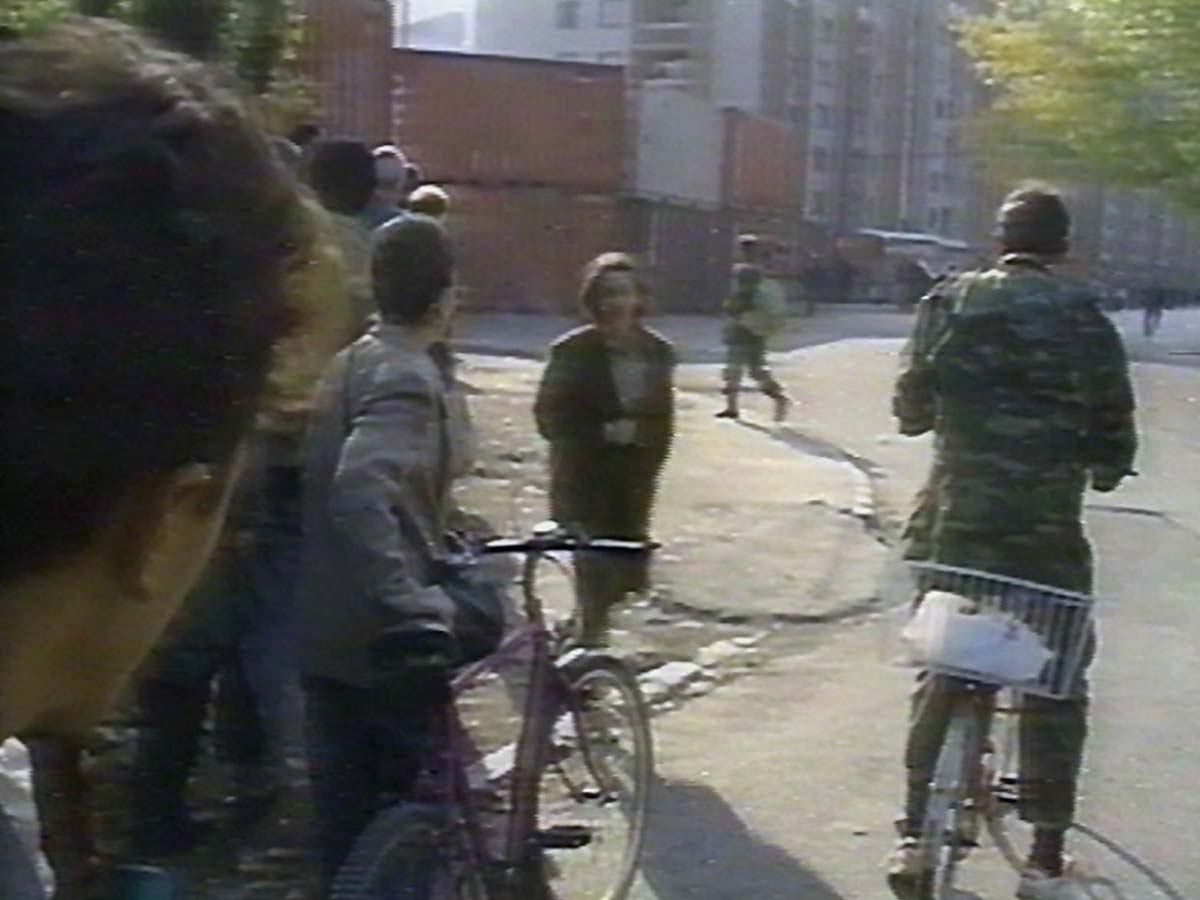
Citizens cross dangerous intersections, Sarajevo 1992-1996 © FAMA Collection - Visual Archives 1992-1996
I moved on foot or I hitchhiked to visit family and go digging trenches.
I moved around on foot, by bicycle, and by hitchhiking, mostly to get to the train station.
I didn't leave Dobrinja for the entire war.
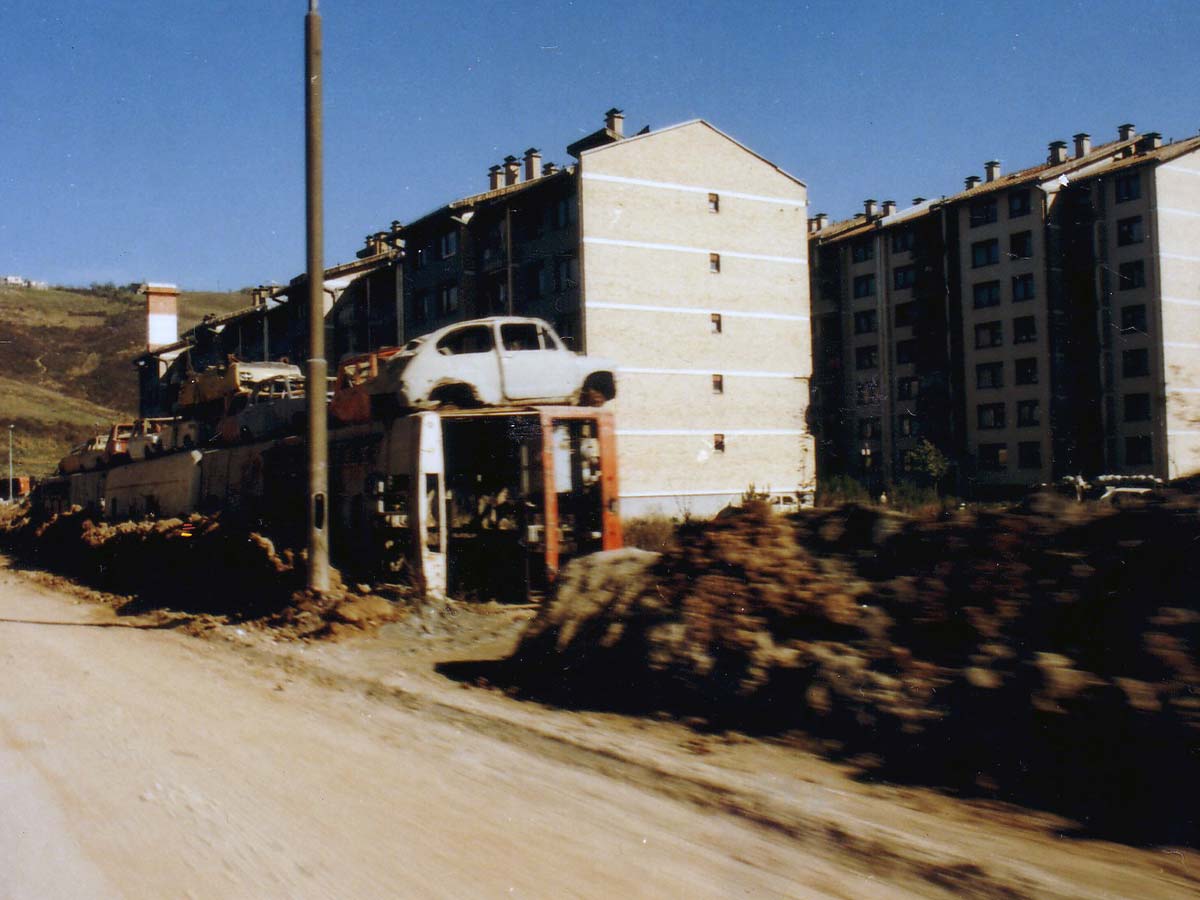
District of Dobrinja, Sarajevo 1992-1996 © FAMA Collection - Visual Archives 1992-1996 (Drago Resner)
I moved around the neighbourhood more than the city, mostly on foot, and if I was lucky, by car. Mostly to visits family and relatives.
I went running to get bread and water.
No transportation. Walking to go to work, to the market, and to pick up humanitarian aid, fetch water, and procure firewood.
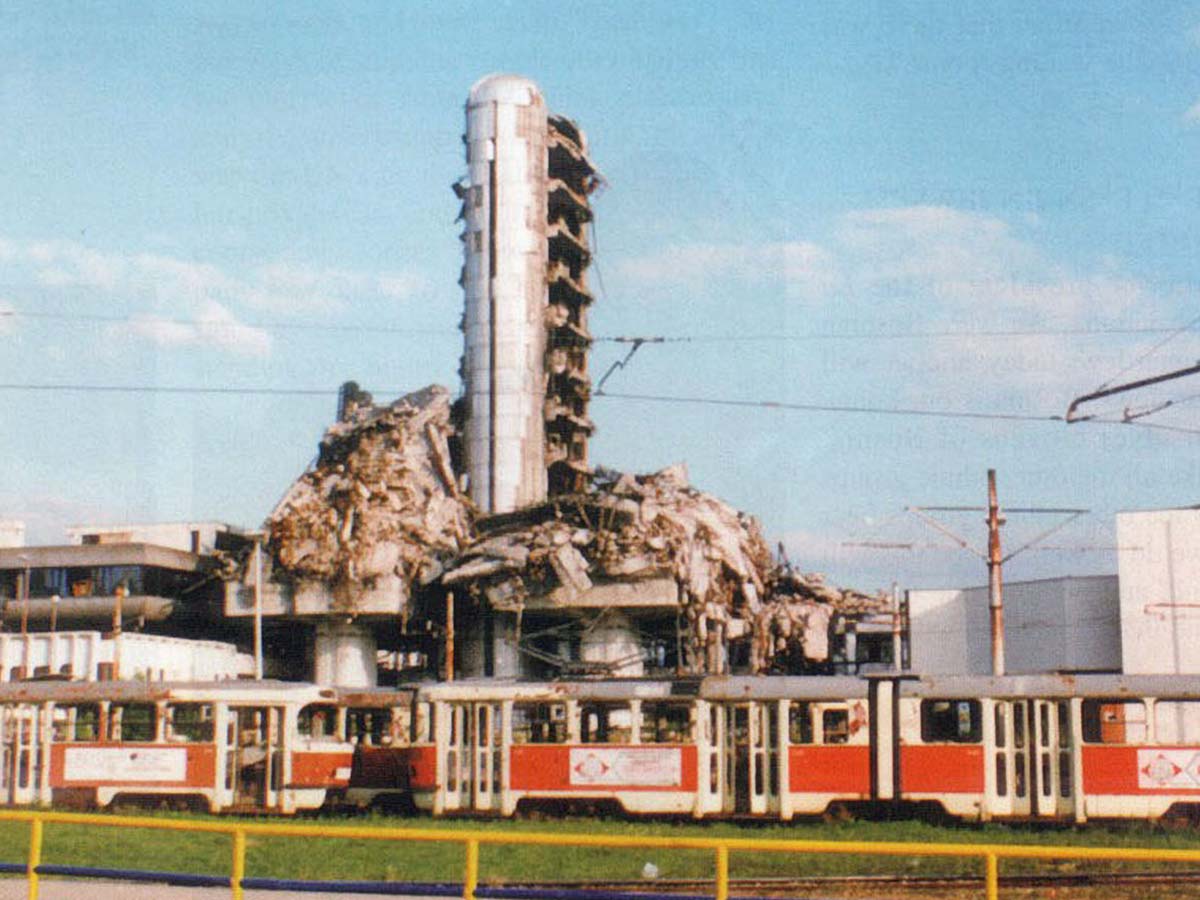
Destroyed tram, Sarajevo 1992-1996 © FAMA Collection - Visual Archives 1992-1996
During the war, I only moved around town when the conditions were right for me to leave Dobrinja. Then I went to my workplace, to go shopping, and always on foot.
I didn't go anywhere.
I moved rarely, because it was difficult to get from Dobrinja to the city because of sniper fire. I went a few times, by car, for my own needs.
This anthropological study Resilience in the form of surveys, a redesign of the famous American magazine "LIFE" (which dealt with research and documentation of the new, unknown and, above all, sociologically important for the world as a whole), was made during 1995, during the siege of Sarajevo. Intellectuals and artists of the city under siege answered the eternal questions of good and evil, hope and death, love and survival in difficult times. Their answers represent hope for humanity and a special study on the mental health of individuals exposed to years of terror. Redesigned in the spirit of the original American magazine "LIFE", "Sarajevo LIFE Magazine" presents an anthropological and cultural study of individual resistance and survival under siege. 87 Sarajevo artists, academics, musicians, architects, writers and actors responded through fashion, theatre, art, design and literature to universal humanist questions about life under siege. The magazine is at the same time a study of how creativity and innovation have become tools for building resistance under impossible circumstances, in which the abnormal has become normal. Life in a city under siege with constant risk, surrounded by fear and death, everyday life without the basic conditions for survival - all this had a different impact on each individual who experienced the siege. Some stayed in their apartments, others wanted to socialize. Some surrendered to fear, while others decided to adapt to the "new normal". In the same neighbourhood, in the same building, under the same circumstances in the same part of the besieged city, one person managed to provide for their basic needs, while another did not. In this chapter, we present some of the answers of public intellectuals from "Sarajevo LIFE Magazine" to the question of what the CITY of Sarajevo represented to them during the siege.
A city of utter persistence.
Sarajevo, my pain and my happiness.
Gain. Loss. Achievement. Illusion.
A cradle of courage, spite, art, life and death.
Forgotten city.
A city of great temptation. Life in all of its shapes. Incredible vitality.
"I live 7 kilometres from the Centre, which means that every day I had to walk for 7 kilometres more hungry than full, a bit frozen, so that the walk, to call it that now, a bit ironically, was a form of morning gymnastics, plus that within those 7 kilometres there were 4 to 5 places that were under sniper fire, so that there was a bit of running, sprint, some going around buildings, not to mention even some crawling. And it was a path that was pretty risky; it was risky to stay in Sarajevo, anyway, but to make that journey every day, that was an added dose of risk. But the wish to do something, to communicate with people, not to stay alone in a building without communication and not to stay alone in the sense that you don’t do anything to keep your mind intact, and your body after all. I went to the Academy every day, where I work as a teacher, and to the Obala Art Center. And walking along that path thinking how this is a day of leaving a trace because I might not manage to do so the next day or I might not be among the living and do something." - Nusret Pašić, painter
© FAMA Collection; Oral History: 'The Siege of Sarajevo 1992-1996'
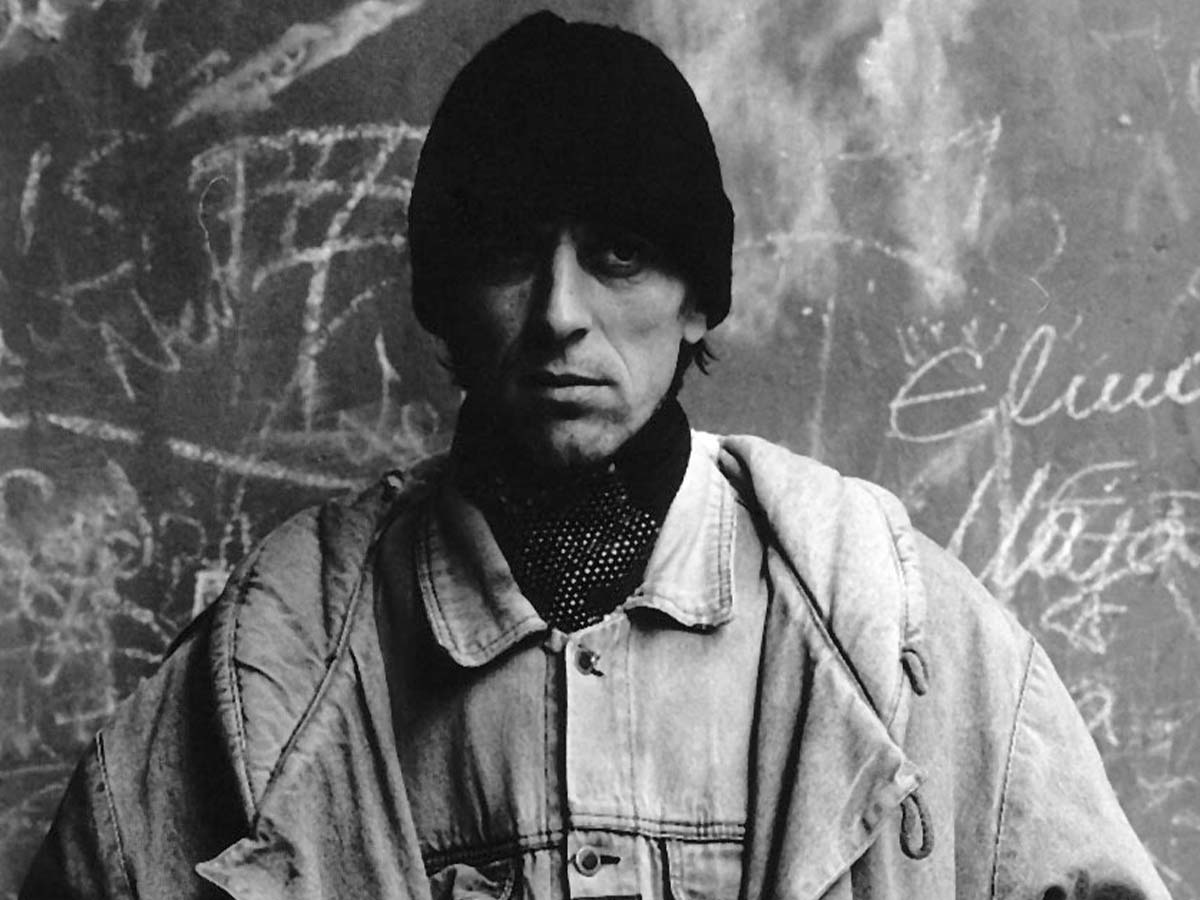
FAMA Collection, Sarajevo “LIFE” Magazine © FAMA Collection - Visual Archives 1992-1996 (Milomir Kovačević)
A city that can be understood only by very sad people.
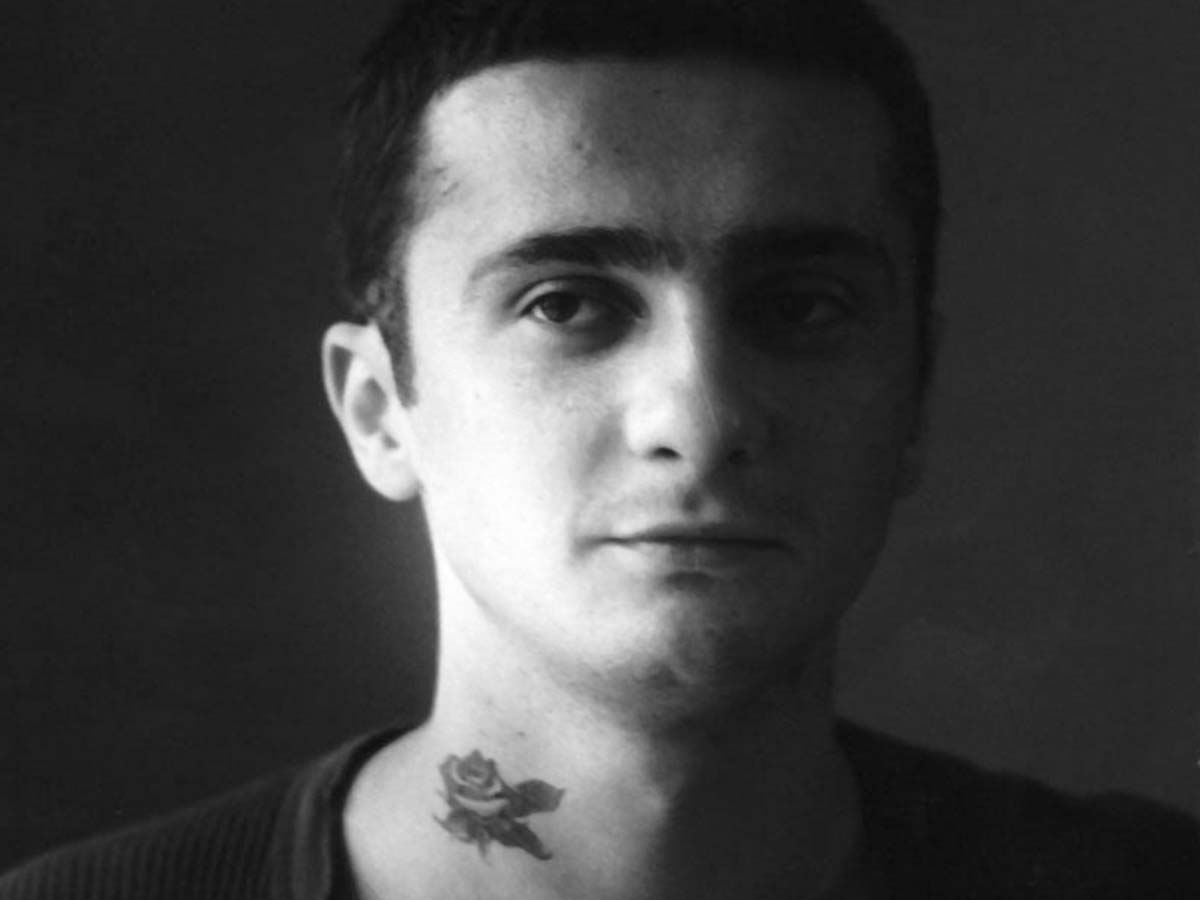
FAMA Collection, Sarajevo “LIFE” Magazine © FAMA Collection - Visual Archives 1992-1996 (Milomir Kovačević)
Pain in the brain.
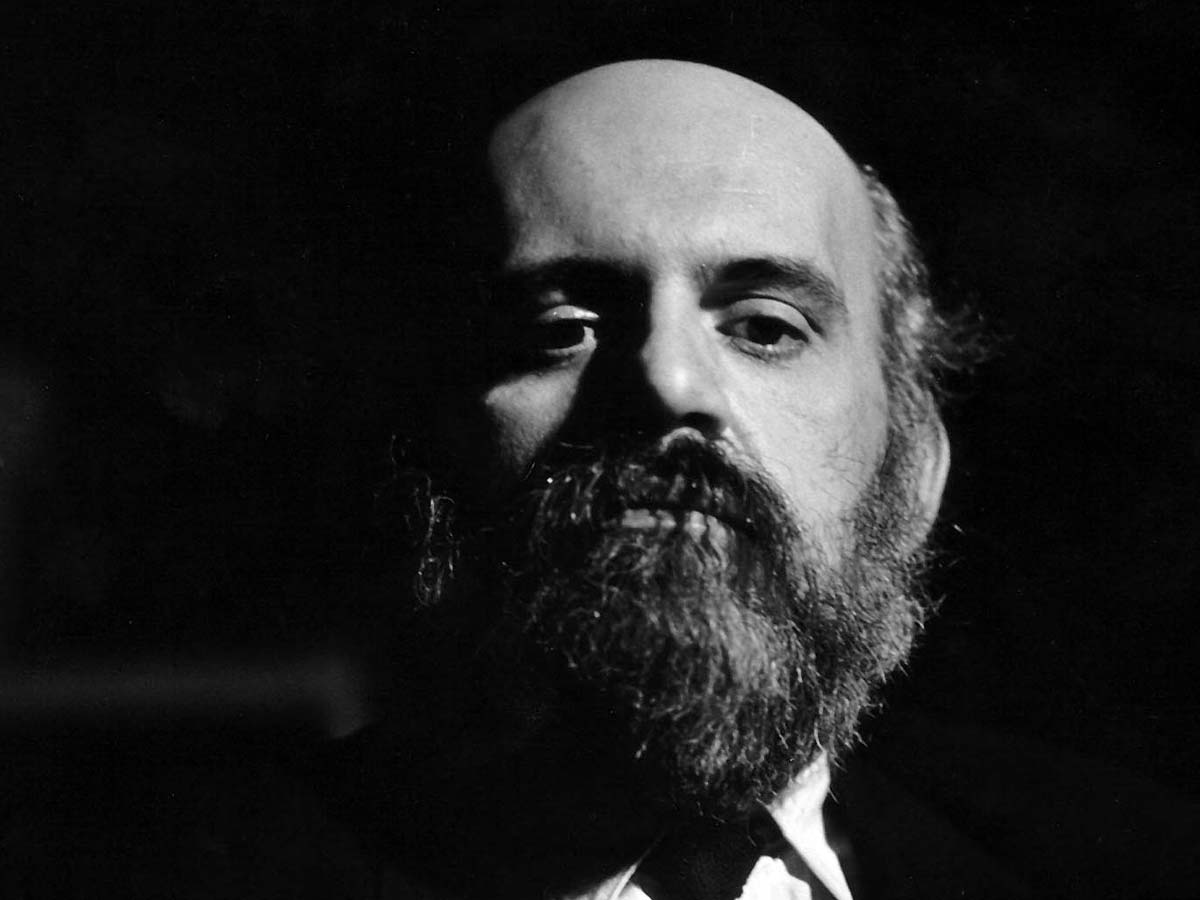
FAMA Collection, Sarajevo “LIFE” Magazine © FAMA Collection - Visual Archives 1992-1996 (Milomir Kovačević)
The last stage of my life, definitely. My own choice.
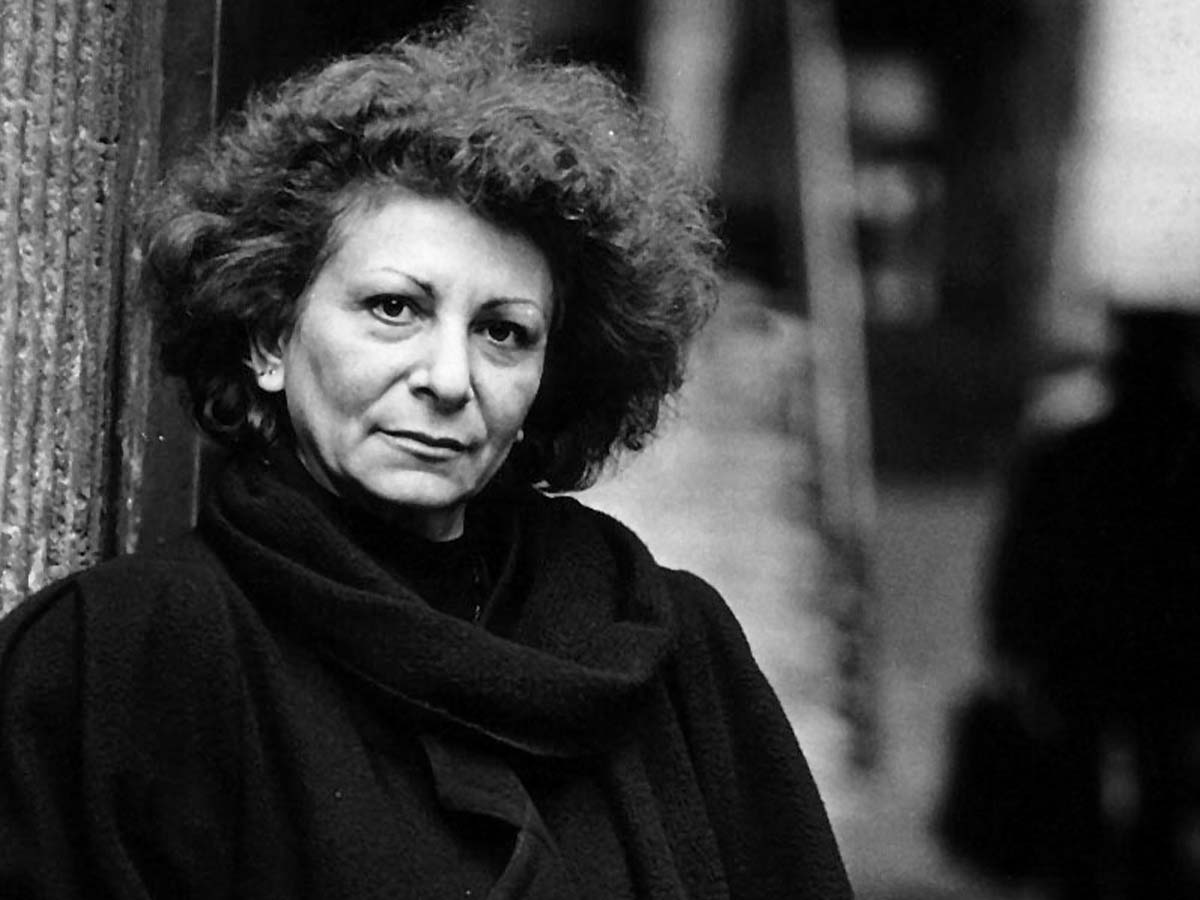
FAMA Collection, Sarajevo “LIFE” Magazine © FAMA Collection - Visual Archives 1992-1996 (Milomir Kovačević)
A city scattered in space.
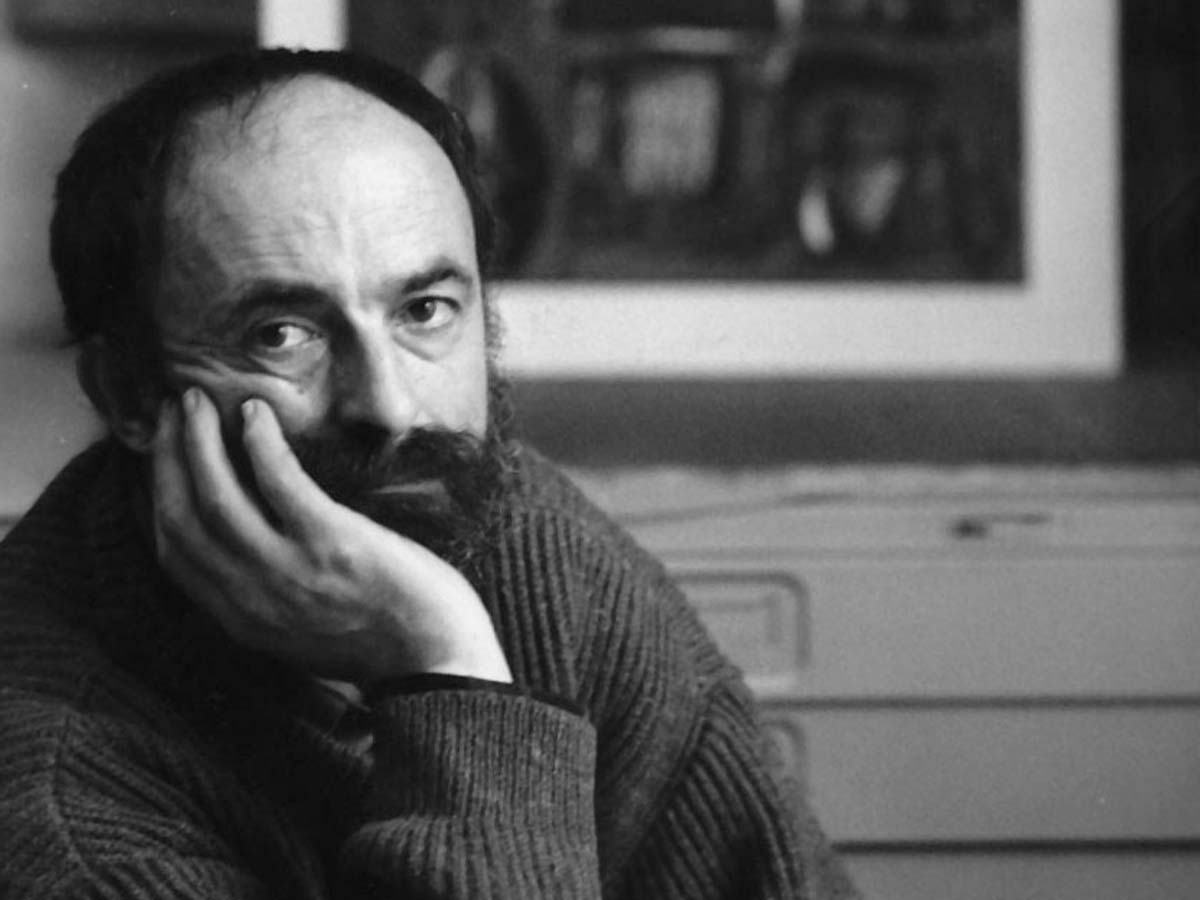
FAMA Collection, Sarajevo “LIFE” Magazine © FAMA Collection - Visual Archives 1992-1996 (Milomir Kovačević)
A martyr and a hero, as all people in it. A symbol.
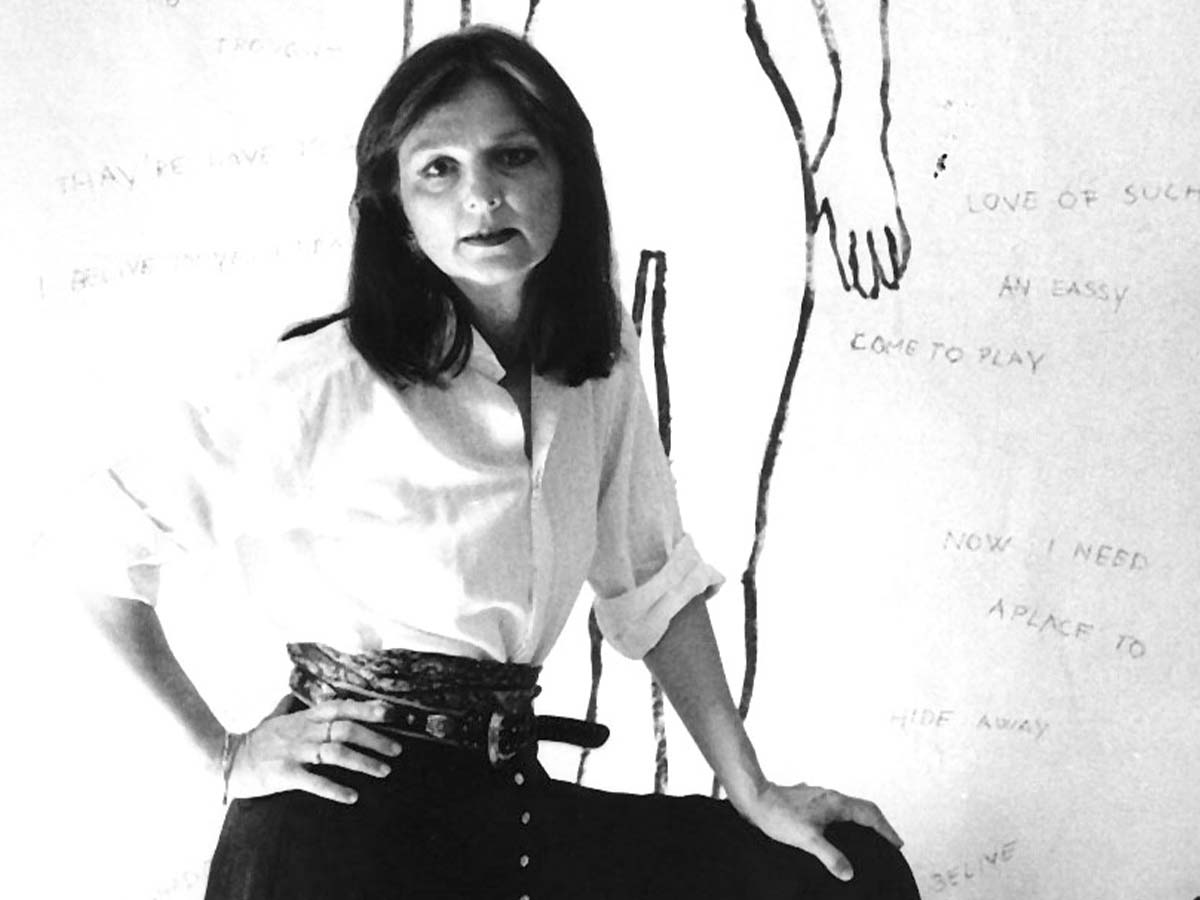
FAMA Collection, Sarajevo “LIFE” Magazine © FAMA Collection - Visual Archives 1992-1996 (Milomir Kovačević)
My love!
"With a curfew, you just can’t stay until 10 o’clock. If you stay until 10, you haven’t experienced anything, you haven’t been anywhere. But if you stay after 10 p.m., then the police can catch you, and if you stay until 5 a.m., then it’s too much of a strain, because you’re thin, underfed, and you definitely can’t hold out the whole night without sleeping until 5. That’s why I resorted to various tricks to avoid getting caught. I would take off my shoes, pay attention to where the police were standing at the end of the street, and then I would creep by very slowly. That’s how I got by a few times. One time I even had a permit for being out at night. But that permit is meaningless if none of your friends have it too. And then a couple of times I found myself out on the street at two in the morning, when it was pitch black, and then I asked myself, ‘what do I need such a permit for if all I can do is wander about all alone’? Then I quickly tore it up so that nobody could use it anymore. My memories of the curfew are excellent, because I lived right across the street from the police station. And it was always a problem to get by the policemen from other precincts when I was trying to get home. And of course, when I got to my house the police were always standing there. And they would always say, 'One day we’re going to have to arrest you, neighbour.' And I would say, 'What? I’m a law-abiding citizen. Why would you want to arrest me?' And he would say, 'There’s a curfew.' And then I’d say, 'Since when? Nobody ever told me about it.'" - Amra Zulfikarpašić, designer
© FAMA Collection; Oral History: 'The Siege of Sarajevo 1992-1996'
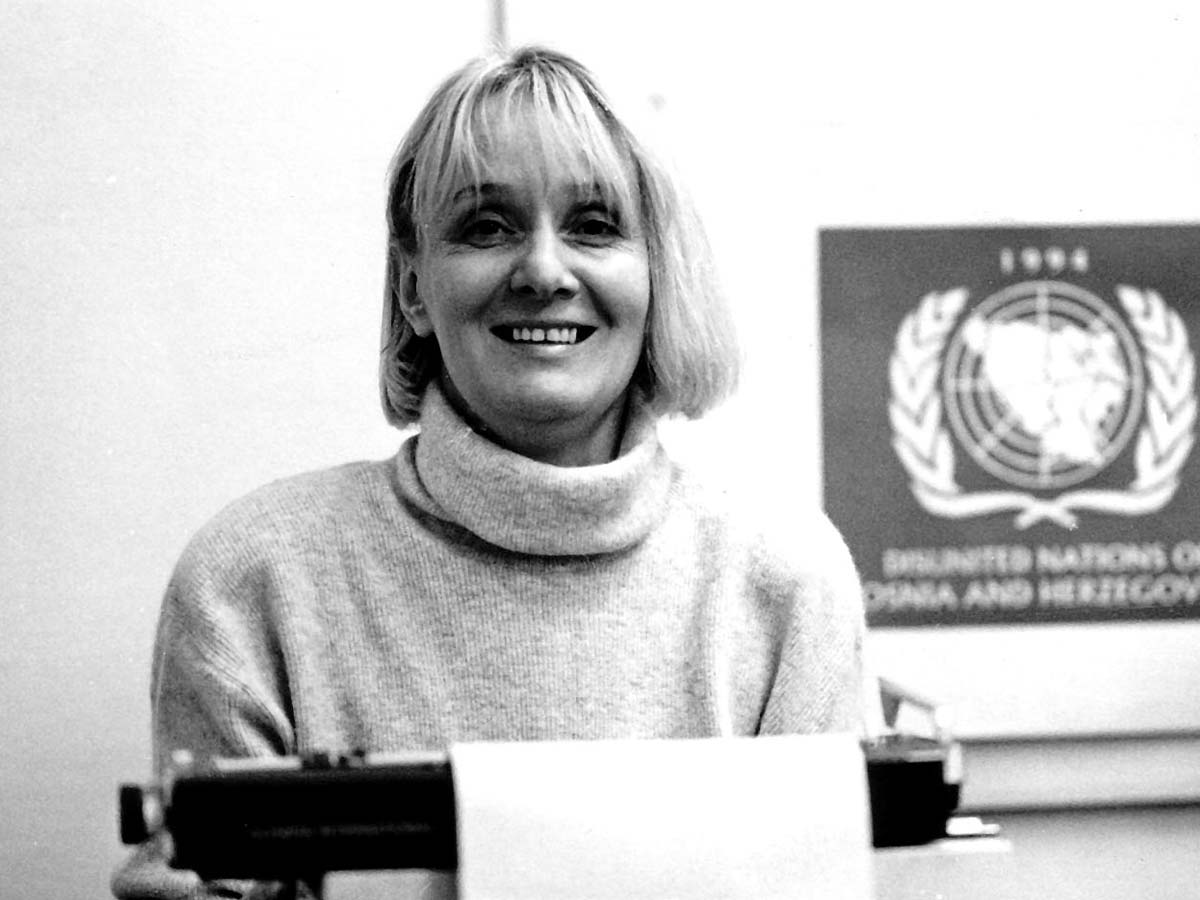
FAMA Collection, Sarajevo “LIFE” Magazine © FAMA Collection - Visual Archives 1992-1996 (Milomir Kovačević)
Fate and choice.
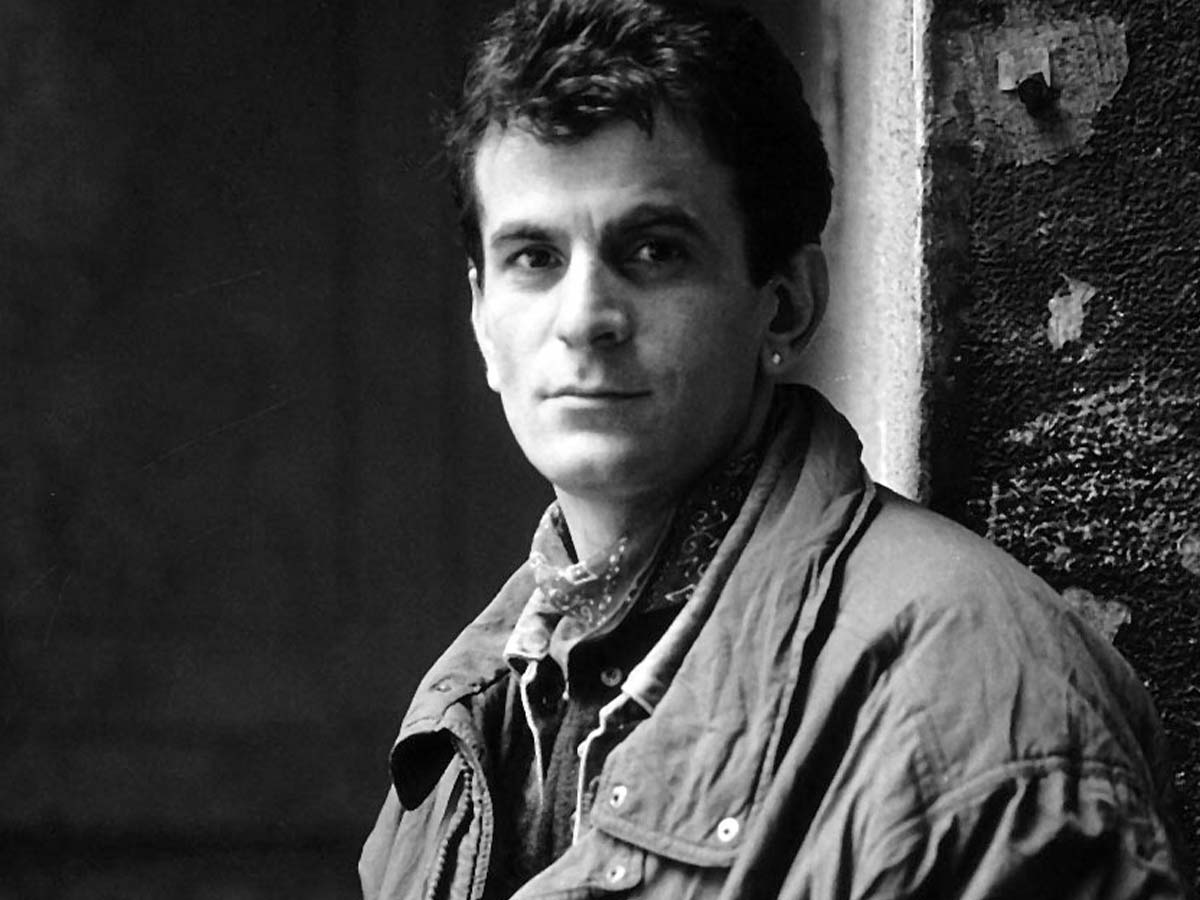
FAMA Collection, Sarajevo “LIFE” Magazine © FAMA Collection - Visual Archives 1992-1996 (Milomir Kovačević)
Lion.
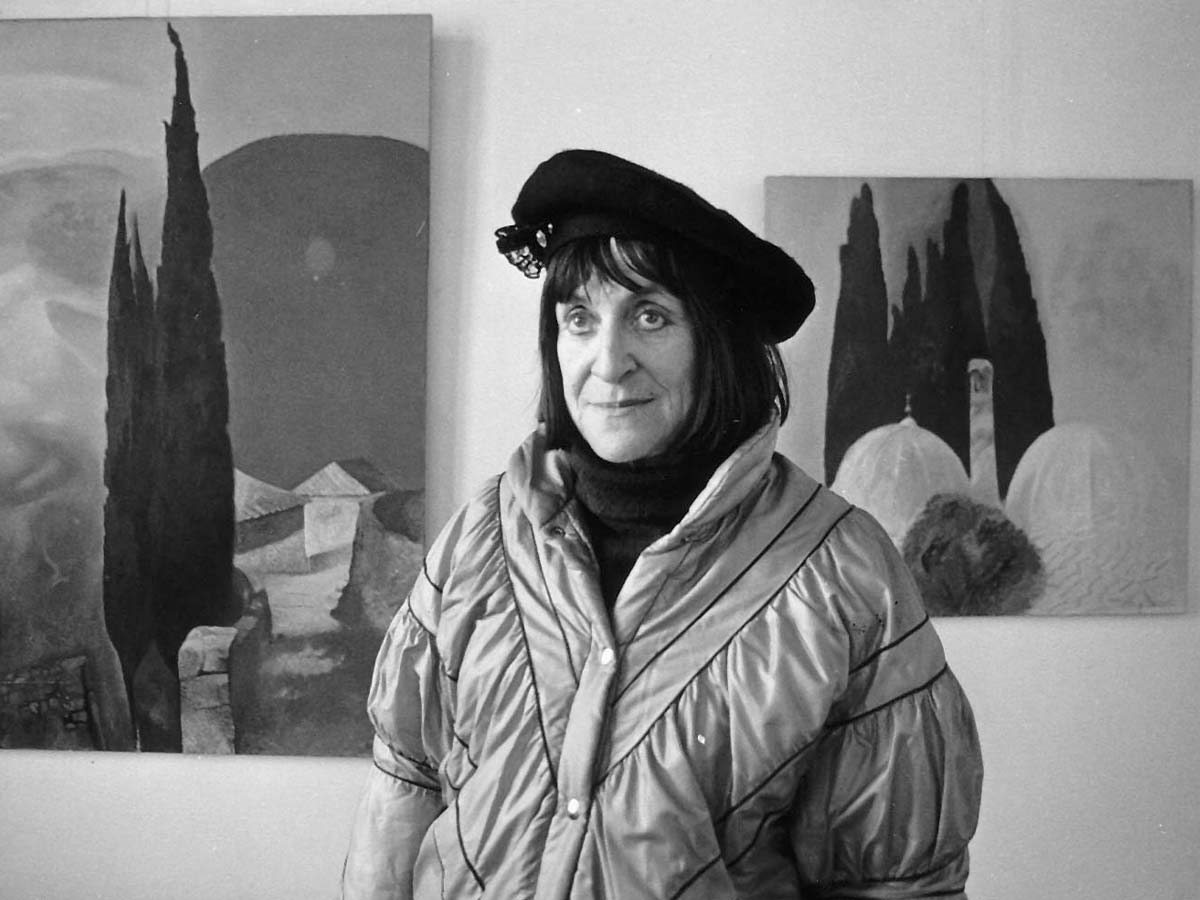
FAMA Collection, Sarajevo “LIFE” Magazine © FAMA Collection - Visual Archives 1992-1996 (Milomir Kovačević)
A trap for those who love it.
In limiting circumstances, freedom is about recognizing and respecting new rules. An individual's decision to move around the city despite the risk of becoming a sniper's target was a well-considered assessment of the situation: you were not safe anywhere, because danger threatened from everywhere, but the most dangerous thing was to be "trapped" by that situation.
Walking kept me from going insane.