


The Siege of Sarajevo 1992-1996
“Work saved me from going insane”
Macro Story #25: Work

Macro Story #25 is dedicated to the SURVIVAL AND RESILIENCE of the citizens of Sarajevo during the four-year siege. The focus of this edition of the Macro Story is WORK and its importance for the citizens of Sarajevo. From two original studies produced by FAMA Methodology, we have selected some of the statements of the citizens of Sarajevo about what they did during the siege and how everyday work contributed to the preservation of the mental and physical health of individuals who, even in the most difficult conditions, did not give up on the need to defy everyday terror through work, activity and creation.
Different parts of the city survived under different conditions. In 1996, we realized that it was time to establish a methodological course by conducting a survey in ten different parts of the city. All survey questions related to the experience of being under siege at all levels of survival. But that was not enough to create a complete picture. Therefore, we digitized 4,637 surveys and received an instant answer to each of the questions. And we came to great discoveries. 4,637 responses can be considered a sufficiently significant sample for the frequent answers to be accepted as a rule. For example: WORK is the law of survival; you must not think about anything except what is happening at the moment. The citizens of Sarajevo tried to continue working and doing their own or some other, necessary daily tasks at that time.
Although we lived under siege, we were also observers of the phenomenon of the end of an urban civilization (which Sarajevo was at the end of the 20th century) and the establishment of a new civilization that resembled science fiction movies and the contemporary documentary TV series "Life After People". Observing people who create from very limited resources, exposed to constant terror, reduced to moving targets - is an important experience about human nature. We wanted to learn as much as possible about the possibilities of human nature and the mind, which operate freely despite all the limitations of the given situation. From our former life, we knew the American magazine "LIFE", which in the twentieth century conquered the whole world by revealing hidden, unknown and distant things to readers. The manifesto of the founder and owner of LIFE, Henry Luce, motivated us to make our thematic edition, setting it in the middle of the siege of Sarajevo. Today it is an anthropological document about a difficult time and the human struggle to overcome the situation in which they found themselves instead of becoming its victims.
FAMA Methodology presents part of the statements of Sarajevo citizens from the study "Survival Questionnaire" and "Sarajevo LIFE Magazine".
This Survival Questionnaire study, produced shortly after the war, was the first and so far only large-scale public opinion survey to document daily life during the siege of Sarajevo. The testimonies of 4,637 citizens from all city municipalities revealed a matrix of the difficulty of survival, ingenuity, and resilience. Encompassing responses to 31 questions about daily routines, innovation, and mental toughness, the digitized surveys offer a rare insight into basic survival and WORK as the law of survival. This study deepens our understanding of life under siege by correlating responses by age, gender, profession, and city location. In this chapter, we highlight statements by Sarajevo citizens regarding their daily chores and work during the siege.
Micro-District
number of respondents: 370 (7.9% of the total sample of 4,637)

© FAMA Collection; 'Survival Map (The Siege of Sarajevo 1992-1996)'
I work at the central office in Elektroprivreda. I've been working there the whole war. I answer and connect people at the bars.
Unloading goods, distributing food, and keeping guard at Caritas.
During work duty, I did the usual jobs, because I was also a cashier and a courier and everything that could be done.
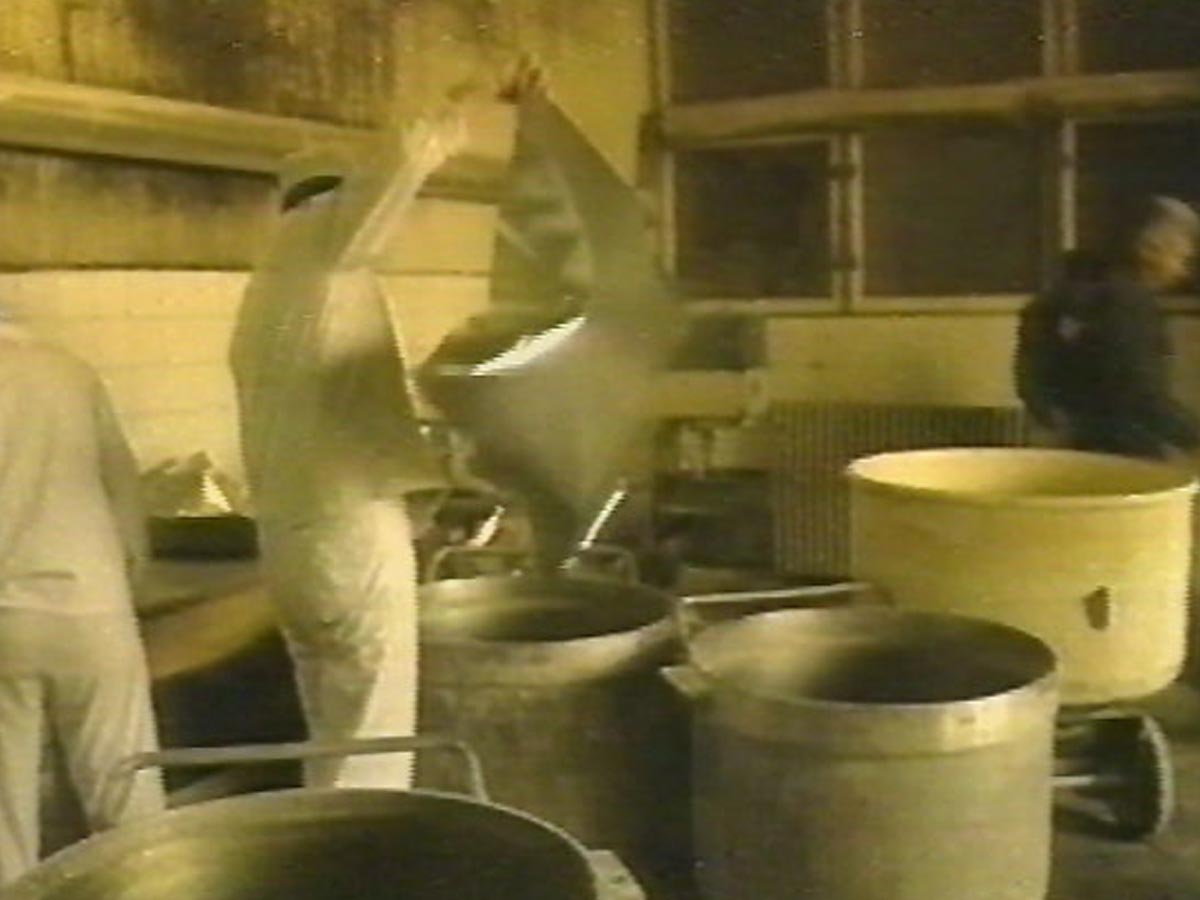
City Bakery, Sarajevo 1992-1996 © FAMA Collection - Visual Archives 1992-1996
I was a soldier.
I worked in a photo and optical store, it was mostly taking care of the shop, not working, because people mostly spent their money on food.
I worked for the Army, processing the pieces that would later make up a grenade.
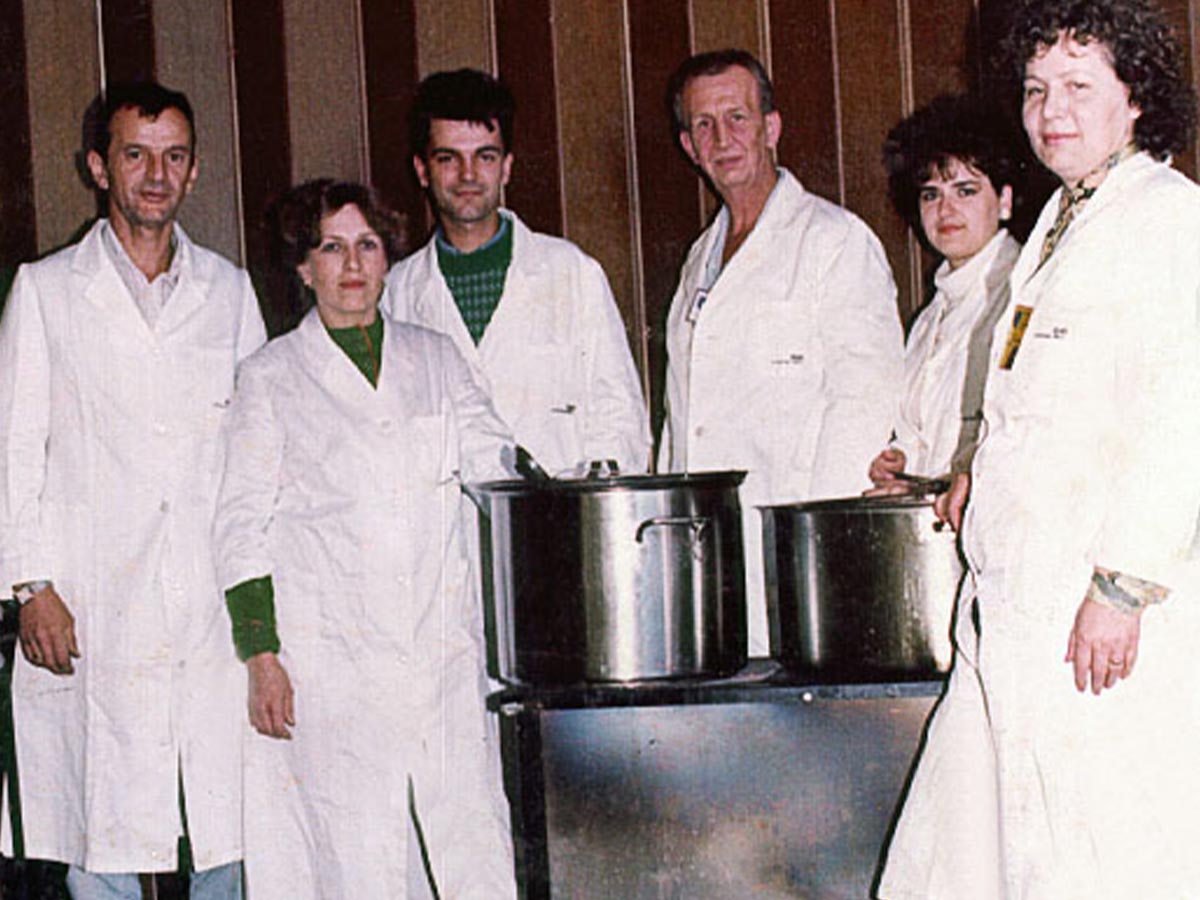
Soup kitchen, Sarajevo 1992-1996 © FAMA Collection - Visual Archives 1992-1996
I worked as a designer and at the same time a tailor in the company "Kras", where we sewed uniforms for the army.
I worked as the chief warehouseman for humanitarian aid at Magros.
I worked as a nurse in the intensive care unit.
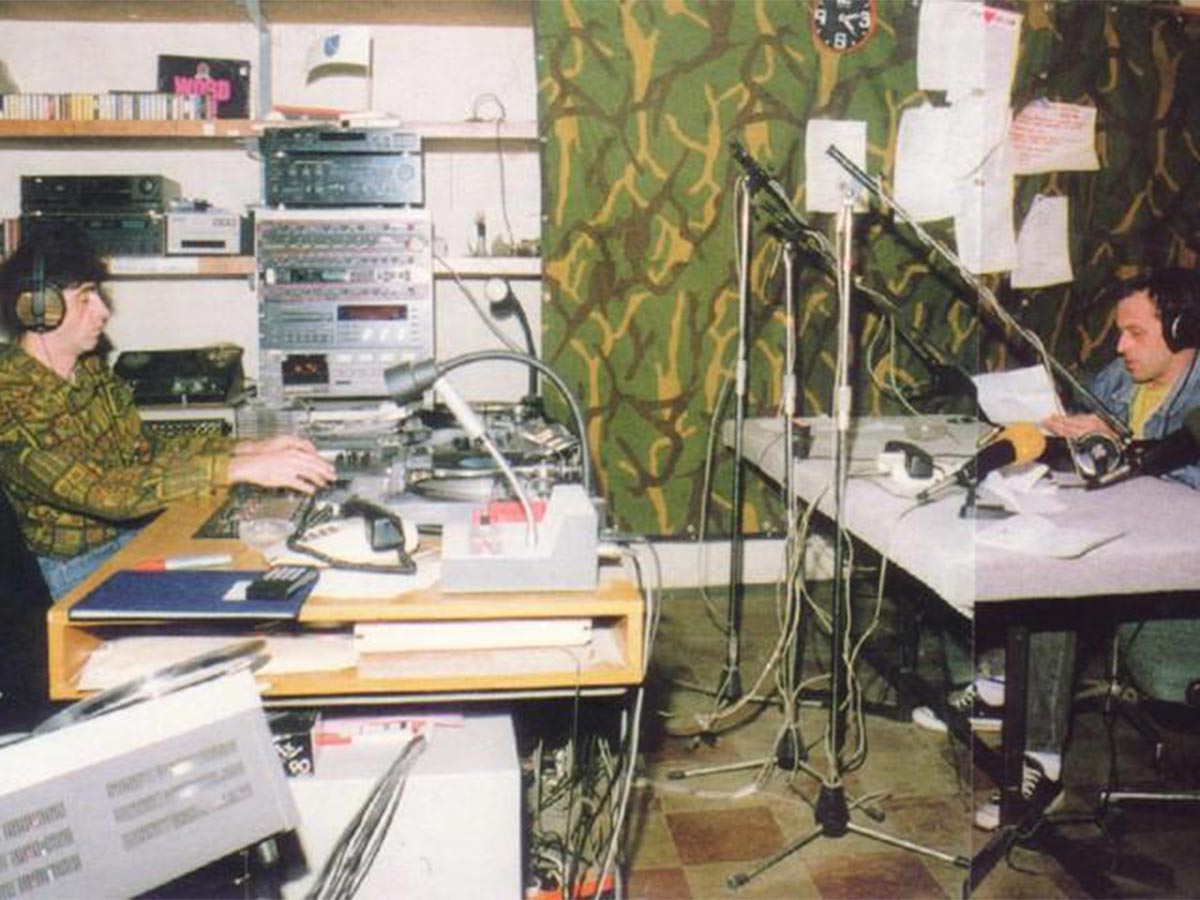
Radio station, Sarajevo 1992-1996 © FAMA Collection - Visual Archives 1992-1996 (Željko Puljić)
I was a judge.
I worked as a teacher (I still do), in very difficult conditions, in basements, in cold rooms, and what's worst, the children were terribly scared.
Watch duty at the entrance of the building.
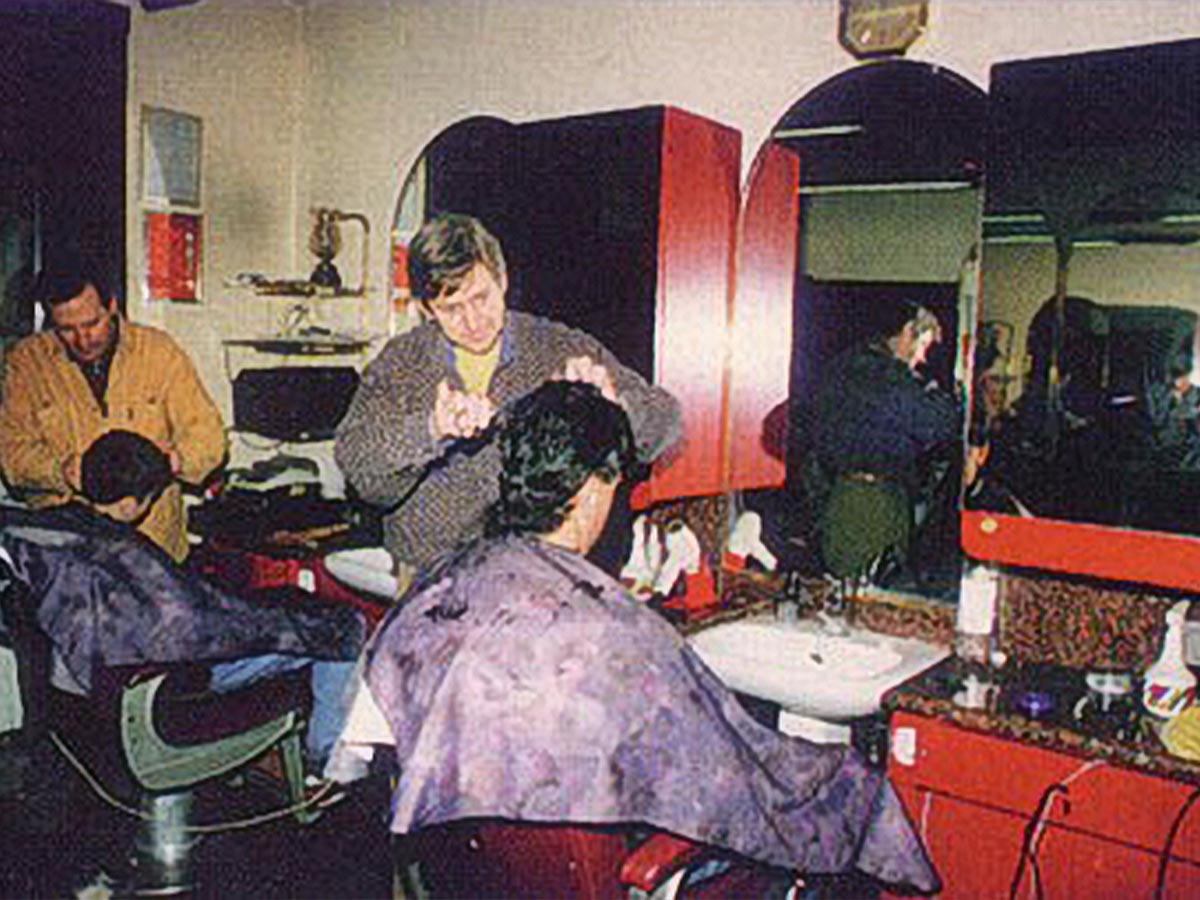
Hair salon, Sarajevo 1992-1996 © FAMA Collection - Visual Archives 1992-1996 (Željko Puljić)
I work as a salesman in Elektrotehna. We didn't work during the first year of the war, but we did afterwards. It's a store that sells chandeliers, glasses, dishes, household appliances...
I had a work obligation because I worked in Elektroprivreda as an electrician (I worked in the field most of the time).
I had no work duty.
This anthropological study Resilience in the form of surveys, a redesign of the famous American magazine "LIFE" (which dealt with research and documentation of the new, unknown and, above all, sociologically important for the world as a whole), was made during 1995, during the siege of Sarajevo. Intellectuals and artists of the city under siege answered the eternal questions of good and evil, hope and death, love and survival in difficult times. Their answers represent hope for humanity and a special study on the mental health of individuals exposed to years of terror. Redesigned in the spirit of the original American magazine "LIFE", "Sarajevo LIFE Magazine" presents an anthropological and cultural study of individual resistance and survival under siege. 87 Sarajevo artists, academics, musicians, architects, writers and actors responded through fashion, theatre, art, design and literature to universal humanist questions about life under siege. The magazine is at the same time a study of how creativity and innovation have become tools for building resistance under impossible circumstances, in which the abnormal has become normal. In this chapter, we present some of the statements about everyday life and the working day of respondents from "Sarajevo LIFE Magazine".
Waking up at 6:00, getting ready for work. Rehearsals from 9:00-13:00. Home, lunch. Practice until 19:00. Dinner. Reading and practice until 23:00.
I work a lot, it saves me from going insane.
Every day begins with waking up. Between meetings with writers and publishing new books, everything goes on as if it's not work but life itself.
I'm short on time, even though I work from dawn to dusk.
I get up, hitchhike, office, cafe, curfew, wash my long blonde hair, curl and dry my hair in the oven, sleep. I get up...
"Through three years of war, ‘92 – ‘95, because I live on Alipašino Polje and worked in town, on Tito Street, 10 km, I had to do the journey every day in both directions. There was no public transport and so I usually hitchhiked. Of course, I often had to do the journey on foot but hitchhiking was the most usual way to work and home again. There were various ways of stopping people but I had my own way and tactics. Time of stopping, place to stand and of course whom to stop. During the whole war the UN cars never stopped and that only left private cars and not many of them and of course a few lorries that went such as the Company Rad ones. To stop private cars I always stood by myself, somewhere nobody else was standing, for bigger chances." - Lejla Hasanbegović, International Theatre and Film Festival MES
© FAMA Collection; Oral History: 'The Siege of Sarajevo 1992-1996'
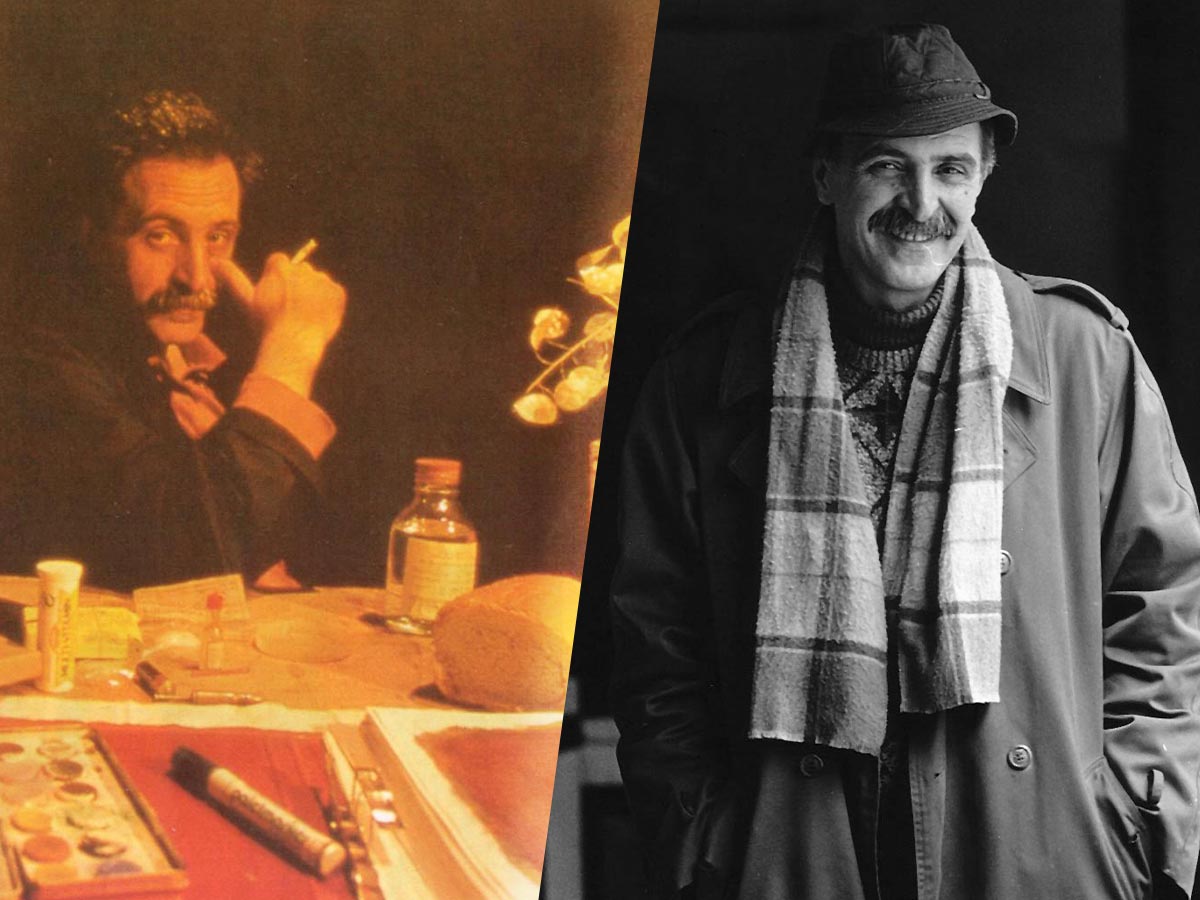
Edin Numankadić, the artist and his work, © FAMA Collection - Photo Archive 1992-1996
FAMA Collection, Sarajevo “LIFE” Magazine © FAMA Collection - Visual Archives 1992-1996 (Milomir Kovačević)
My workday is about getting to know life.
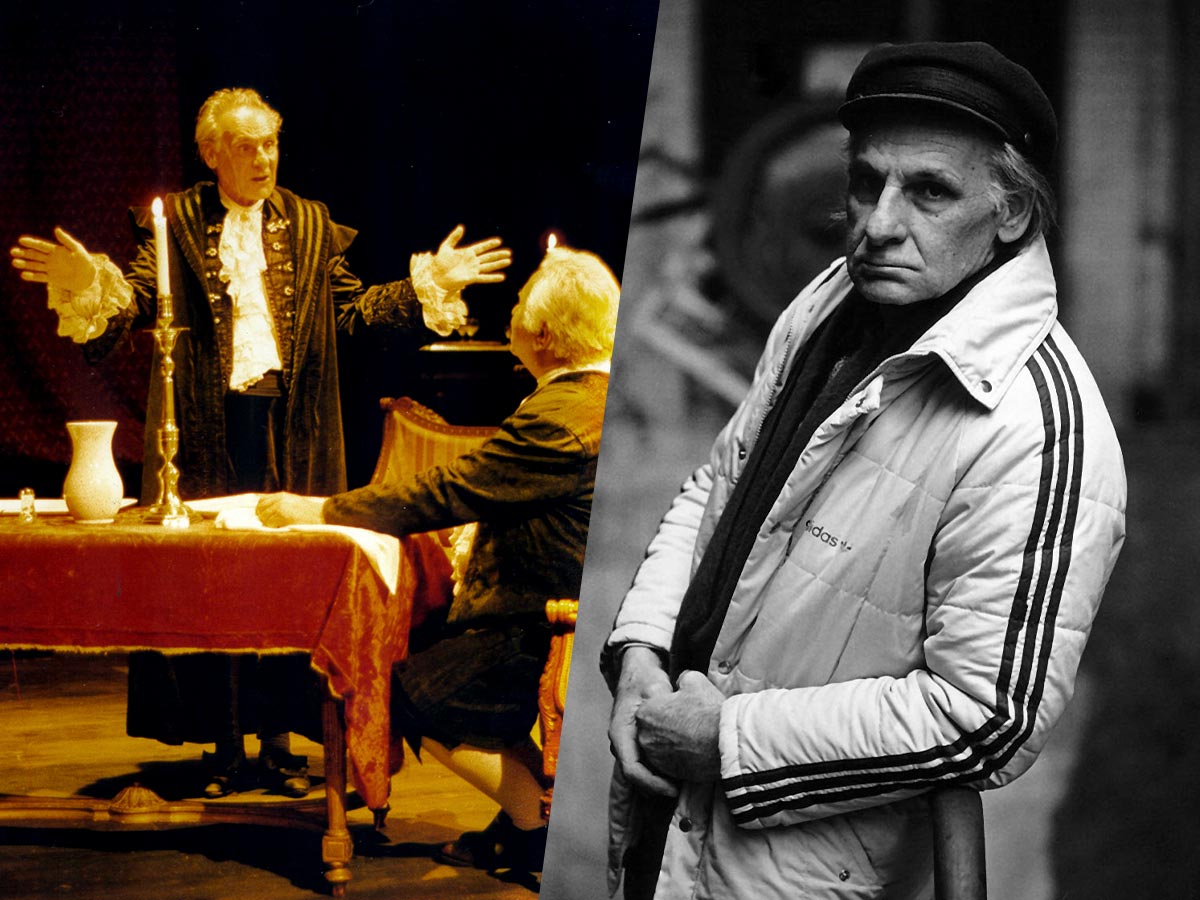
Vladimir Jokanović, "Moliere", theatre performance during the siege of Sarajevo, © FAMA Collection - Photo Archive 1992-1996 FAMA Collection, Sarajevo “LIFE” Magazine © FAMA Collection - Visual Archives 1992-1996 (Milomir Kovačević)
Rehearsals, performances, reflection, learning texts.
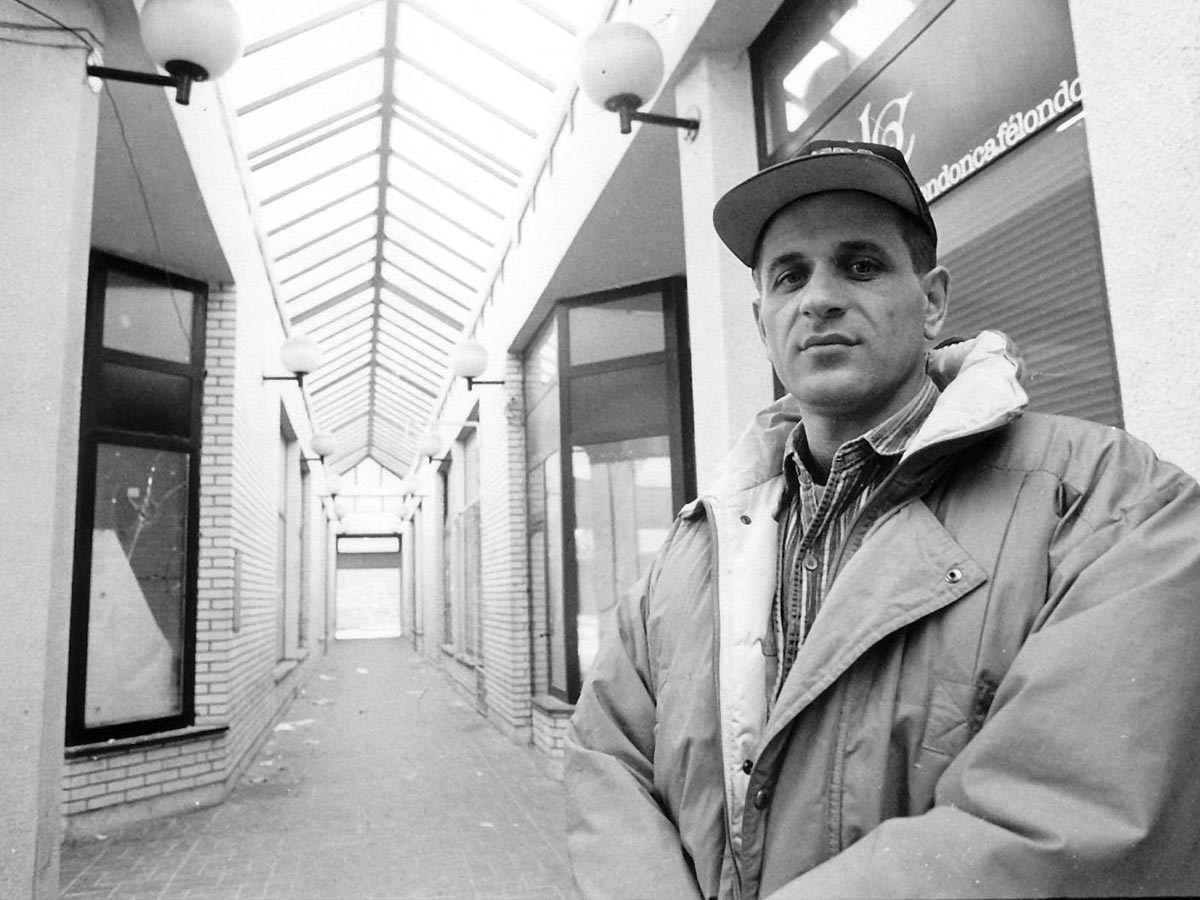
FAMA Collection, Sarajevo “LIFE” Magazine © FAMA Collection - Visual Archives 1992-1996 (Milomir Kovačević)
I'm always working, even when I'm in a cafe or in the theatre or on the street. And I'm a father even in my dreams, so it's part of my day and work.
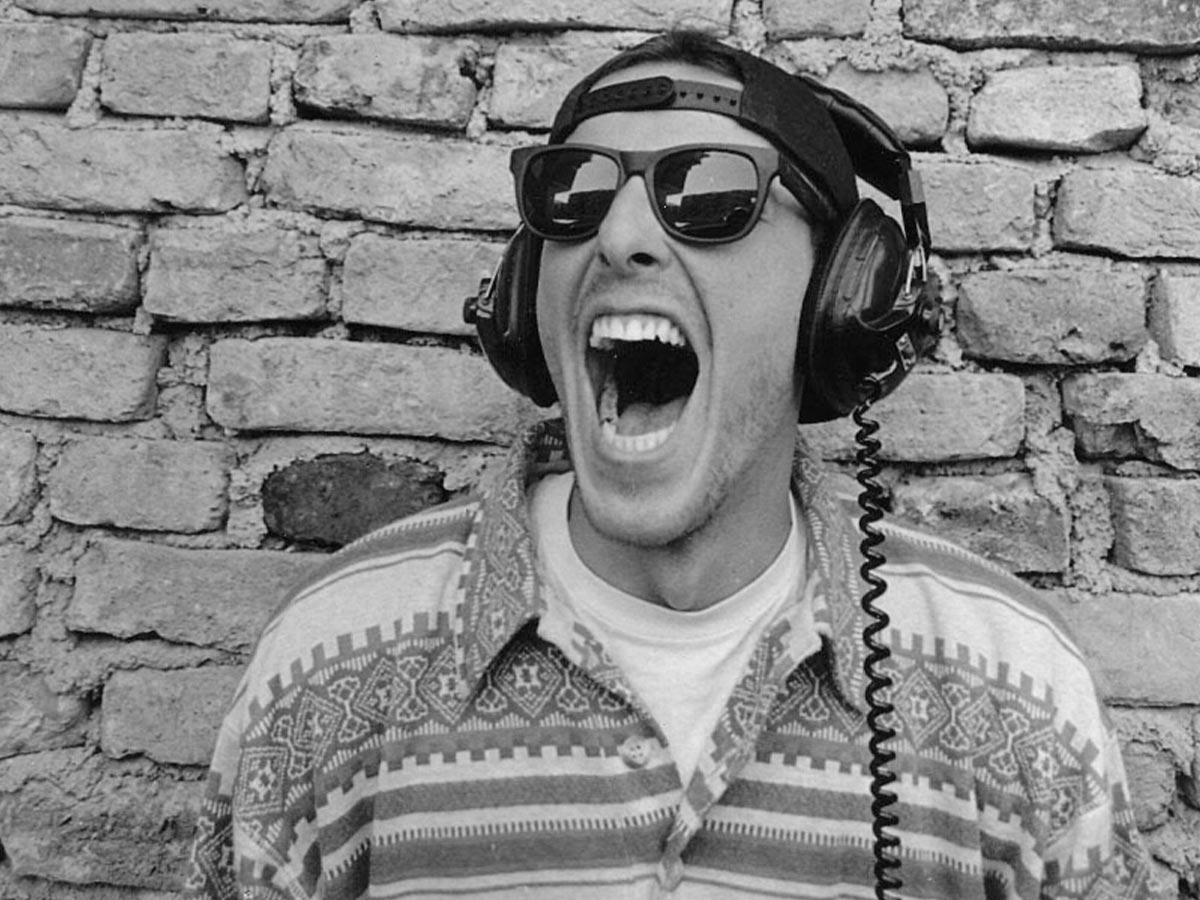
FAMA Collection, Sarajevo “LIFE” Magazine © FAMA Collection - Visual Archives 1992-1996 (Milomir Kovačević)
The morning starts at 8:00, first coffee, shaving and cigarette, going to the university, drawing, radio!
"No one knew when the night program would be. Would it be tonight, tomorrow night, or in a month, or twice a week. It was never very frequent because we didn’t have enough electricity. At a moment’s notice you’d leave everything in your life. That means if you were at home or if you were in town, you’d leave everything and go to the radio station. Not only me but also everyone. It was a kind of emptying, something fine, absorbing. We sat and worked. It happened to me once that I worked from 7 in the evening when the electricity came, until 7 in the morning, literally worked without a break. I didn’t eat anything, just drank some stale water, and we didn’t manage to play even one song, didn’t manage to broadcast 30 seconds of music - we just talked. Talked to the people. We felt the need for it." - Adi Sarajlić, Journalist
© FAMA Collection; Oral History: 'The Siege of Sarajevo 1992-1996'
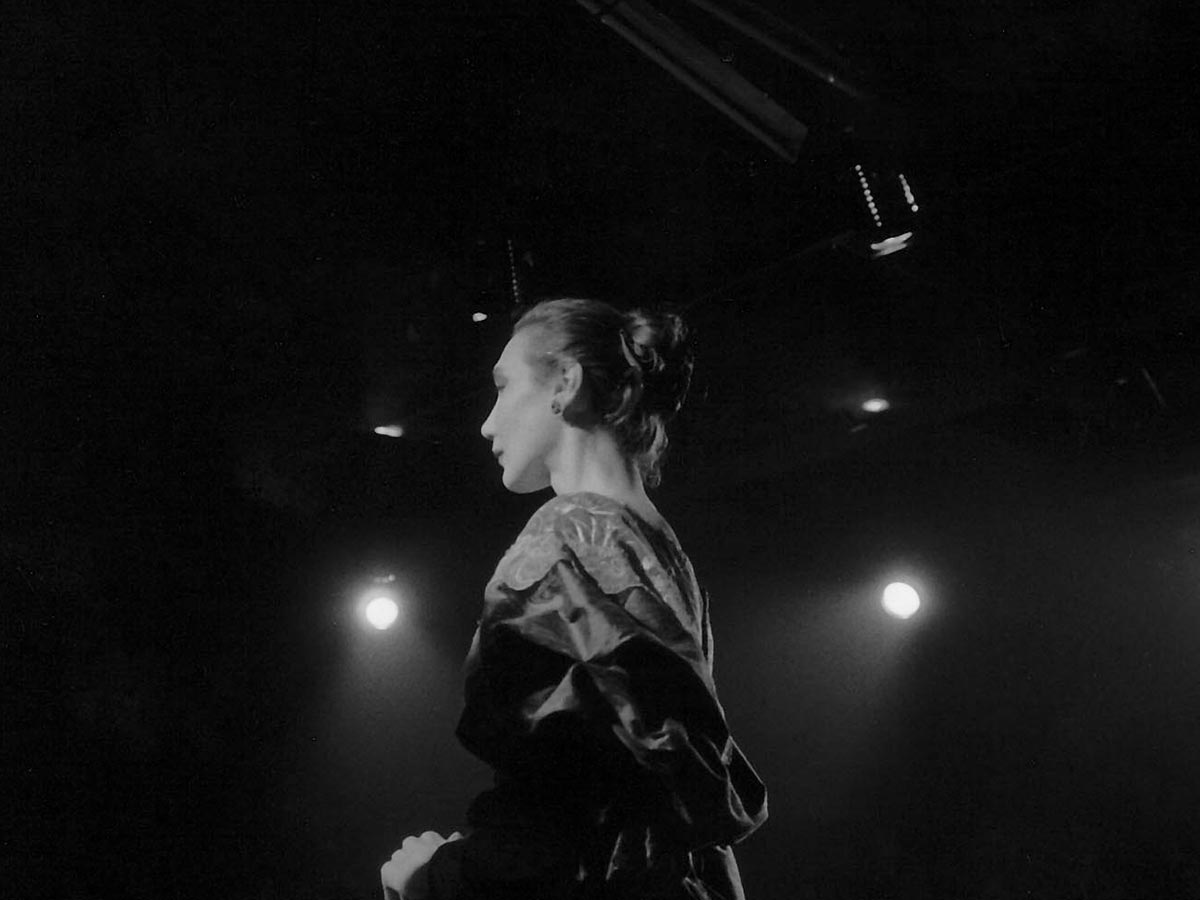
© FAMA Collection - Visual Archives 1992-1996
I work, therefore I am alive.
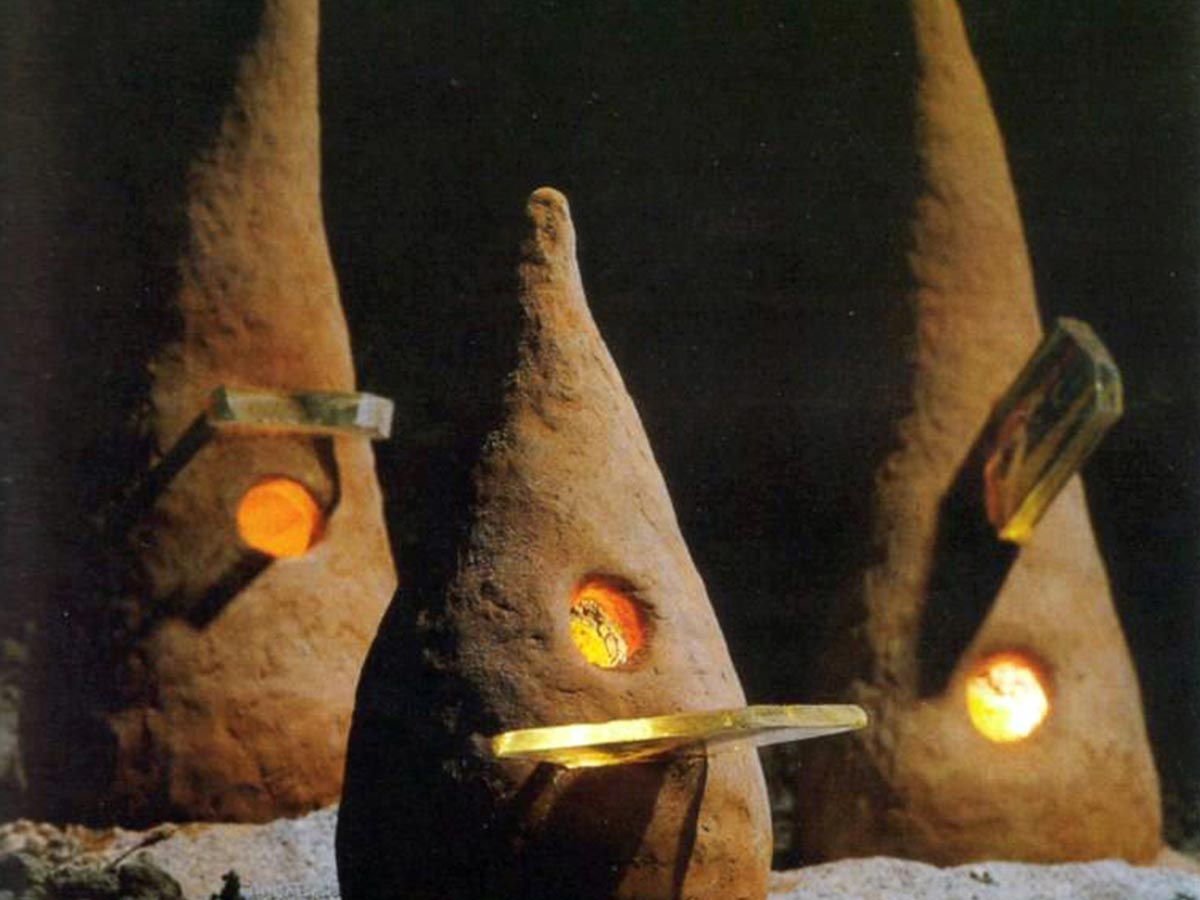
Survival Art Museum ’94 – ‘Tomb’ exhibition (Author: Mustafa Skopljak)
© FAMA Collection - Visual Archives 1992-1996 (Drago Resner)
Morning coffee with friends; working with students if there is no shelling; in the afternoon I paint or work on sculptures when there is electricity; in the evening I wander with friends if I can find them; I sleep during the long and dark Sarajevo nights, listening to the shooting from the hills.
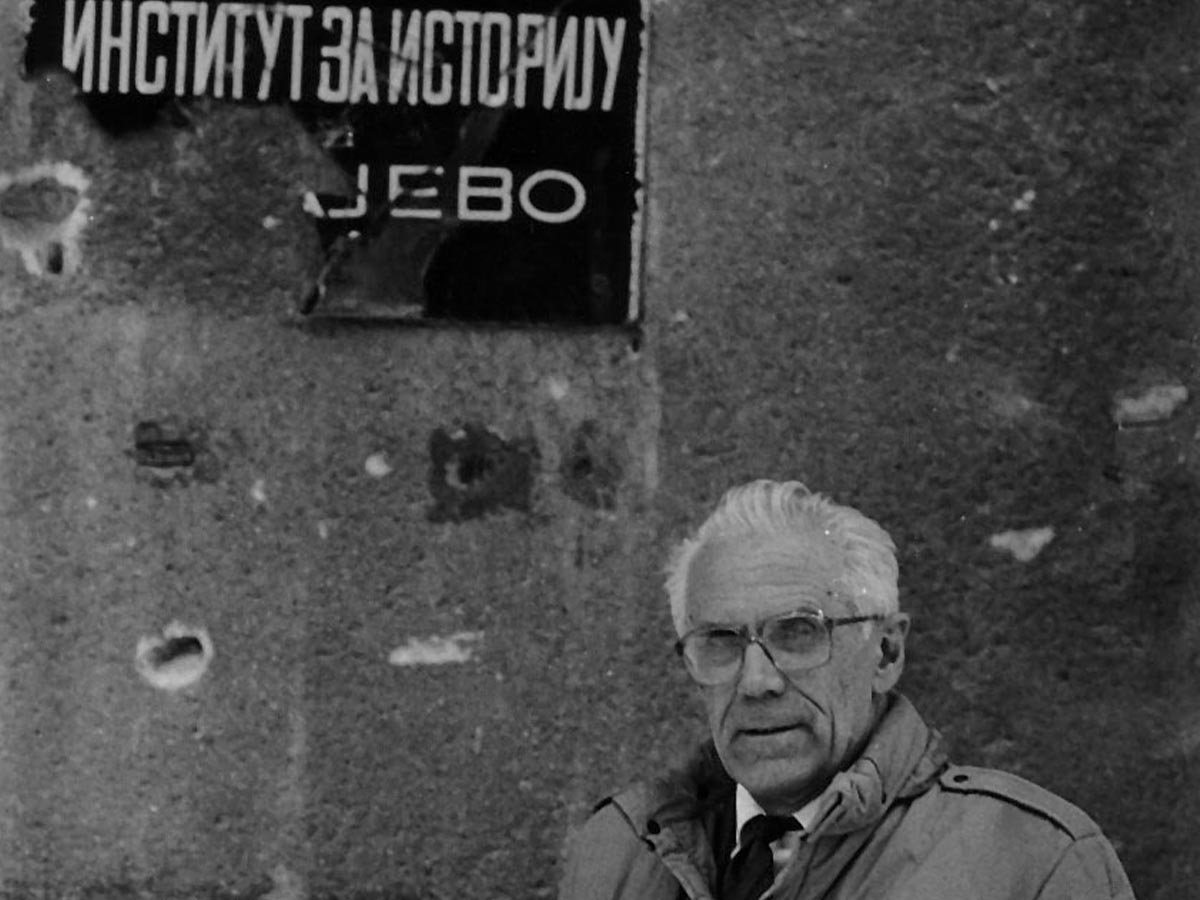
FAMA Collection, Sarajevo “LIFE” Magazine © FAMA Collection - Visual Archives 1992-1996 (Milomir Kovačević)
You can't have a work plan during war.
The world appeared from pieces. Every situation was new for all people. At all levels of survival, it was of fundamental importance to create a new reality. In cramped circumstances, everything had to be created anew: stove, school desk, birthday decorations, gardens, theatre performances... water. Everything had to start from the beginning. Work was both a mental and an existential law of survival. People were completely devoted to what they were doing, because if they allowed themselves to think about what was happening and which would constantly worry them, take away their energy and destroy their driving force, they would not be able to overcome the impossible.