


The Siege of Sarajevo 1992-1996
“It was a big event every time the water truck would arrive in our street”
Macro Story #32: New Normal

Macro story #32 explores the reality lived by the citizens of Sarajevo under siege. Their everyday life was marked by events that before the siege represented normal living conditions anywhere in the world: The arrival of electricity, water or gas in the street during the siege represented life-significant events for each individual, his family or even the entire neighbourhood. What the citizens of Sarajevo had to deal with during the siege were circumstances that were unimaginable before the siege, but became their new normal: distribution of humanitarian aid, shelling of the city, snipers, urban gardens, wounding, killing, cold, constant stress and fear...
In different parts of the city, people lived under different conditions. In 1996, we realized it was time to establish the big picture of life under siege by conducting a survey in ten different parts of the city. Therefore, we digitized 4,637 surveys for our digital platform and received an instant answer to each of the 31 questions from all survey participants. 4,637 responses are considered a significant sample, so frequent responses would be accepted as a conclusion on one topic. Thus, based on the responses in the surveys, we learned that many citizens of Sarajevo during the siege of the city considered the moments when they had water, electricity, and gas to be particularly significant events - moments that we take for granted in peacetime circumstances. The "new normal" meant accepting the newly created situation and life in abnormal conditions, which became normal.
Although we lived under siege, we were also observers of the phenomenon of the end of an urban civilization (which was Sarajevo at the end of the 20th century) and the establishment of a new civilization that resembled sci-fi movies and the contemporary documentary TV series "Life After People". Observing people who create from very limited resources, exposed to constant threat and various terrors, reduced to moving targets - is an important experience about human nature. We wanted to learn as much as possible about the possibilities of human nature and the mind, which operate freely despite all the limitations of the given situation. From our former life, we knew the American magazine "LIFE" and the statement of Henri Luca, its founder and owner, who in the twentieth century revealed hidden and unknown things to readers. This motivated us to present LIFE in our edition, placing it in the middle of the siege of Sarajevo, a city so isolated and distant from the rest of the world. Today it is an anthropological document about a difficult time and the human struggle to overcome the situation in which they found themselves instead of becoming its victims.
FAMA Methodology presents part of the statements of Sarajevo citizens from the study "Survival Questionnaire" and "Sarajevo LIFE Magazine".
Produced shortly after the war, the "Survival Questionnaire" was the first and remains the only major public opinion survey documenting daily life during the Siege of Sarajevo. Testimonies from 4,637 citizens across all city municipalities revealed a pattern of the difficulty of survival, ingenuity, and resilience. Comprising responses to 31 questions regarding daily routines, innovations, and mental endurance, the digitized surveys offer rare insight into the realities of basic survival. This study deepens our understanding of life under siege by correlating responses based on age, gender, profession, and location within the city. In this section of the Macro Story, we highlight statements from Sarajevo citizens from the questionnaire regarding the most significant events in their neighbourhoods during the siege, as well as events that held special personal significance for them.
Micro-District
number of respondents: 437 (9.42% of the total sample of 4,637)

© FAMA Collection; 'Survival Map (The Siege of Sarajevo 1992-1996)'
For me the introduction of gas in September 1994 was the most important event in the neighbourhood.
The birth of my son in January 1994.
Every arrival of humanitarian aid represented the most important event during the siege.
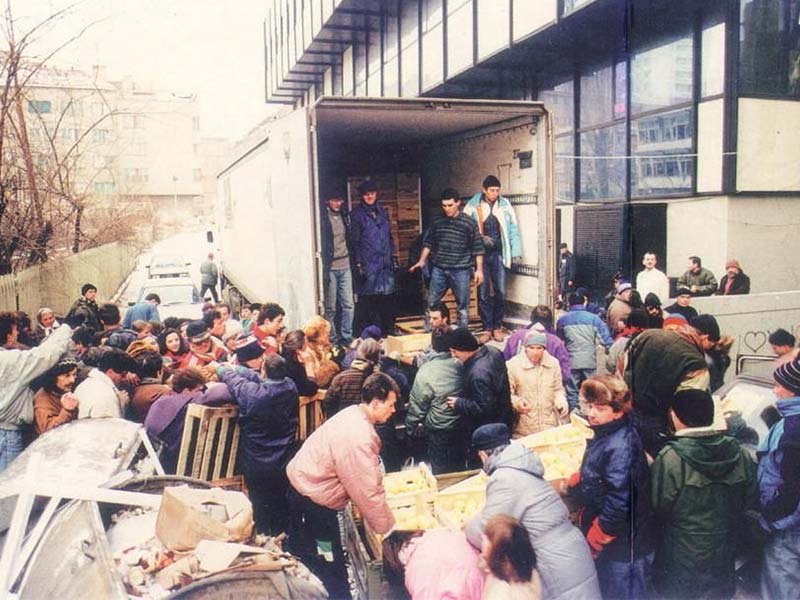
Distribution of humanitarian aid, Sarajevo 1992-1996 © FAMA Collection - Visual Archives (Željko Puljić)
When my car was stolen, that was the most important event.
The departure of my grandchildren by convoy was the most important experience during the siege.
Every time a water tank truck came into the street was an event.
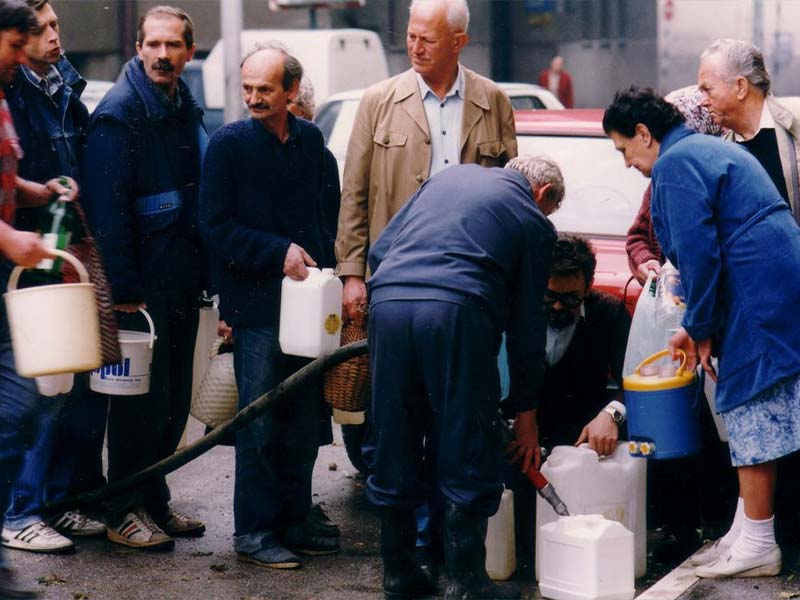
Filling the canisters with water, Sarajevo 1992-1996 © FAMA Collection - Visual Archives 1992-1996 (Željko Puljić)
The arrival of water in my home meant a lot to me.
The realization that, after two direct hits, no one in the flat was hurt, luckily. We were sitting in the kitchen when the grenade fell.
The arrival of electricity after more than a year.
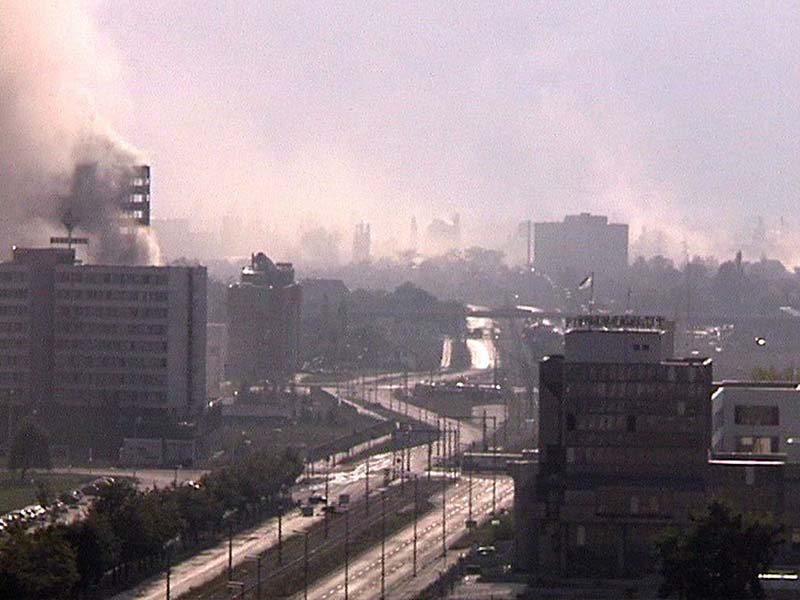
Shelling of Sarajevo, Sarajevo 1992-1996 © FAMA Collection - Visual Archives 1992-1996 (Željko Puljić)
The arrival of civilization, that is, water, gas, and electricity in the neighbourhood.
The arrival of peace and the return of my family from abroad I consider the most important events.
The arrival of peace and the fact that we survived.
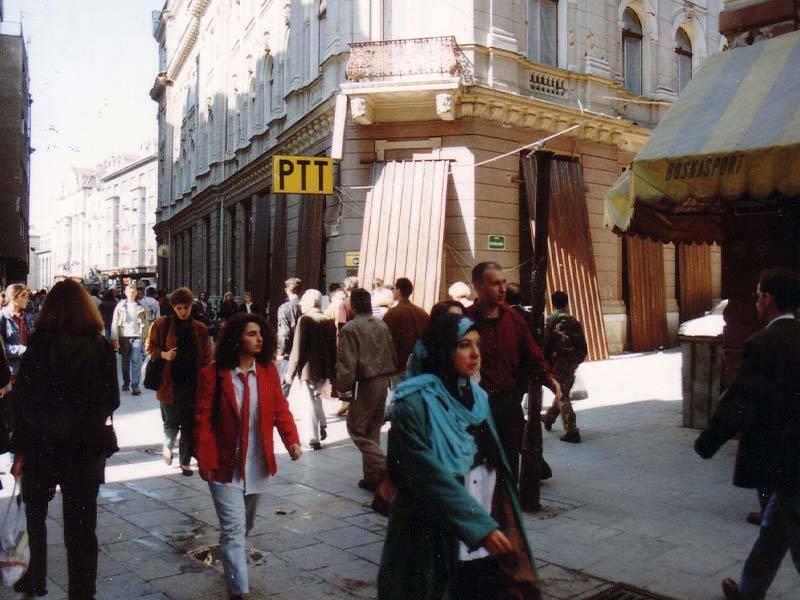
Life returns to the city, Sarajevo 1992-1996 © FAMA Collection - Visual Archives 1992-1996 (Drago Resner)
Receiving parcels at the Local Community Council for distribution to the people.
The rave party we organized.
The departure of my wife and son to safety, their relocation to Zagreb.
This anthropological study Resilience in the form of surveys, a redesign of the famous American magazine "LIFE" (which dealt with research and documentation of the new, unknown and, above all, sociologically important for the world as a whole), was made during 1995, during the siege of Sarajevo. Intellectuals and artists of the city under siege answered the eternal questions of good and evil, hope and death, love and survival in difficult times. Their answers represent hope for humanity and a special study on the mental health of individuals exposed to years of terror. Redesigned in the spirit of the original American magazine "LIFE", "Sarajevo LIFE Magazine" presents an anthropological and cultural study of individual resistance and survival under siege. 87 Sarajevo artists, academics, musicians, architects, writers and actors responded through fashion, theatre, art, design and literature to universal humanist questions about life under siege. The magazine is at the same time a study of how creativity and innovation have become tools for building resistance under impossible circumstances, in which the abnormal has become normal.
The New Normal meant both the evaluation of the old and the recognition of a new value system that was conditioned by the new and basic circumstances of living in a city under siege. In this chapter, we present some of the answers of public intellectuals from the "Sarajevo LIFE Magazine" to the question of what their lost illusions are. Respondents particularly emphasized disappointment in many friends and acquaintances, but also a lack of empathy and humanity.
That I will continue my previous life where it ended in April 1992.
The good nature of civilization.
A healthy society.
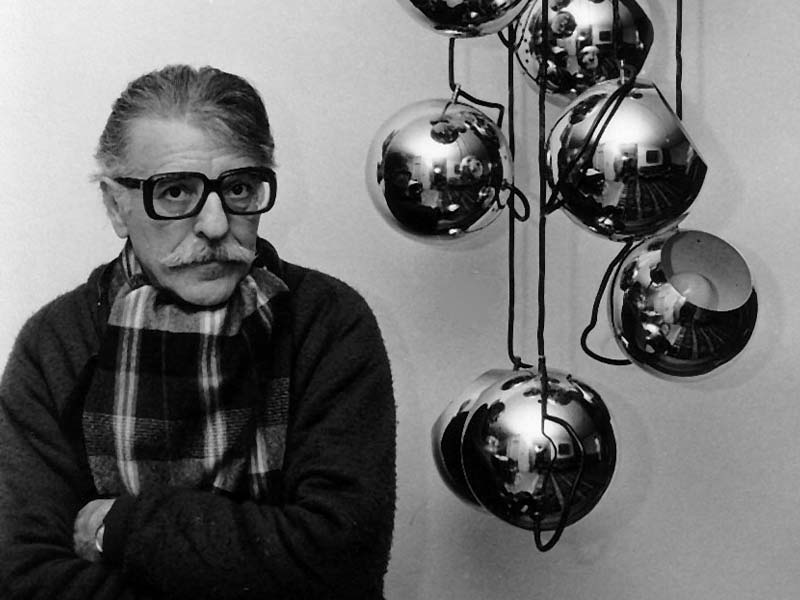
FAMA Collection, Sarajevo “LIFE” Magazine © FAMA Collection - Visual Archives 1992-1996 (Milomir Kovačević)
The friendships in which I invested a lot, and the war revealed how naive I was.
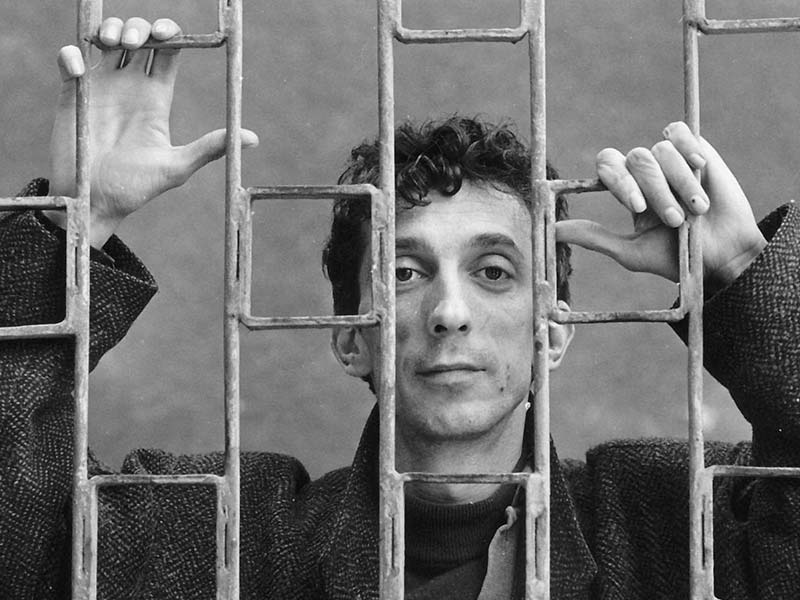
FAMA Collection, Sarajevo “LIFE” Magazine © FAMA Collection - Visual Archives 1992-1996 (Milomir Kovačević)
A better order of things in which the actor is the central figure of the play.
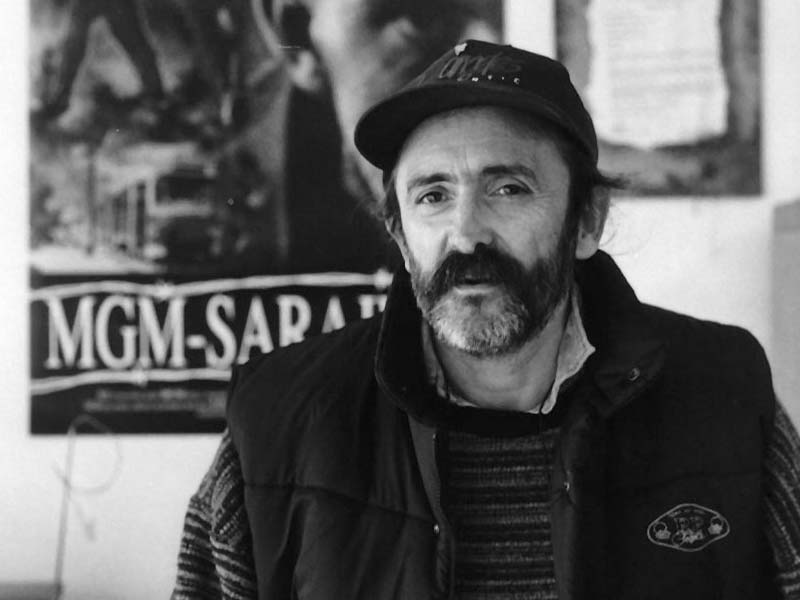
FAMA Collection, Sarajevo “LIFE” Magazine © FAMA Collection - Visual Archives 1992-1996 (Milomir Kovačević)
That ultimate justice exists.
Peace.
I thought that people have understood how wars were senseless and that they will simply never happen again. However, it happened to me, to us...
The illusion of the existence of a global human brotherhood.
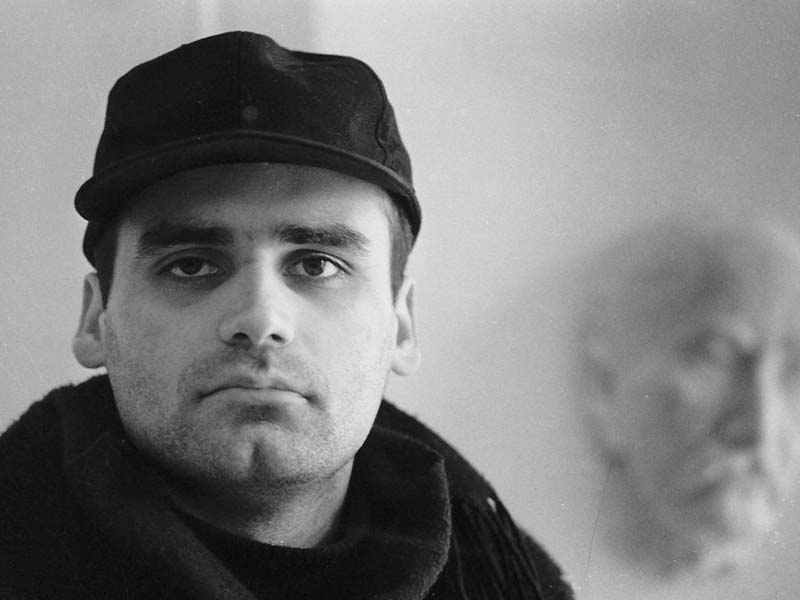
FAMA Collection, Sarajevo “LIFE” Magazine © FAMA Collection - Visual Archives 1992-1996 (Milomir Kovačević)
The illusions on humanism, and the conscience of humanity.
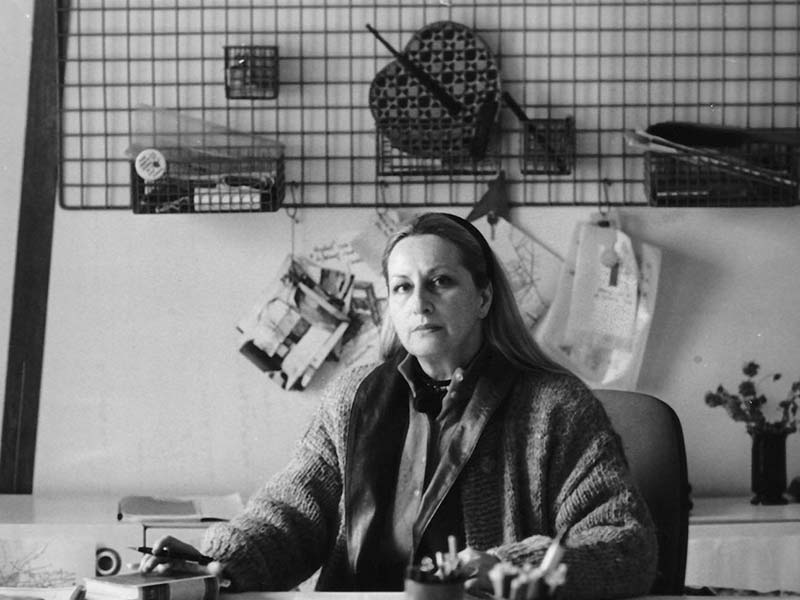
FAMA Collection, Sarajevo “LIFE” Magazine © FAMA Collection - Visual Archives 1992-1996 (Milomir Kovačević)
They taught me that I was a citizen of the world, but "they" closed me up in one city.
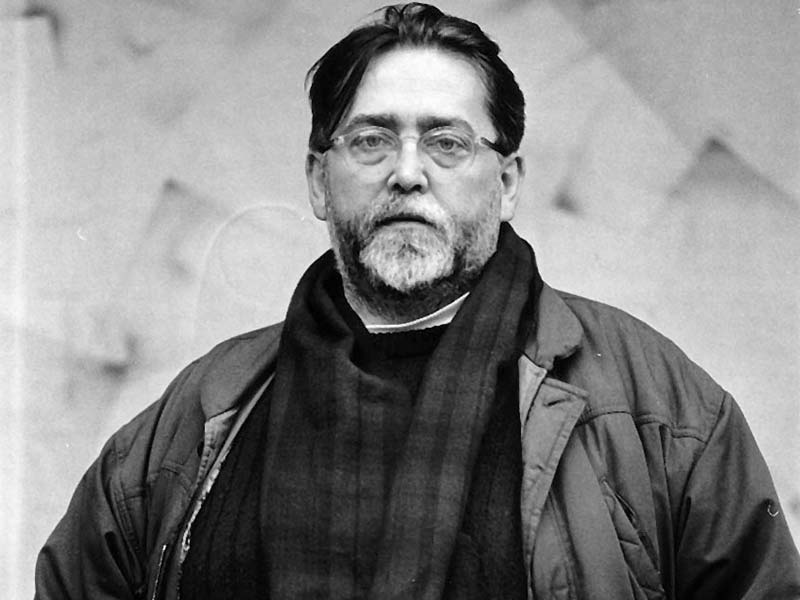
FAMA Collection, Sarajevo “LIFE” Magazine © FAMA Collection - Visual Archives 1992-1996 (Milomir Kovačević)
The ones about the goodness of the human kind.
Brotherhood and unity.
I thought that fascism had disappeared forever.
That a man cannot be anything else than a man.
Day after day, at every moment of their lives, the people of Sarajevo developed the capacity to make decisions under constant stress. The question of life and death was a permanent condition; life and death decisions were made at every moment of the day.
Decisions were made at the last minute. You could never be sure of anything.